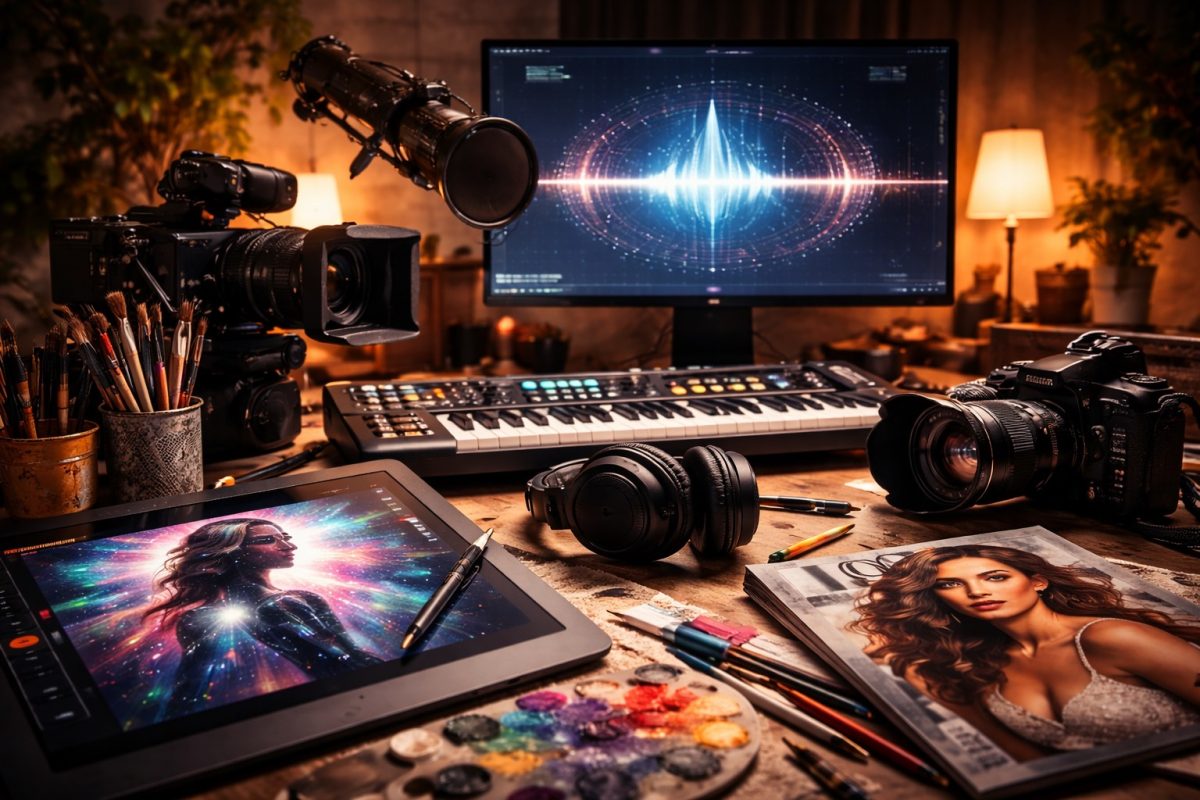
As powerful and influential as the music industry has been for decades, music—as well as other forms of art—is taking a hit as artificial intelligence continues to take over the creative industry. The rise of AI has created both excitement and fear; while it can be a useful musical tool, it can also be detrimental to the artists who dedicate their whole lives to their craft.
For years, the music industry has worked to build laws and systems that protect artists’ copyright and ensure they receive income for their work, and the use of AI puts these hard working artists in a very vulnerable position. But the sudden explosion of AI has created an enormous gray area in music production, songwriting, and publication.
These models are trained on massive collections of unlicensed data scraped from the internet and music platforms. This means they can mimic the style and sound of millions of artists, often without permission, and without paying those artists. The result is a vulnerable and unstable environment where the people who create music are not fully protected.
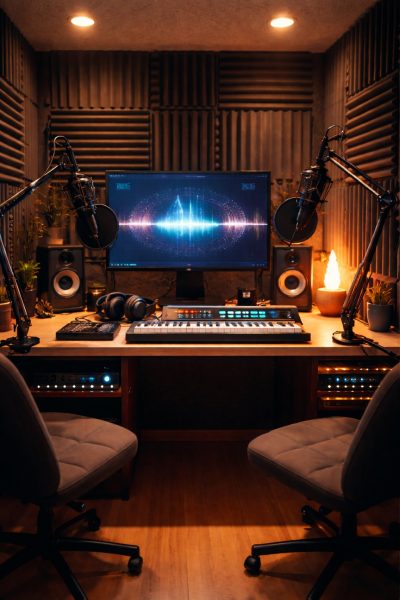
Yet AI isn’t only harming the industry; it’s also shaping mainstream music. Beyond major artists, AI music has flooded everyday platforms like TikTok. Many trending sounds today aren’t sung by real people; they’re created by AI models, often designed by developers. About a month ago, Telisha “Nikki” Jones wrote an album and had her AI persona, Xania Monet, be the vocals of the songs. By doing this, Jones gets to have control over her masters from the start and not have to worry about long battles for her music in the future.
This moment marked a huge shift in how AI can be used creatively. AI artists themselves, such as digital avatars created by tech companies, are also becoming popular. Their songs are produced entirely by algorithms or by teams of engineers, raising even more concern about whether real musicians will be replaced or pushed aside.
The question is no longer if AI will disrupt the music industry, but how much damage it will do, and whether it’s still possible to contain it. If creators want to protect their livelihoods, their rights, and the value of human creativity, they must act now. Without stronger laws and clear ethical standards, AI threatens to reshape the music world in ways that leave real artists behind.
AI Art:
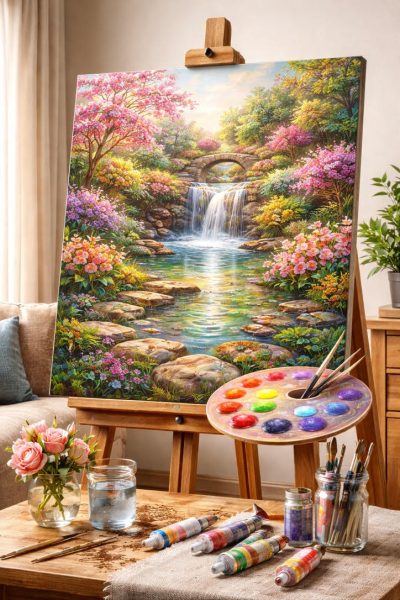
AI-generated art has long been debated in the art industry. Dating back centuries, art has been a form of human expression; what if that isn’t the case anymore? AI-generated art has greatly developed from silly prompts to AI autonomously creating their own “original designs.”
I say “original designs” because these machines have to be trained with data made by other artists. Data can include digital images, paintings, sculptures, music, and poetry; the most important about this fact is that these pieces are made by other REAL artists. Usually, these machines are trained without the permission or consent of the original artists, which causes controversy about whether AI-generated art is really its own.
So, AI-art has come with its legal and ethical challenges, but it has also caused difficulty in the markets and in what is deemed creative. It seems almost impossible to call AI creative when it generates images based on the data it has been given.
The use of AI changes how artistic creation is defined; originally, it was defined as: the expression or application of human creative skill and imagination. Now art can be generated by AI machines, but these are no longer applications of human creative skill or imagination. Yes, it takes inspiration from human work, but lacks the emotional understanding and interpretation that characterizes human art.
At the end of the day, AI can generate images, but these images just reflect patterns learned through extensive data and training. They mimic art that already exists without any specific significance or meaning.
AI MOVIES:
From another perspective, technology has always been essential in the film industry, but AI has transformed it enormously to the extent of possibilities that seemed “impossible.” Providing the opportunity to transfigure appearances and even providing the possibility to conduct clones in Hollywood’s biggest hits.
In Dune: Part Two, members of the Fremen are distinguished by their bright blue eyes, a result of constant exposure to the spice melange. Instead of using colored contact lenses, the production team digitally altered the actor’s eye color using visual effects and AI- AI-assisted tools. This allowed the filmmakers to maintain visual consistency while preserving natural expressions and eye movement, enhancing the realism of the fictional world.
On the other hand, AI was used in a much subtler way in the film, The Brualist. Helping actors sound more authentic rather than transforming how they look. Because much of the movie’s dialogue is in Hungarian, the directors turned to an AI tool called Respeecher to refine the Hungarian pronunciation of Adrien Brody and Felicity Jones.
What began as something so simple as an alteration to a performer’s appearance, such as the actors’ eye color, has now altered into
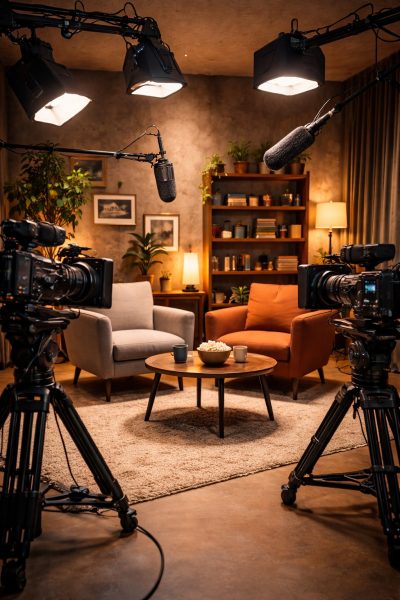
something more ambitious.
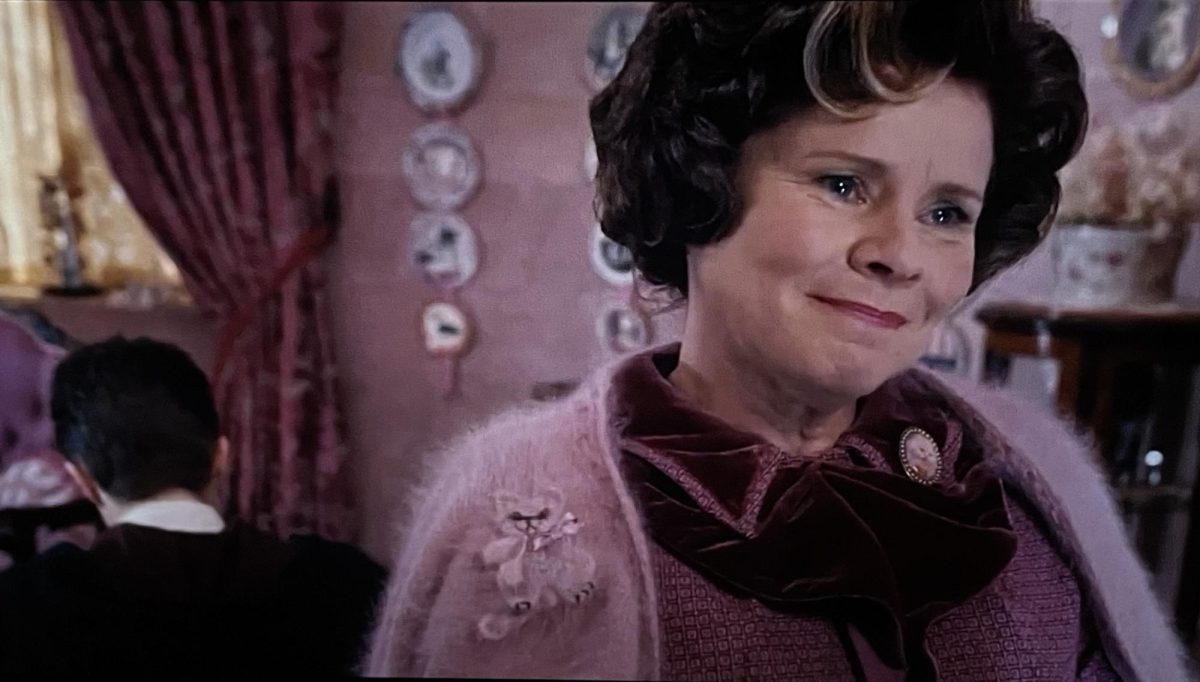
AI is not only now being utilized to assist actors’ features, but is now officially on screen as performers. Hollywood is now entering a new era. Tilly Norwood, the future of Hollywood, an upcoming actress with a bright future, only she isn’t human, she’s the first AI actress in the world created by UK Particle6 Studios AI department Xicoia. Norwood was created to help studios reduce production costs while still being able to maintain professionalism. However, she isn’t just an AI tool; she is categorized as an “actress.”
Norwood’s production received a significant amount of backlash, splitting Hollywood due to the controversy. Many actors and critics believe that acting needs emotions, the humanity overall, especially when speaking in terms of movies, where all of these factors are not wanted but needed. Concerns about the replacement of AI in the work of these actors have sparked panic.
Famous actress, Emily Blunt, stated in a Variety podcast her opinion on Norwood’s existence, “Good Lord, we’re screwed. That is really, really scary. Come on, agencies, don’t do that. Please stop. Please stop taking away our human connection.”
Behind the mastermind of the existence of an AI actress is Eline Van der Velden. Velden has defended her project as an exploration beyond the creativity of AI.
Although Norwood is now being commercialized as “Hollywood’s future,” she represents a perturbing pivot point in society. If Hollywood is now accepting a digital actress in their industry, does this mean that there’s going to be more from now on? Not only are actors having their jobs jeopardized, but now creating unnecessary pressure competing against a machine that never sleeps, nor eats. The rise of Norwood is not just a warning but is the beginning of AI performers stepping up into the industry.
AI MODELING + MAGAZINES:
While AI has continued to evolve, it has begun to impact popular creative industries, including modeling and magazines. AI models have started to appear in magazines, most notably in a controversial Guess advertisement in Vogue’s August 2025 issue, featuring AI-generated models named Vivienne and Anastasia.
At first glance, many viewers didn’t notice anything unusual about the appearance of the featured models; an image of a woman with wavy blonde hair, airbrushed makeup, and a perky smile with pearly white teeth, wearing a long striped dress with a matching bag. In the other image, she models a floral suit with a matching bottom set.
Vogue magazines are internationally known as the “fashion bible,” known for defining style, showcasing high fashion couture, high-quality photography, and influential trendsetting. Vogue sets the standard for style and celebrates beauty, culture, and entertainment.
With the strong fan base Vogue has built from young teens to models, many were disappointed and shocked to see the tiny lettering on the page reading, “Generated using Artificial Intelligence”
The redundant addition of AI models sparked immense controversy and debate about beauty standards, the future of modeling, and the authenticity of the fashion industry. While Vogue had made a public statement clarifying the use of the artificially generated models to be an advertisement, some readers have taken their own stance against the addition of AI by canceling subscriptions over the unrealistic beauty standards and inauthenticity it promotes.
The Arcade’s Take On: Artificial Intelligence in Creative Industries
We, The Arcade team stand against artificial intelligence (AI) and the overflowing use of it in creative industries. While we believe that AI can be used responsibly in certain matters, such as in research and organizing educational resources, it stands in no place of overtaking human creativity.
As we continue to grow alongside a technologically advanced society, we fear for the future of AI and the overtake of natural intelligence it promotes. Creative industries are designated for individuals to express themselves and contribute their natural talents. Allowing AI to have a dominant position in the creative industry removes opportunities for deserving individuals, who have put their hard work and time into making something they love.