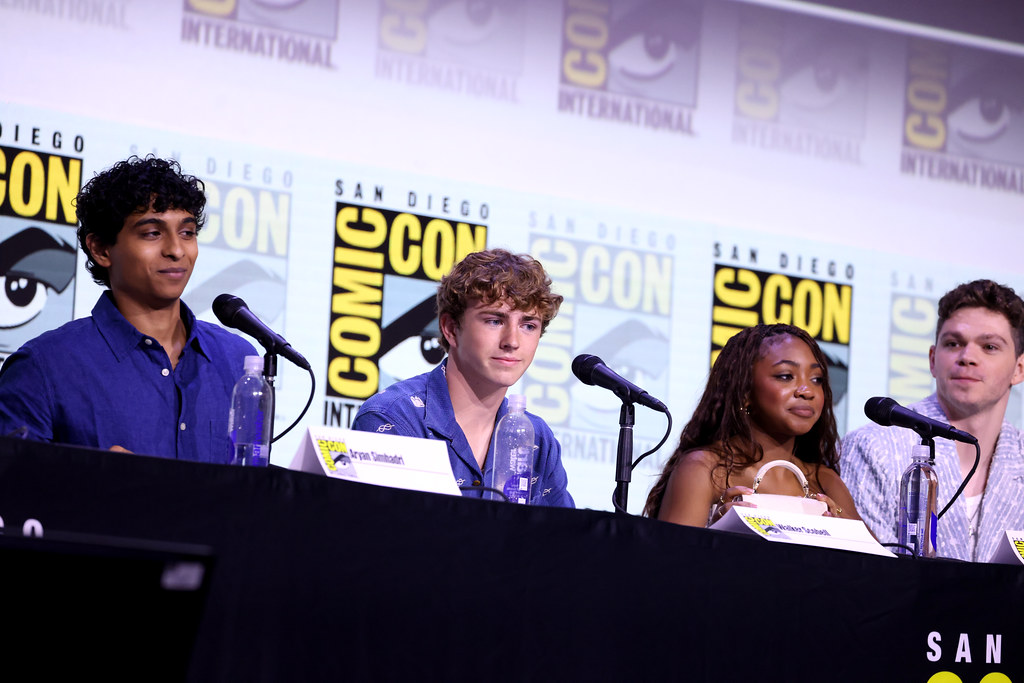
A single popular scene is all it takes for young actors to become celebrities, but what if that fame ends up endangering them and those around them?
Many young celebrities might not be aware of the burden fame brings to them; some might not even be aware that everything they do will be reported, shared, and recorded throughout social media. Although that doesn’t make them any less in need of protection from harmful fans who wish to keep actors to themselves.
An SAS Freshman, Jayden Prell, explains, “ When I am on social media, I can definitely see on actors post when people are commenting [and it’s] just really hateful things.” Although it isn’t uncommon for actors to get criticism for their roles, it leads to wondering how these children and teens have to deal with different types of online bullying at such an early age.
The job of protection usually goes to parents/guardians who are supposed to regulate social media apps. Some social media platforms, such as instagram even allow parents access the accounts of children under 17, hide comments, and restrict videos/accounts.
Prell emphasizes “I just feel that if parents had more control over their child’s social life, then they could be more aware of the situation their child can be in.”
Despite the support kids can get from their guardians, these children can decide to take action on their own. An example is seen with actor Walker Scobell, who plays Perseus Jackson in the “Percy Jackson and the Olympians” series.
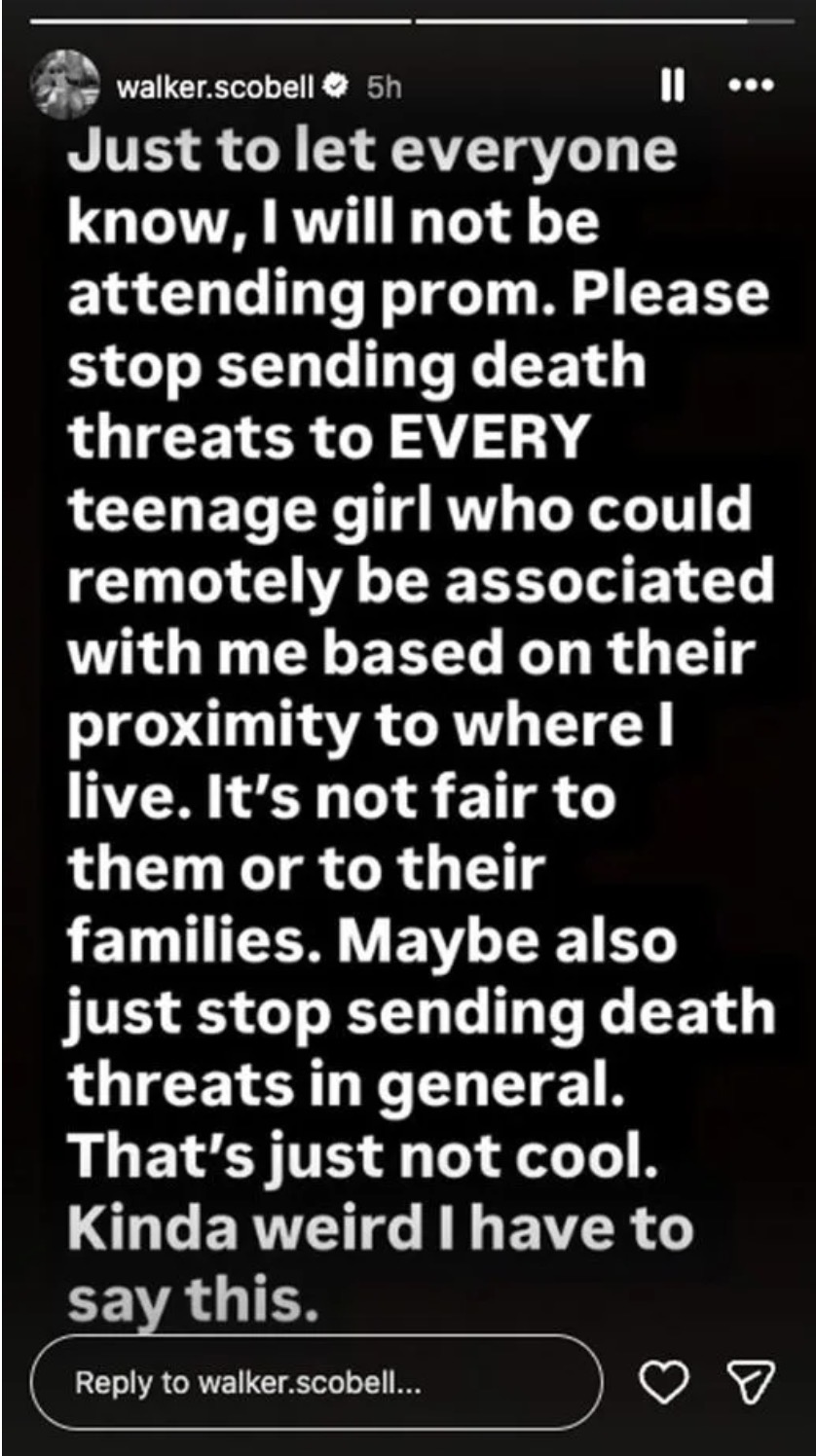
After various death threats to a girl close to him who was thought to be his prom date, Walker decided to take action against the harassment himself. SAS Junior, Isabelle Allen insists, “If people find something out by searching, it shouldn’t be talked about because in the end it is the actor’s personal life.”
On April 12, 2026, the 17-year-old actor posted an Instagram story stating, “Just to let everyone know, I will not be attending prom. Please stop sending death threats to EVERY teenage girl who could remotely be associated with me based on their proximity to where I live.” He adds, “It’s not fair to them or their families. Maybe also just stop sending death threats in general. That’s just not cool. Kinda weird I have to say this.”
Walker decided to give up a memorable night to prevent any incidents because of these fans, but he has the right to a private life. Allen argues that, “I would be so devastated because you only get one prom in your entire life, and other people ruining that for you because of your personal life is so messed up.” Prom, which is one of the most highly regarded events as a senior, is being taken away from Walker, and he took on the responsibility to defend himself.
This isn’t the first time this has happened, though. In June 2018, fourteen-year-old Millie Bobby Brown left Twitter (now known as X) because of intense cyberbullying. After being a part of homophobic stories, cruel hashtags, and memes, the young actress decided it would be better to deactivate her account.
Sophomore HGM student, Perri Gordon, emphasizes that if she were in that position, “I think I would do my best to block out the hate, and I would try to surround myself with people who support me, but I’m sure at times I wouldn’t be able to resist checking social media that could be hurtful.” The bullying was so severe, in fact, that Brown to this day remains off the platform and focuses on uploading content on other apps such as Instagram and TikTok.
The fact that this type of action was taken by the young actors themselves raises concerns about the lack of security from companies to ensure the safety of their actors. But the company isn’t the only one to blame. After all, the fans who bully, threaten, and obsess over young celebrities not only take away their peace but also their childhood experiences.