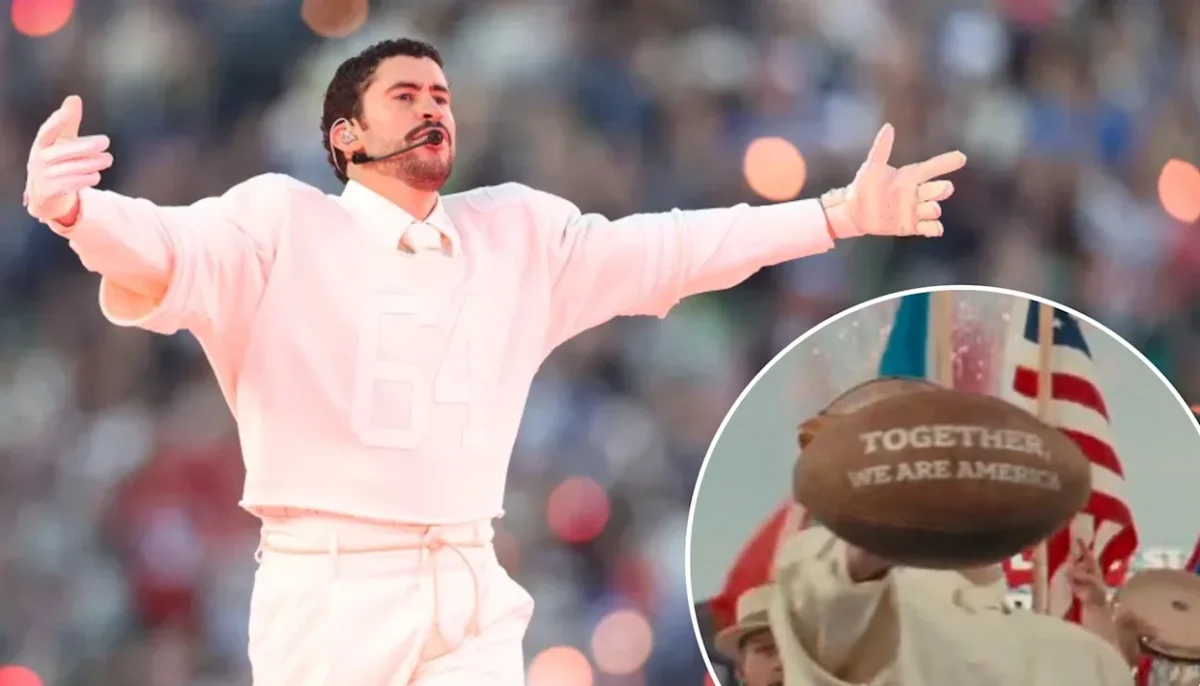
On Feb. 8th, millions of Americans gathered with family and friends for the United States’ most anticipated sporting event of the year: the Super Bowl. Named an unofficial holiday, the Super Bowl calls for a day to spend time partying, cheering for favorite teams, and of course, enjoying the renowned halftime show.
Although the Seattle victory against the Massachusetts-based New England Patriots sparked massive celebration among Seahawks fans, the highlight of the Super Bowl this year seemed to be the halftime show. With Puerto Rican rapper and singer Bad Bunny headlining the event — making history as the “first predominantly Spanish-language artist” to do so, according to USA TODAY — the Super Bowl suddenly became a statement of not only national spirit, but also cultural diversity.
“[Bad Bunny] continues to center immigrant narratives in his performances… and that demonstrates how Latino and Hispanic culture is still, in one way or another, woven into this American fabric,” says STEM senior Diana Araujo. “Realistically, like he said, we are still here despite previous years of continuous [oppression].” Having a Latin artist as a musical representative of the American people was a major step for the Spanish-speaking population.
What made this moment especially meaningful was Bad Bunny’s status as a Puerto Rican; he is someone with an anchor to both U.S. citizenship and Hispanic heritage.
Mrs. Garcia, the leadership advisor here at North Hollywood High School (NHHS), claimed to have watched the Halftime Show 30 times for its brilliance in representation and praised Bad Bunny’s efforts to call attention to all people living in the Americas. “It’s very sad, the situation that [Puerto Ricans] have. [Bad Bunny’s representation as a Puerto Rican helps show] the oppression and the suffering that they still carry. Even though they are citizens, they are still not considered or treated as citizens,” she states. “People need to see the reality that America is a whole continent, and so I like the fact that he included Canada all the way to Argentina; that is America, period.”
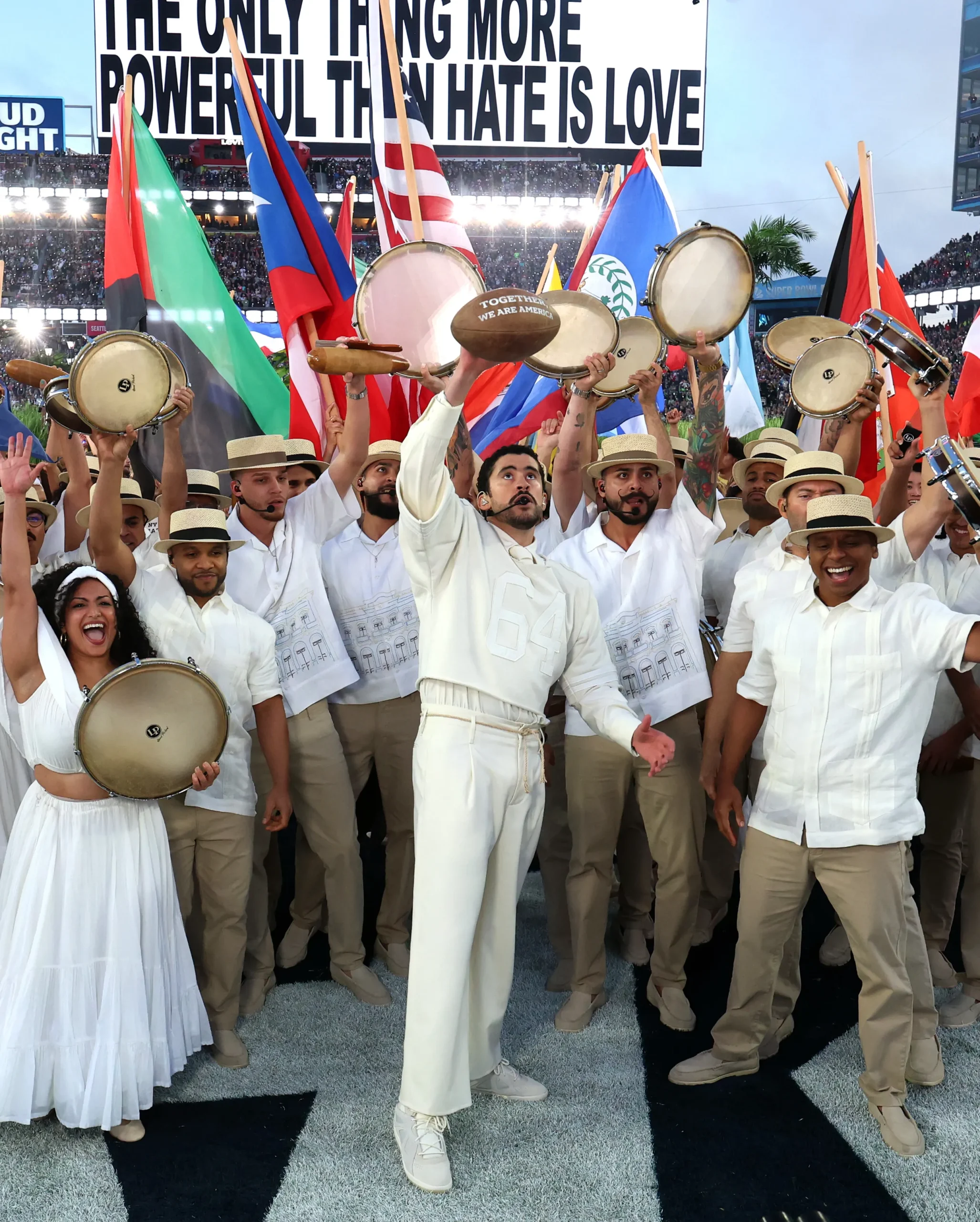
Bad Bunny’s choice to conclude his performance with a call-out of every nation of the Americas is what established this year’s halftime show as an ode to the entirety of the American population. He did not just recognize those born in the United States; he brought together neighboring communities and immigrants, who many believe have long deserved this representation.
Following his Grammy wins earlier this month for Album of the Year and Best Música Urbana Album and now his halftime performance, Bad Bunny and his words have dominated the Internet. “It’s a very full circle moment for a lot of our Hispanic and Latino communities. Considering that it’s an all Spanish album, it’s very significant and important to establish his messages… it represents the light that it brings to the values that he preaches,” Araujo expresses.
The Grammys, hosted on Feb. 1st, fueled the quiet fire that the public had previously been cautious to handle. Bad Bunny was one of many artists attending the event who openly spoke out about the U.S. Immigration and Customs Enforcement (ICE) and the current political state of the country.
One of the statements he made cruised across social media and news sites as an anti-ICE and anti-Trump rallying cry: “The only thing that is more powerful than hate is love.” Tens of thousands of supporters carried his voice to the Super Bowl halftime show, where the artist further united American citizens as a stand against social injustice.
February became not only a moment of public political expression but also a celebration of art and the power it holds in society. “Art shows people the truth in ways that normal media just can’t convey because it can connect to people on a more personal level than reading a headline, reading an article, or listening to someone on the news,” said SAS junior Colton Pence. “I think that all art — [particularly including] Bad Bunny’s performances — are especially important right now to show just how terrible all this Trump administration and ICE stuff is.”
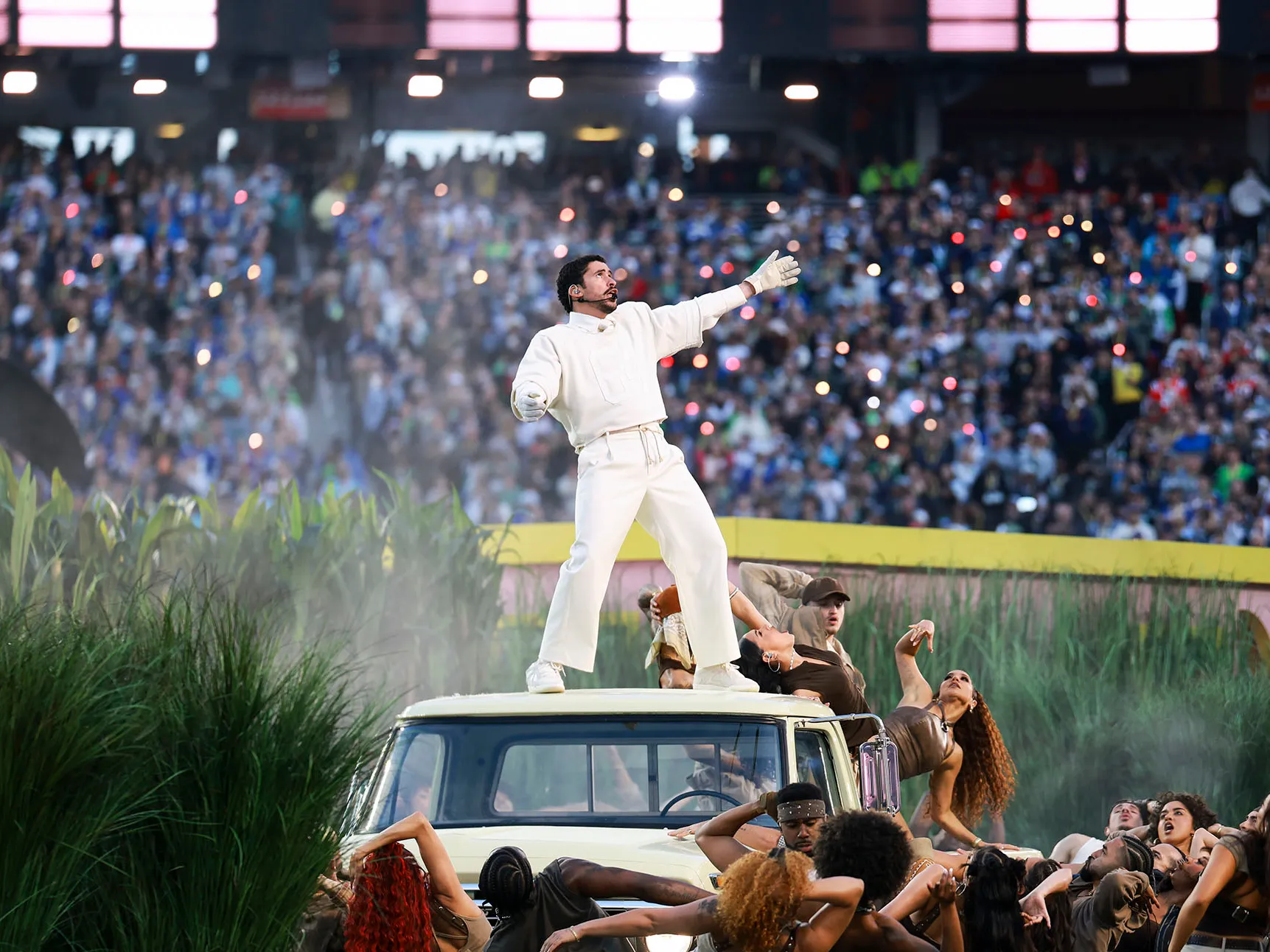
Araujo agrees, stating that “it’s crucial to continue to support the creation of art as a form of peacefully protesting or exercising their freedoms to [express what they believe in], especially to protest or go against injustices such as the ones we unfortunately live through every day.”
Mr. Cruz, the Intervention Support Coordinator and Assistant Athletic Director here at NHHS, considered the current political status of the U.S. when discussing how recent events — including the Super Bowl — have reflected people’s thoughts of society: “There’s a lot that has happened. I think people are afraid for their freedoms; [they’re] afraid of the current administration just deciding that they make whatever rules they want. I think sometimes people don’t feel as free to speak or to do things, but I do think it [will also] create art where people are going to be using it to directly combat that feeling…”
Bad Bunny’s halftime performance has become an example for the American people to follow and feel free under. After a month of cultural omnipresence, it is not difficult to tell where Bad Bunny’s career will go now. The Super Bowl has certainly established a legacy for the Latin artist and his communities, and will continue to be a symbol of American unity.