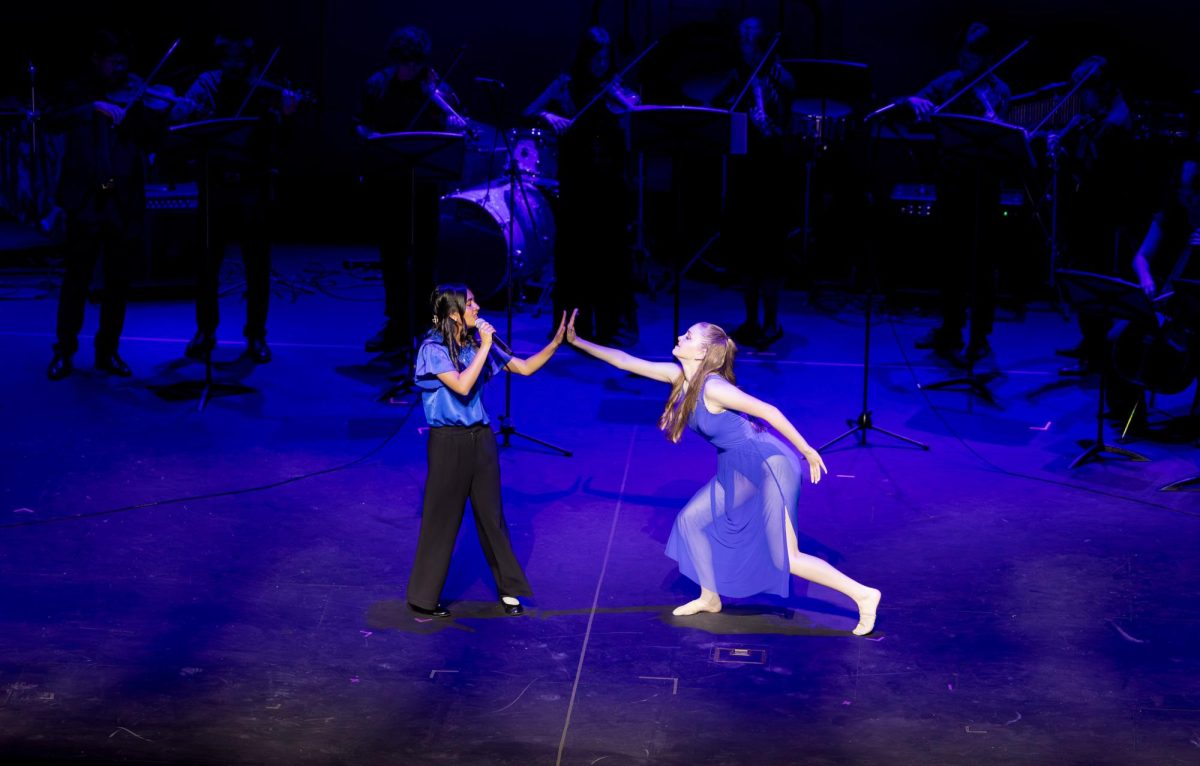
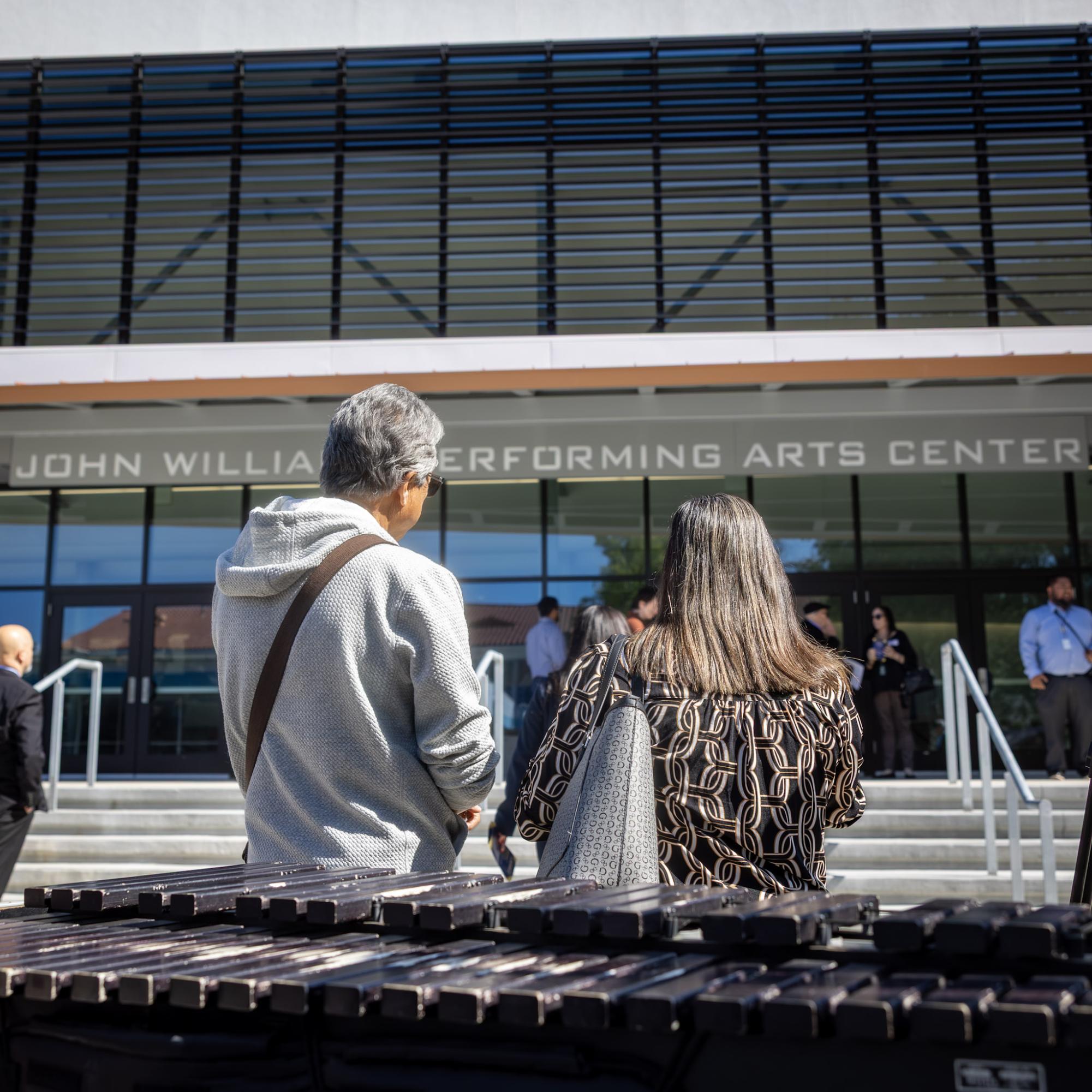
The first time students stepped into the new John Williams Performing Arts Center, many weren’t just reacting to a building, they were reacting to a long-awaited change.
After years of rehearsing in bungalows and temporary spaces, performing arts students at North Hollywood High School now have a centralized facility designed specifically for music, theater and dance. With upgraded rehearsal rooms, improved acoustics and a full-scale auditorium, the JWPAC represents a major shift in how the arts are experienced on campus.
For many students and teachers, that shift is deeply personal.
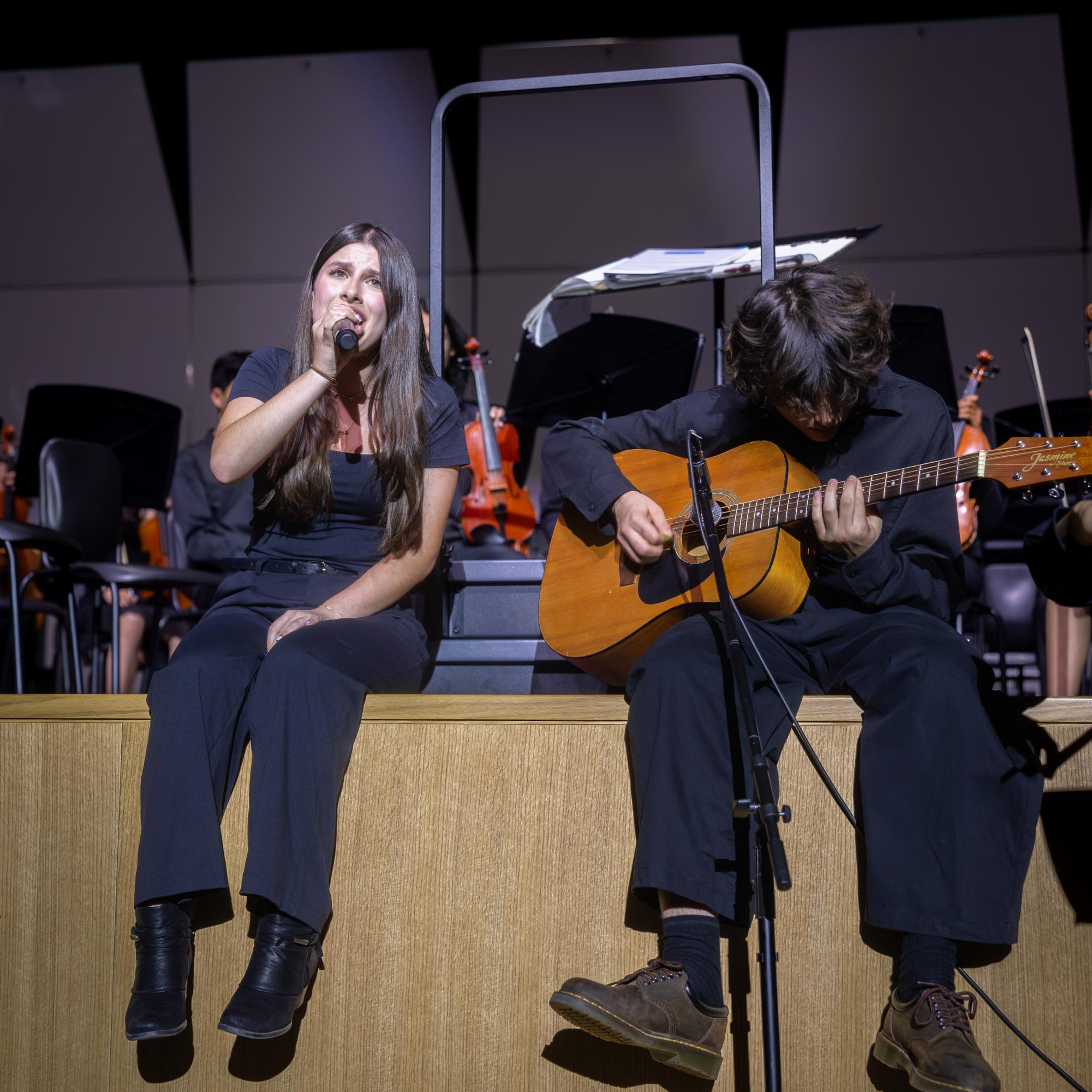
For Jesse Velasco, a senior in the STEM magnet, percussion captain and assistant drum major of the NHHS Marching Band, the new facility immediately stood out. “It was gorgeous. It’s finally a new home for band kids… instead of being stuck in a bungalow where it was just limited to so many small things,” Velasco said. “Now we have a building that’s capable of holding basically all of the art students.”
STEM junior Eunice De Leon, who participates in both band and choir, had a similar reaction. “It was very emotional for me because we never really had a real music room until now,” De Leon mentioned. “We finally have a stable place to call home.”
For SAS junior Leiana Dantez, a theater and orchestra student, the new space brought both excitement and relief after years of uncertainty. “We had been waiting for this theater space for a very long time,” Dantez said. “It just gave us a big step up knowing we could finally have a real production space.”
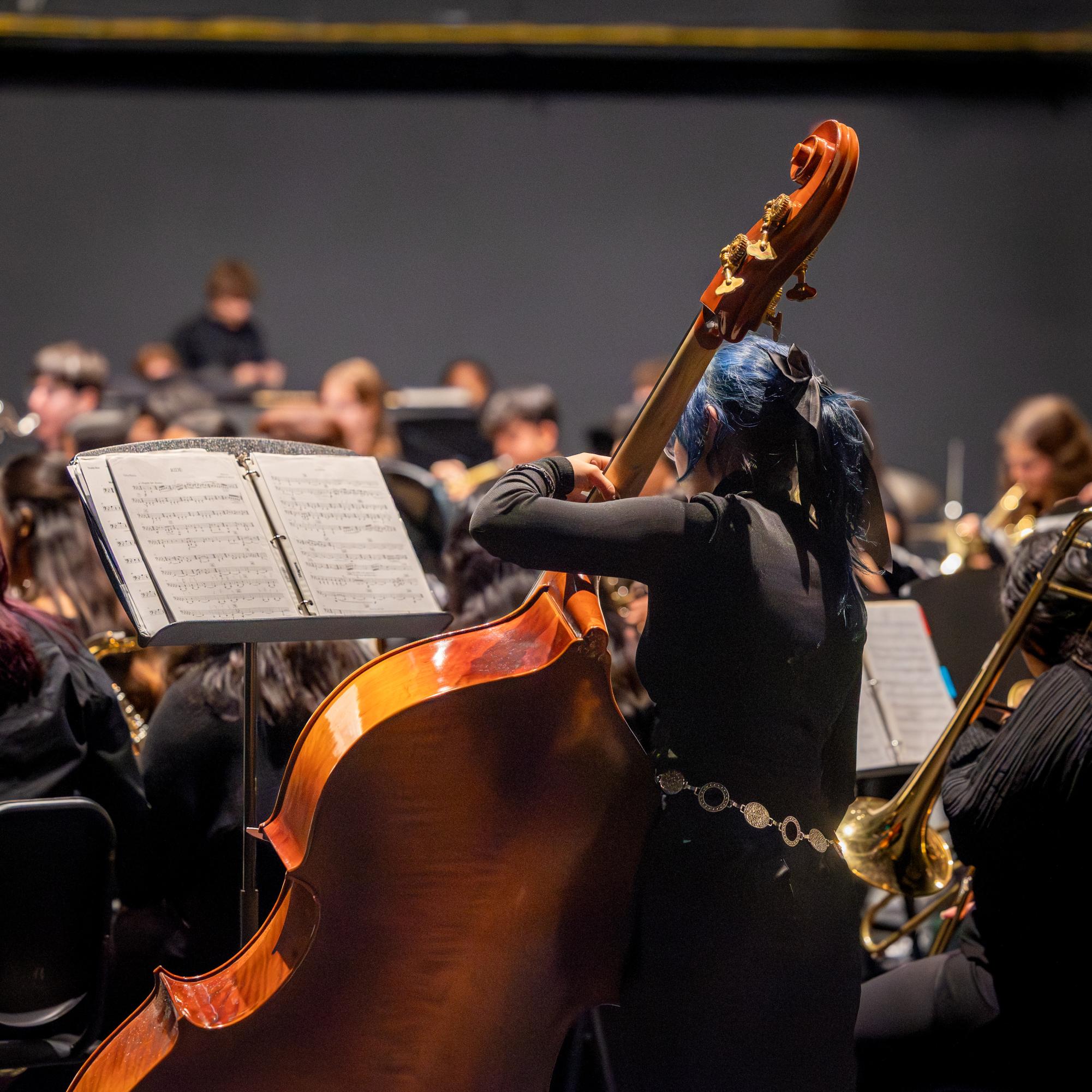
One of the most immediate changes students noticed wasn’t just visual, but auditory and vividly. While rehearsing in the new space, musicians are now able to vividly hear the details of their pieces that were previously lost in older classrooms due to how they were structured. “In the bungalows, you didn’t get the full tone quality… but now that we’re in a room specifically made to focus on sound, we can actually hear and interpret a lot better,” Velasco said. “I can now really feel and imagine the music that we’re playing.”
De Leon echoed this, emphasizing how clarity has improved ensemble performance. “You can hear everything blend,” she said. “It’s very clear now what we need to work on as a group and separately compared to the old space where it wasn’t as clear.”
From a teaching perspective, assistant band director Mr. Louis Allen remarked
that the difference has been transformative. “With 90-plus students, I can now pinpoint every instrument and even individual voices,” Mr. Allen said. “It’s easier to diagnose problems and correct them quickly. It’s a musical game changer.”
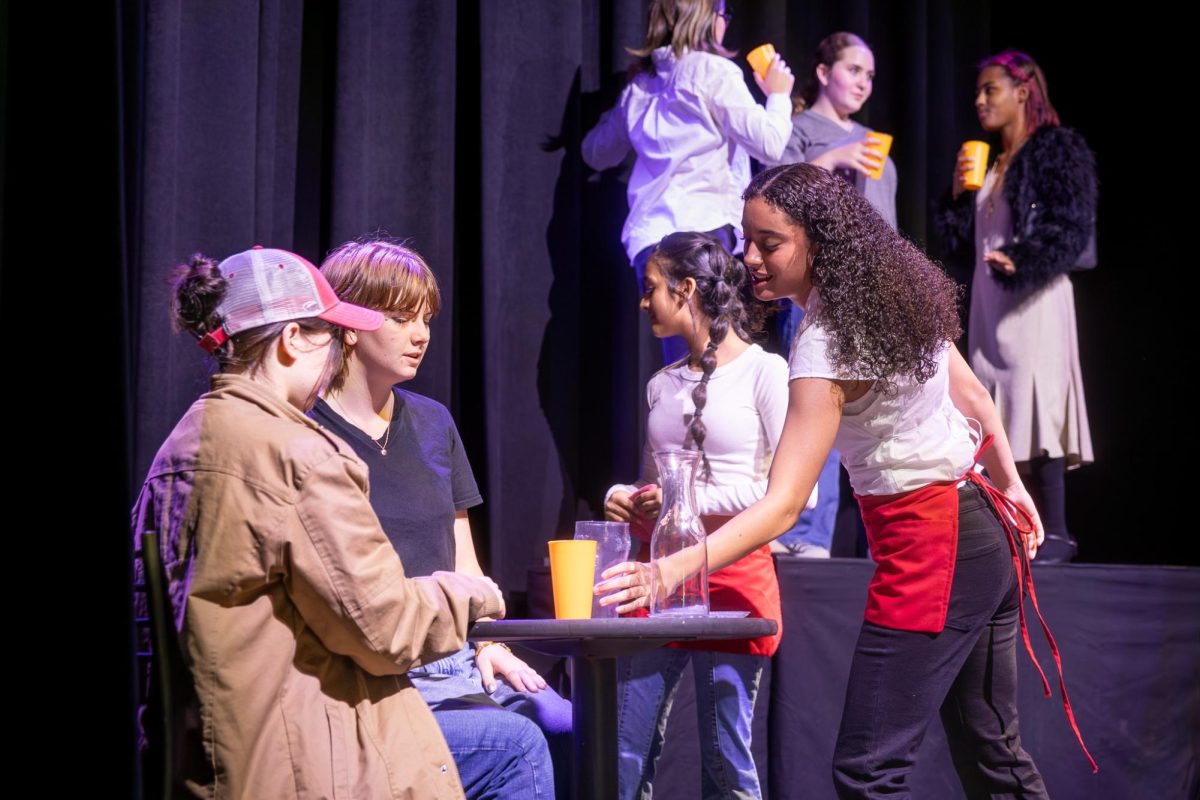
With theater, the difference is just as tangible as the other programs, shifting from cramped rooms to open, purpose-built spaces. “No one really wants to be in a tight room with no space,” Dantez mentioned. “Now we have a big open space and even a stage in our classroom, it gives us so much more motivation.”
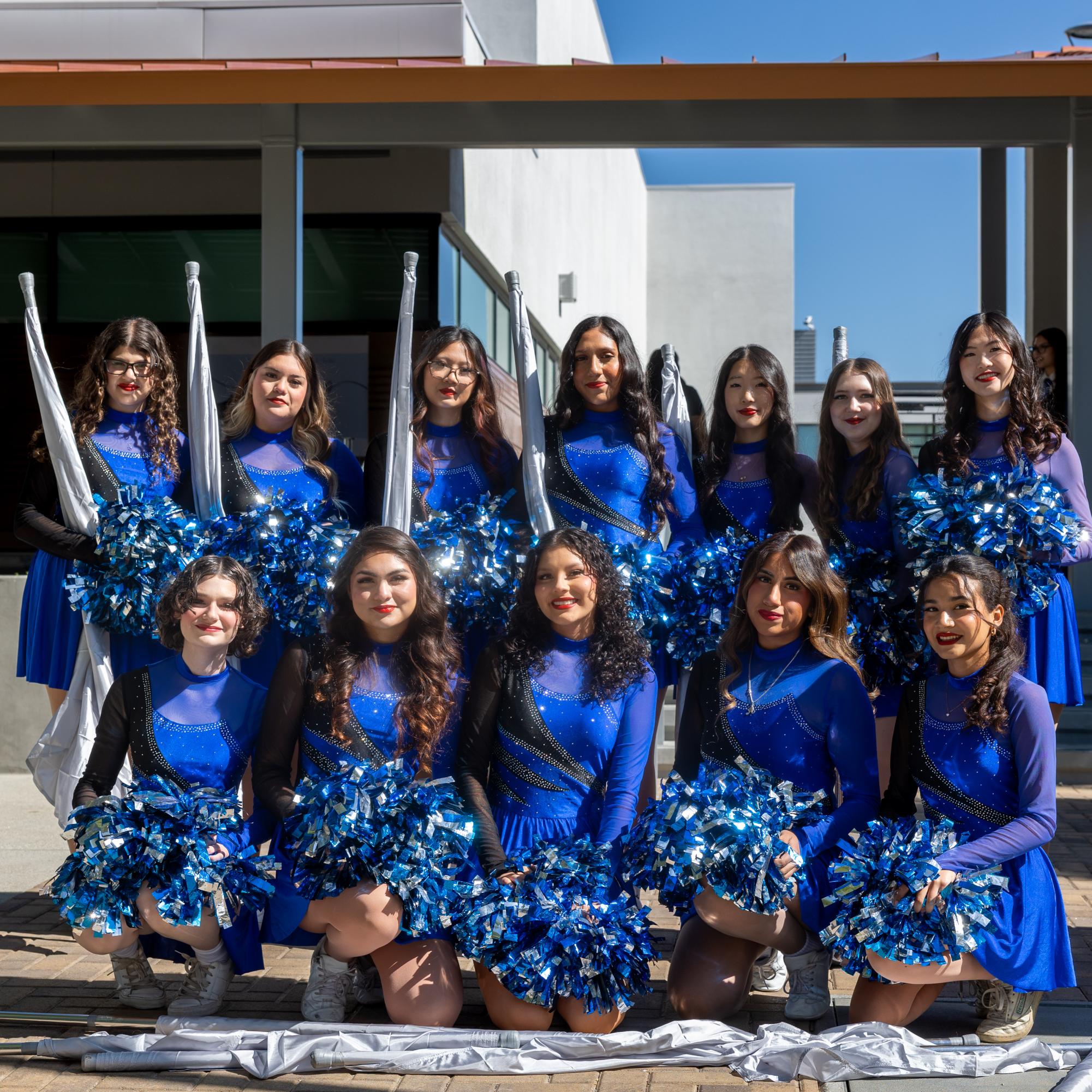
Even with the opening of the new facility, not every performing arts group has fully settled into a permanent space yet. HGM Sophomore Ellen Hamilton, a member of Color Guard and theater, said her team still rehearses in multiple locations and shares storage space with percussion students. “We just need a space to put our stuff,” Hamilton said. “Two years ago, we only had one small storage area, so even though we still share space now, it’s manageable.”
Hamilton explained that rehearsals often shift between Mr. Allen’s classroom, outdoor practice areas and other available spaces depending on what the team is working on. “If we’re doing dance choreography, we stay inside,” Hamilto
n said. “If we’re working with flags or equipment, then we usually have to go outside.”
Beyond sound and space, students and teachers say the new facility is reshaping how they approach their work and how others see it as well. “I think it’s a very big motivator… not just for students, but even the teachers,” Velasco said. “It’s motivated everyone to put a lot more work and effort into the band.”
Mr. Allen has seen that shift immediately. “The behavior issues — about 90% of them went away just by moving,” Allen noted. “There’s a sense of pride. When you walk into that room, you realize you need to step up because the space demands it.”
Dantez described a similar change for theater. “It’s made me want to perform a lot more,” she said. “Now we can actually be serious in rehearsals and focus on what we want to do.”
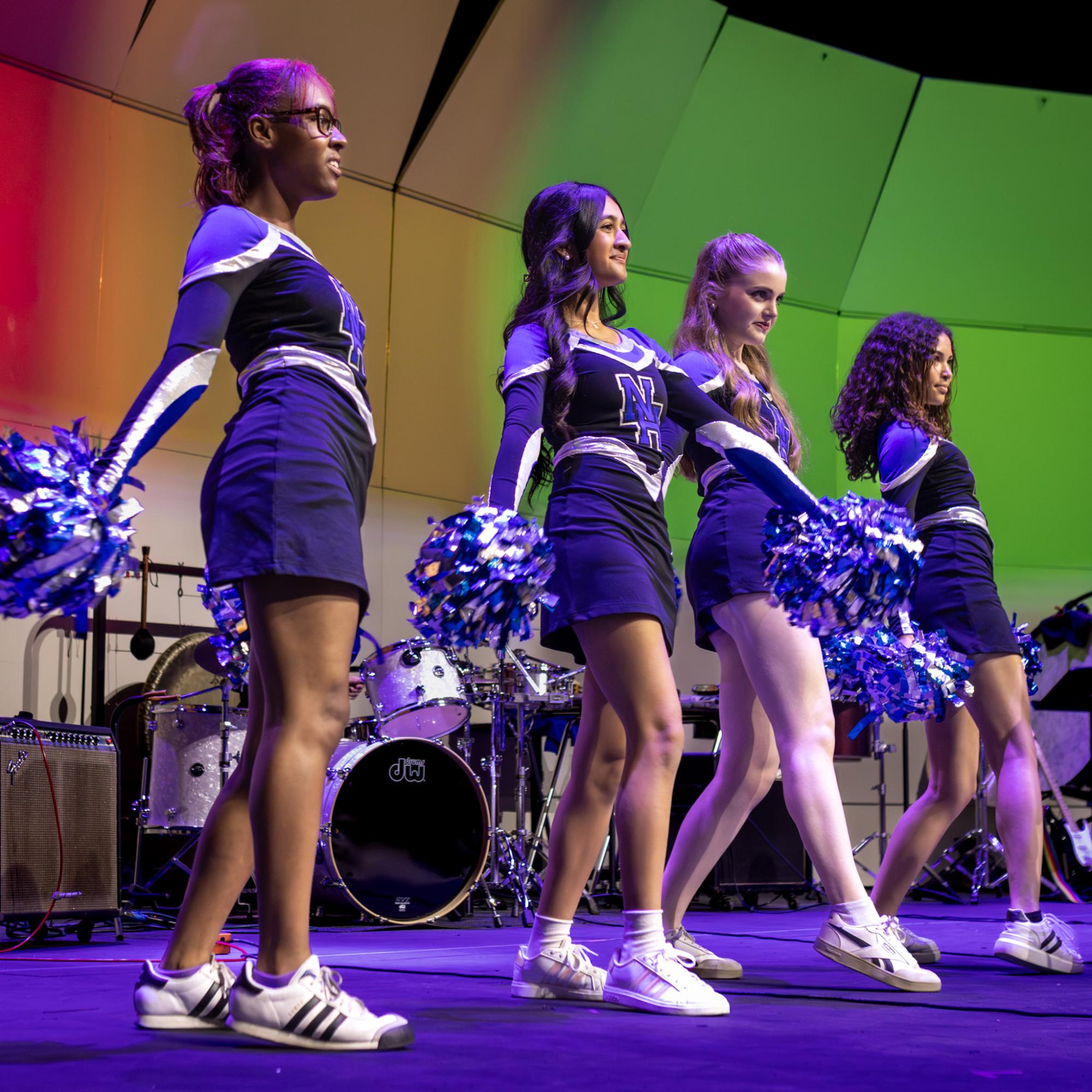
Hamilton believes Color Guard could also benefit from greater visibility and recognition moving forward. “A lot of people think we’re just cheerleaders, which is kind of saddening,” Hamilton said. “We’re much more than that.”
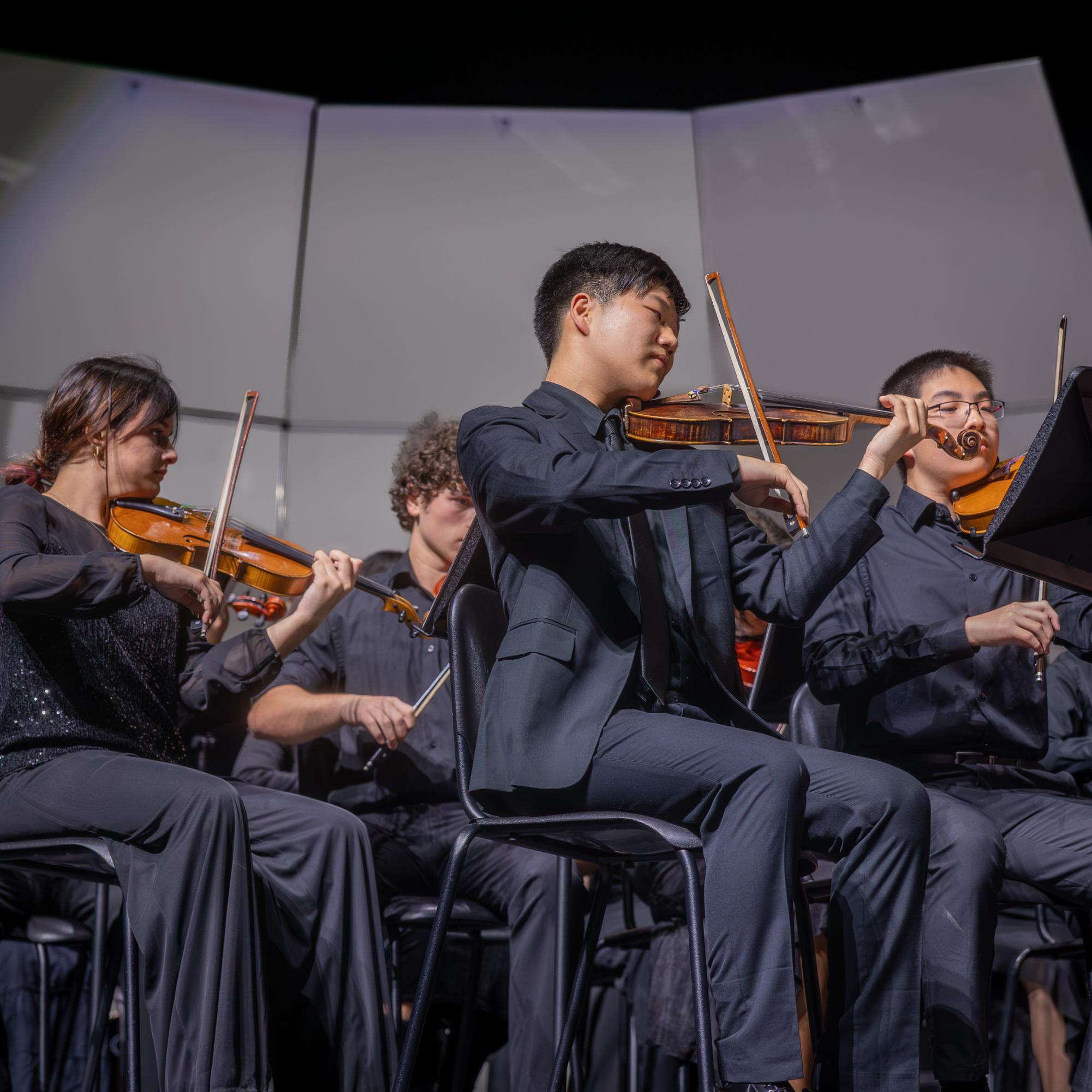
And while the arts programs have always existed, they haven’t always been fully recognized by students and the school. “We’re there, but people don’t really acknowledge or see us,” De Leon explained. “Hopefully now they will.”
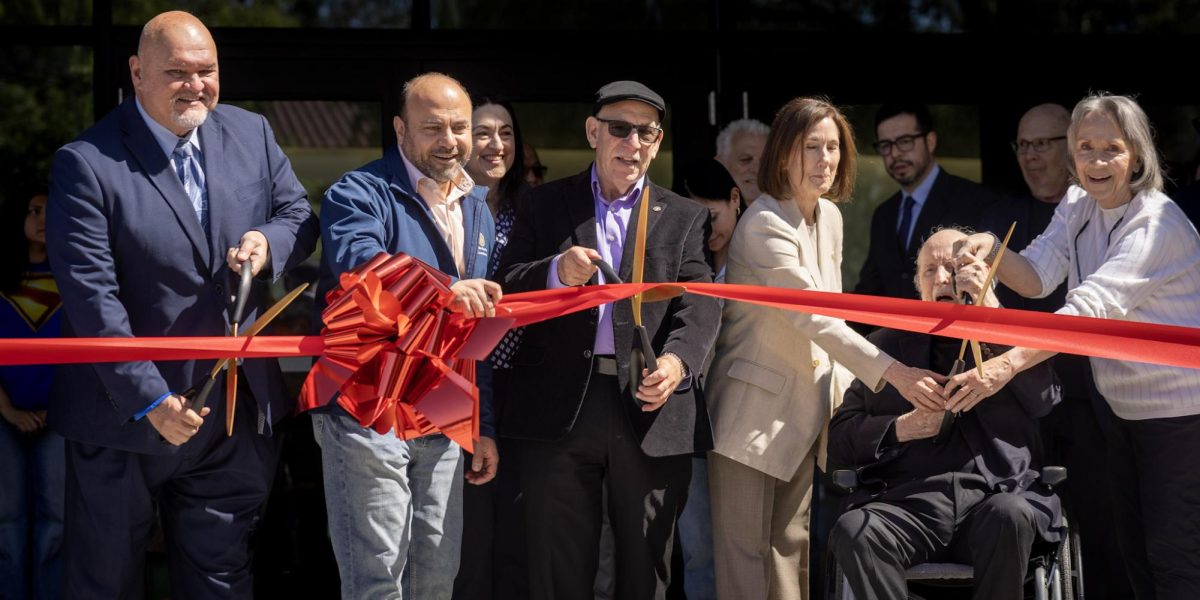
To Mr. Allen, that recognition has already grown. “This has absolutely put us on the map,” he proclaimed. “The support from the community and the attention from the grand opening — it’s made people pay more attention to the arts.”
While the new facility has been widely praised, a couple of students and staff noted a few areas that could still improve. De Leon mentioned that certain spaces feel limited. “I think the practice rooms could have been a little bigger,” she said.
Allen echoed the same concern. “As big as this building is, we still need more space for instruments and equipment,” he said.
Hamilton added that Color Guard still faces challenges with access to practice areas. “One thing that’s really annoying is that we never really get to use the gym for practices,” Hamilton said. “That would definitely help with formations before performances.”
The transition from the old areas to the new facility itself also came with many challenges. “To say it was stressful would be an understatement,” Allen said. “We had very little time to move everything.”
As the JWPAC becomes more integrated into campus life, its influence will continue to extend beyond performing arts students themselves. Dantez said the new auditorium changes how audiences experience theater. “No one wants to hear that a show is in the gym,” she said. “Now it feels real — more intimate, the lighting is better, and the seating also makes a difference.”
Allen believes the building’s visibility will continue to shift perception over the next upcoming years. “All the performing arts are in one place now, so it’s hard to miss,” he said. “That creates awareness not just on campus, but in the community.”
Hamilton hopes Color Guard will also gain more attention as the program continues to grow. “I hope we’ll get more people next year,” Hamilton said. “Maybe with more space and more support, people will understand what Color Guard is really about.”
The JWPAC does bring upgraded facilities and the end of NHHS’s modernization project, but to many others, it means something else more personal. “For me, the John Williams Performing Arts Center represents change, vitality, adaptation,” Velasco said.
De Leon described it as a space of expression for all to see. “It is very colorful and expressive… students can finally show their true selves and be recognized,” she mentioned.
With Dantez, the impact is deeply motivating. “It gave us that drive,” she said. “It makes us want to put our best foot forward and make our productions the best they can be.”
And Mr. Allen described it as transformative. “It’s a haven for student creativity, inspiration and performance — a sanctuary.”
As more students and programs continue to settle into the new space, the JWPAC is still defining what it will become. But already, it has begun to reshape not just how performing arts sound, but how they are experienced, valued and seen across the NHHS community — turning what was once overlooked into something impossible to ignore.