Remember Smurf Cat, Among Us dancing clips, and “I got like hella money”? Probably not. Memes and trends these days die out. When comparing those to early 2000s trends and memes like “doge” and planking, these are so short lived.
Within communities on the internet, there are different trends and memes. Some corners of TikTok for example have dance trends while others have things like putting a Tomodachi Mii voice over a funny video.
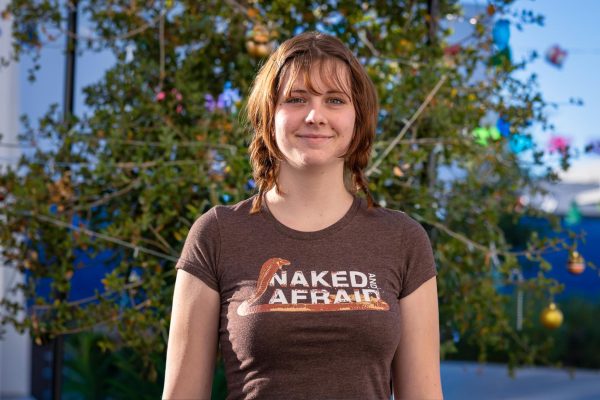
Nicole Kleniner, a sophomore in SAS, explains what she sees on the internet. “It’s kind of just funny clips and sometimes like random videos, like dancing or drama.” The trends that someone may see on their own feed, others might not even know exist.
With how short-lived things are on the internet, some are so fast that they don’t even have the chance to reach people outside of that small community it started in. Lesly Avlia, a junior in SAS, speaks about a trend she’s never seen. “Yeah all my friends were talking about this like ‘you the birthday’ kind of thing. I did not even know what that was.”
Avlia also states, “I like to do dance trends and get ready with me kind of videos, I don’t participate in too many trends, I normally stick to what’s on my [for you page].” If people stick to what’s on their own page, it’s going to be hard for something to move through the internet with a lasting impact. 
Compare that to the wide internet spread of planking. Planking is a viral social media meme where people lie face down, completely stiff, in unusual or public locations while having their photo taken. This was global, and it started in 2011.
This is an example of a trend that lasted a month at best and died suddenly. A similar trend, however, has stayed so much longer in the past. How can this be? The history of the internet can explain this.
The internet is so vast now, but back in the early 2000s when the internet was newer it was smaller and much easier to see way more stuff when there were only so many websites. With that said, it was incredibly easier for things to spread wide and fast. So that can correlate into the world wide phenomenon known as the “Harlem Shake.”
Kleiner also says that her own feed is personal to her. “I get pretty niche videos on my Insta, I feel like the videos are close to things I like in real life.” This could be a similar situation for many people on Instagram. It’s not called a “for you” page if it isn’t for you, it’s harder for trends to stick if they can’t be relatable for all niche communities.
Comparing the internet then to the internet now, there can’t be much confusion when something gets lost in the sea of new videos. Especially with apps like Instagram, reels are using cognitive AI to curate very personal feeds for people. One kind of video might be all over someone’s page while another person might not even know it exists.
Leiana Dantez, a junior in SAS, enjoys watching things like, musical animatics, and funny clips, and things related to shows she likes, like “Dr. House.” “Dr. House”is a show some people may not even know existed, “I don’t think the show is too niche but you know, it’s hard to see stuff outside of my fyp about it.” Dantez explains that sometimes she sees videos outside of her own personal page, and most of the time there isn’t much on what she likes.
Sometimes finding different videos outside of what you like is nice. Dantez also shares her piece on this, “I do like falling into drama or things I knew nothing about and finding something I never would’ve known that I like now.”
Not only does this happen to Dantez, but to everyone essentially. The internet has a wide variety of interests and hobbies waiting to be found.
The internet is like snowflakes for its users, it is not the same for everyone. At least in this day and age, now the real questions lie in, what comes next for trends? Will they continue to die out? Or are we in a new era of longer means, like 67?