In the halls of North Hollywood High School, energy drinks are ubiquitous. They’re clutched in the hands of busy teens attempting to ward off exhaustion: athletes who stayed up finishing homework after a long practice, or doomscrollers who got too distracted to go to bed. Here, energy drinks are an undeniable part of student life.
“I just think it’s a big part of teenage culture in general,” says HGM sophomore Sophia Dao. “I would say that 80% of my friends have indulged at least once — not necessarily, they are addicts or they are chronic drinkers — but they’ve indulged at least once in their life.”
But why have energy drinks taken such a hold of teenagers? HGM junior Cisco Sanz-Agero believed that the popularity of energy drinks was due to their sugary flavors; for example, he says, “There’s this one brand called Ghost, and they have these Jolly Rancher flavored drinks… it’s like if you had melted one and just drank the syrup.”
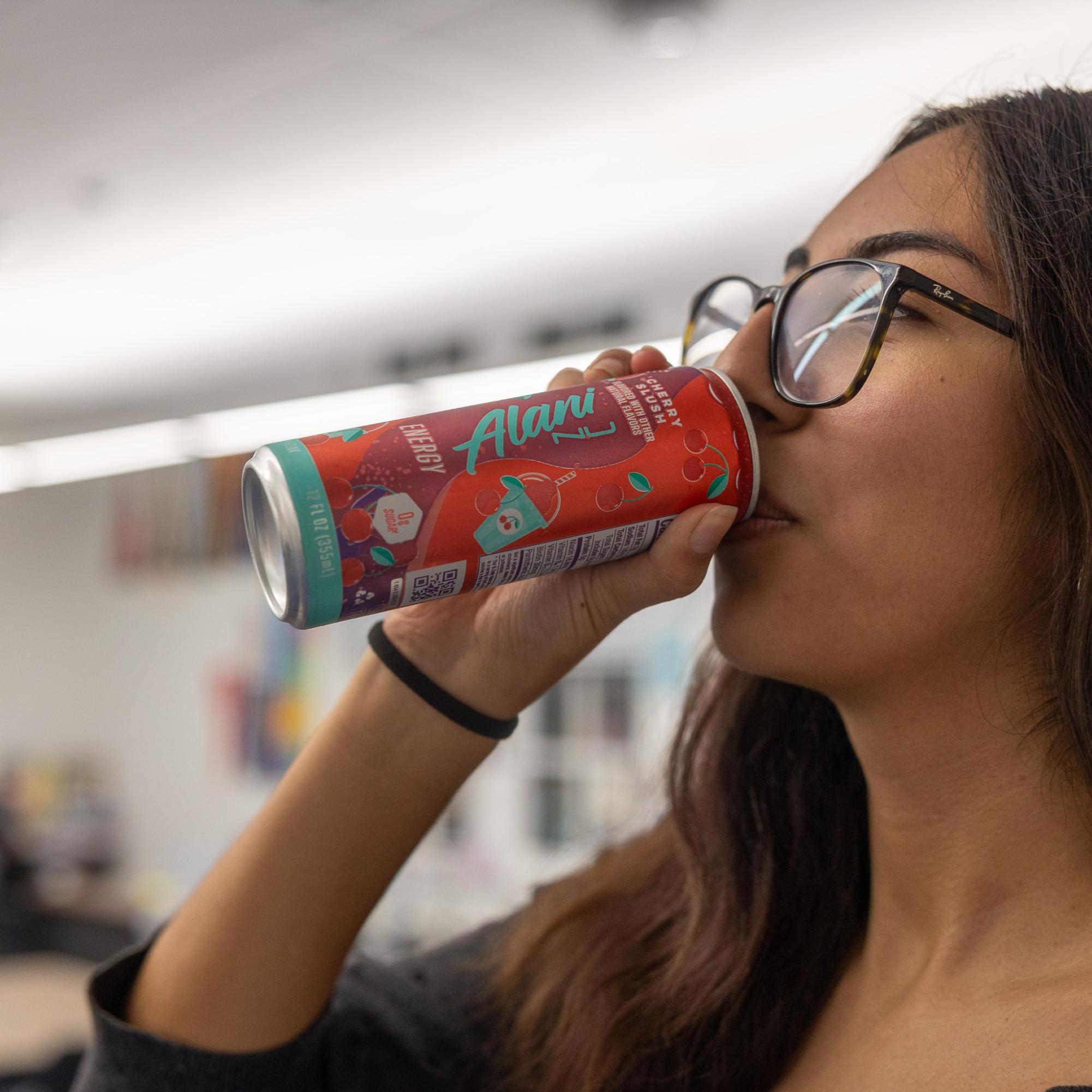
On top of sugary flavors, social media can also encourage energy drink consumption. Online communities can also emerge through energy drinks. Dao says that “It’s also just so normalized across social media and everything. It’s so funny. All of my TikToks are just people with energy drinks and they’re mostly all teens.”
Online energy drink content often focuses on collecting cans and turning them into can walls or can mountains—monuments of drinkers’ devotion to the brand. Dao herself collected the tabs of energy drink cans, and Sanz-Agero boasts a moderate collection of White Monster cans.
This reveals another key aspect of their consumption: energy drinks become a part of teens’ identities. Aesthetically, different drinks have well-established brands: the sleek clean lines of a Celsius, the punky extremity of a Monster, or the girly sportiness of an Alani Nu. Sanz-Agero says, “Certain drinks have certain personalities or aesthetics to go along with it. It definitely could contribute towards an aesthetic. And it’s the same way any sort of accessory would, like a belt.”
STEM junior Maria Alas also views energy drinks, to an extent, as an aesthetic tool. “The drink for me becomes kind of like an accessory,” Alas, who says she drinks around four Red Bulls a week, reflects. “It looks better if I match it to what I’m wearing. For example, if I’m wearing pink, I gotta get a pink one.” Dao, who plays basketball, similarly said that she chooses energy drinks with cans that match NHHS’s school colors on game days.
Dao calls energy drinks “performative” and says, “I think that a lot of kids drink energy drinks to be cool. When I was a wee little freshman and I was walking in here, I would idolize the kids that came in and would just put a can down. It just makes them look cooler because they’re emulating an adult. And when you’re a kid, that’s what you want to be.” Energy
drinks, with their poppy flavors and distinct aesthetics, take on a certain allure for many teenagers.
But their health risks are real, and dangerous.
In October 2025, Texas cheerleader Larissa Nicole Rodriguez, 17, died of cardiomyopathy, a condition in which the heart enlarges, hindering its function. Energy drink overconsumption was at fault for this tragedy: Rodriguez’s cardiomyopathy was caused by her frequent consumption of the energy drink Alani Nu.
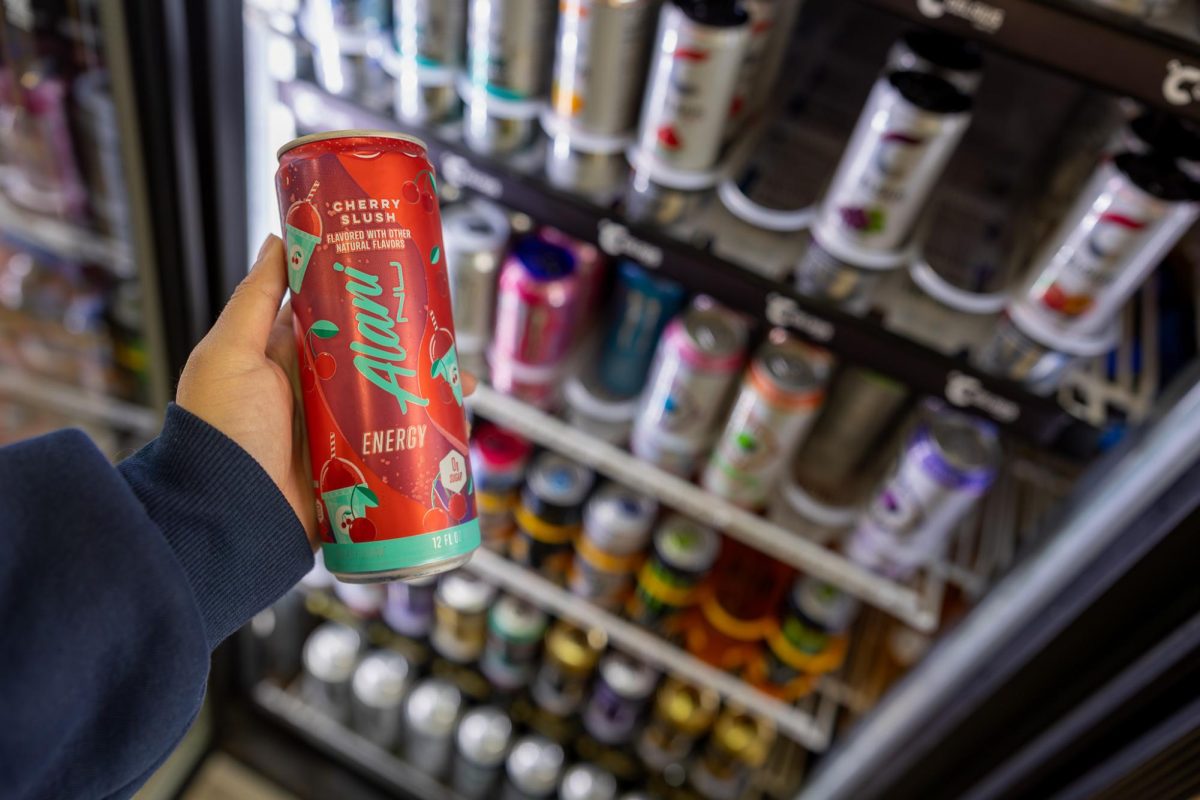
Alani Nu is a popular energy drink brand that often markets itself as healthy. Cans are generally advertised as wellness products, and “Alani Nu” is actually short for “Alani Nutrition.” The Alani Nu website states, “Whether you want to hit your last rep, hold your next handstand, or balance your hormones, we want to be beside you. That’s why… [we] produce wellness and fitness products you can trust.” As a cheerleader, Rodriguez was drawn to the way Alani Nu markets itself towards vibrant, sporty girls.
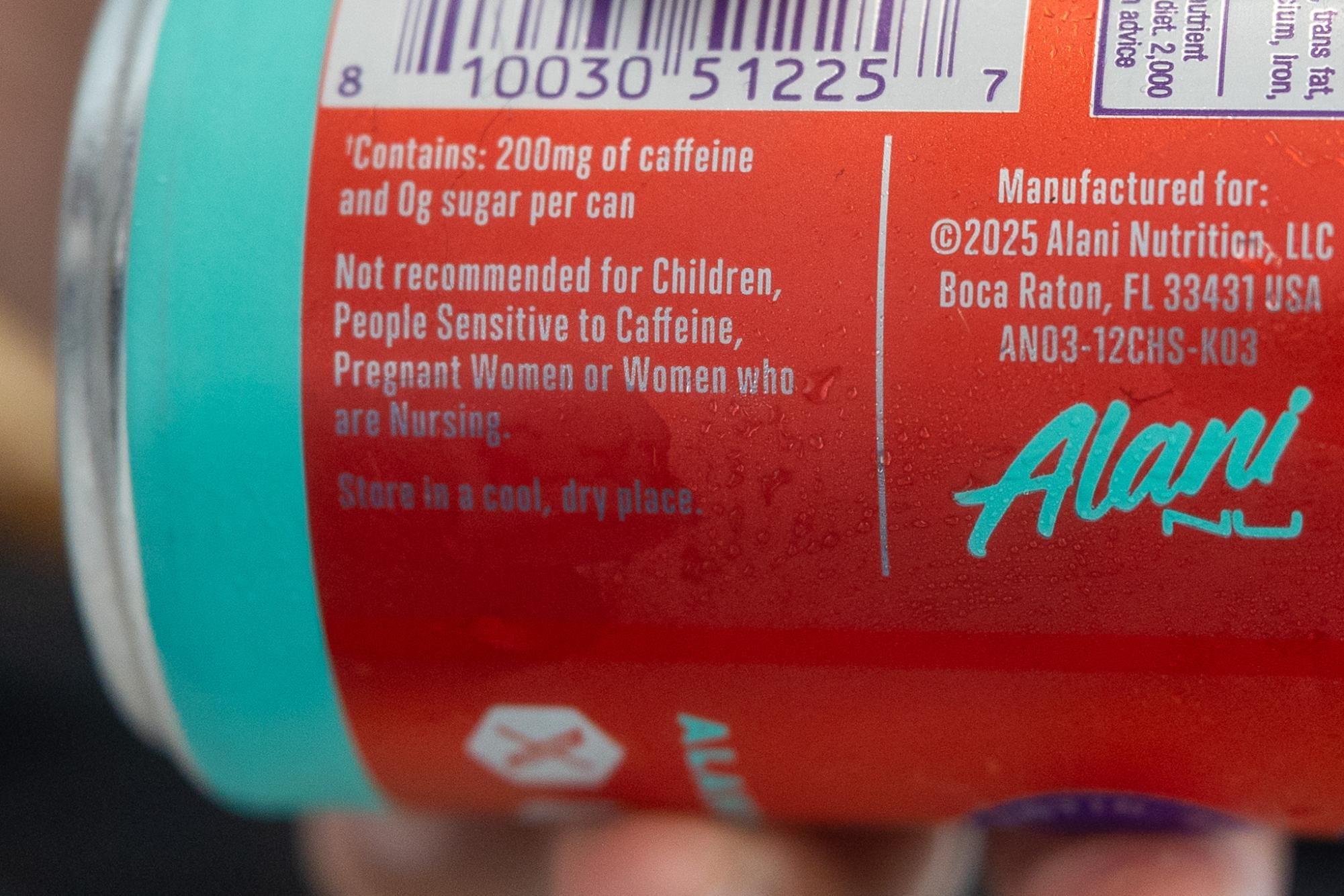
Energy drinks, though, are anything but healthy. According to the CDC, energy drinks can cause dehydration, heart problems, anxiety, and insomnia as a result. Doctors recommend that teens limit themselves to around 100mg of caffeine per day, but just one can of Alani Nu already contains 200mg. This overconsumption of caffeine can cause potentially fatal health problems for teens, like Rodriguez, who frequently consume energy drinks.
For some students, these health risks have become clearer and clearer over time. At the hospital she volunteers at, Dao saw a patient come in with energy drink-induced heart problems. She said: “I was scared because there had been days where I drank only one [energy drink], but it would have such an effect on my body that I couldn’t stop shaking. I would have all these tremors and my head would start hurting, it occurred to me that there could be real consequences. That could be me in that patient bed.” Dao decided then and there to quit energy drinks. At the time of our interview, she was 17 days “sober.”
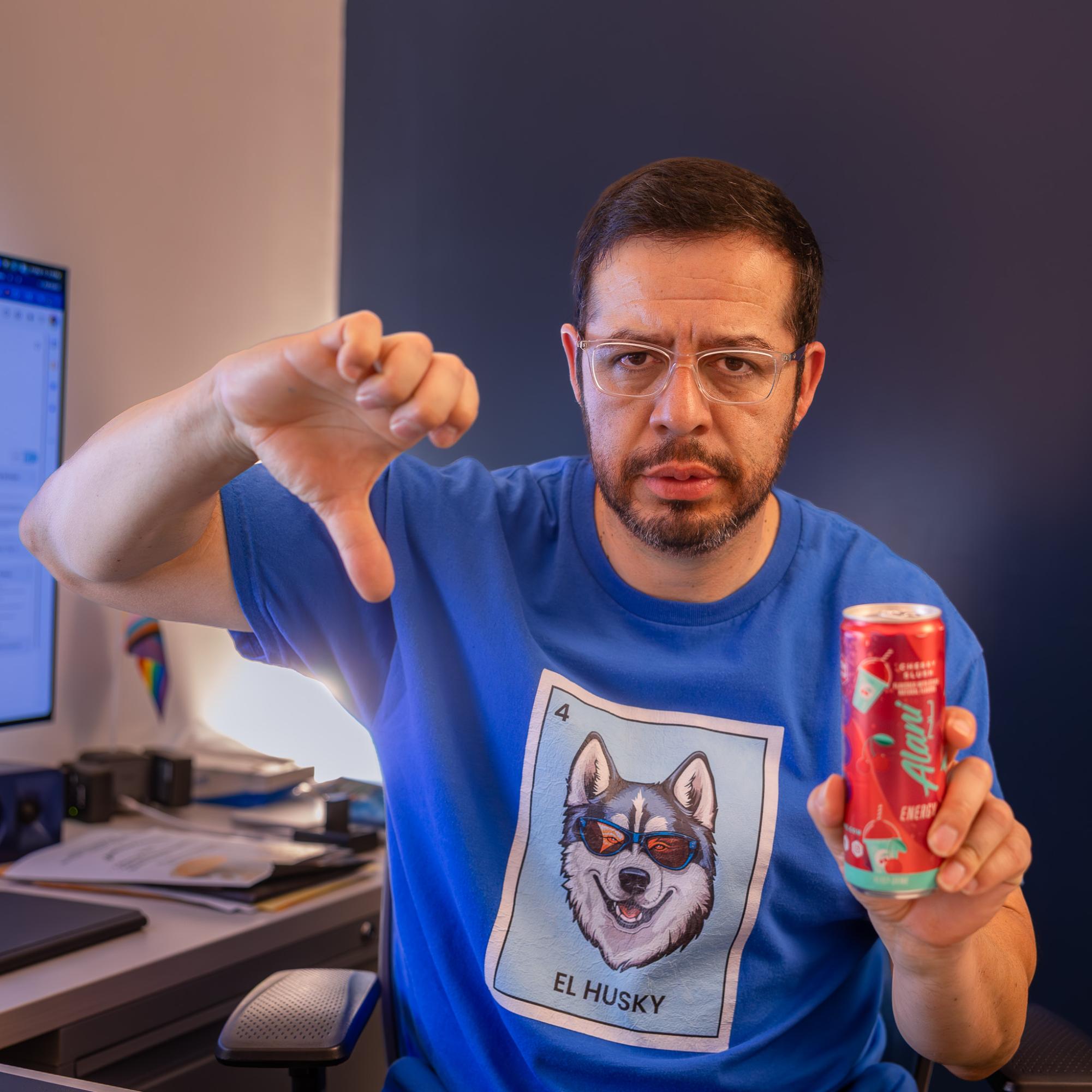
After realizing he has an abnormally high resting heart rate, Sanz-Agero similarly quit energy drinks due to health concerns.
Dao and Sanz-Agero’s paths to energy drink sobriety reveal that awareness about health risks may be a powerful way to reduce energy drink consumption. The CDC recommends that teachers, coaches, and other school faculty communicate the dangers of energy drinks to students. Dao thought that schools could raise awareness through assemblies with doctors and with those who have survived energy drink-related health scares.
Energy drinks are an undeniable craze right now. They taste sugary, stimulate focus, and have even become a mode of self-expression. Still, in the wake of Larissa Nicole Rodriguez’s death, energy drink consumers are faced with the health dangers packed into their favorite beverages. Alas’s message for anybody who’s consumed or considered consuming energy drinks was simple: “Do not drink it.”