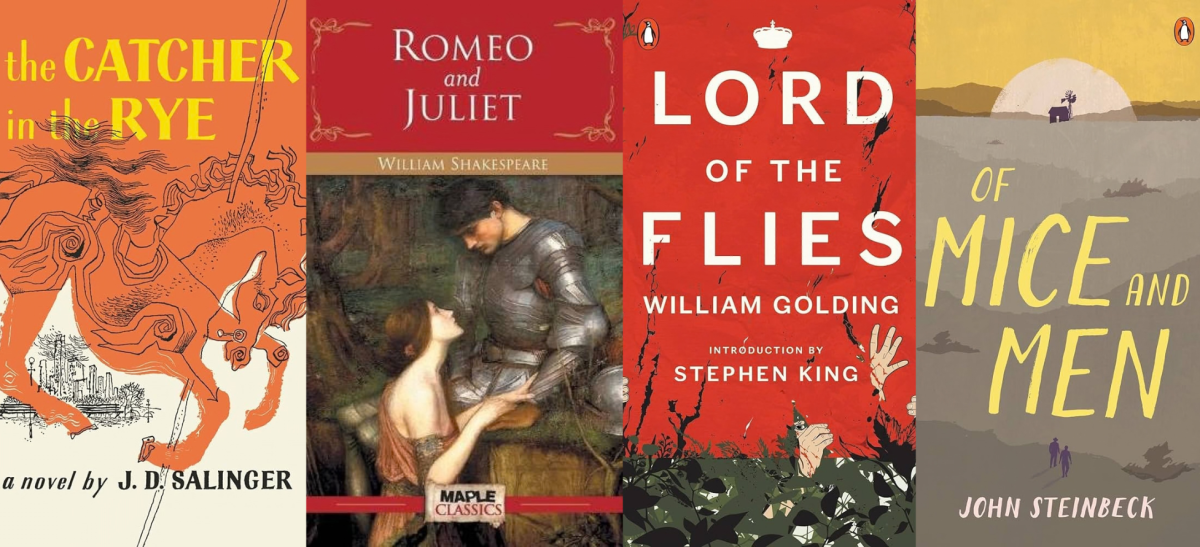
While modern-day classics like “Romeo and Juliet” by William Shakespeare are still taught throughout high school, there seems to be a decline in relevance to teenagers around America. “Romeo and Juliet” tells a story about ill fated love, bound to end in tragedy, but does that still hold up to today’s younger audience?
For starters, the story dates back to the 16th century, with plot lines that include young love, disapproving parents, and death. Although some aspects of the story are exaggerated, teenagers today still resonate with feelings of intense love and hopelessness when faced with disapproving parents.
Not all teenagers would agree with how the story resonates with their own peers.“I just think that when kids our age discuss the story, they only focus on the kissing scene in the movie, taking away from the actual message” states Anthony Lopez, a freshman. Not all classic books have to have a romance plot to keep kids interested, such as “Catcher in the Rye,” “Lord of The Flies,” and “Of Mice of Men”.
“Catcher in the Rye” by J.D. Salinger focuses on a young protagonist who is cynical about the world and his own life. What is found in the pages of this book reflects what many teenagers experience, the feeling of being lost, not knowing who you are, and wanting to be older in order to be taken seriously.
These sentiments are also shared by junior, Connor Maudsley, “Yeah, I’d consider Catcher in the Rye to be relevant to teenagers, I could personally relate to Holden’s angstiness” on the other hand “Although they can still be relevant to a teenage audience, I don’t think they seek them out because they’re not as digestible.” It seems classic books can still be relevant to a younger audience, but the effort to want to understand outdated terminology dwindles with today’s generation.
With new slang, simplified analyses with books and TV shows, it’s no wonder why teenagers today seem to lack the understanding of classic books. A famous classic like “Carmilla,” written in 1871 by Joseph Sheridan Le Fanu, have convoluted quotes such as, “You must come with me, loving me, to death; or else hate me and still come with me, and hating me through death and after”.
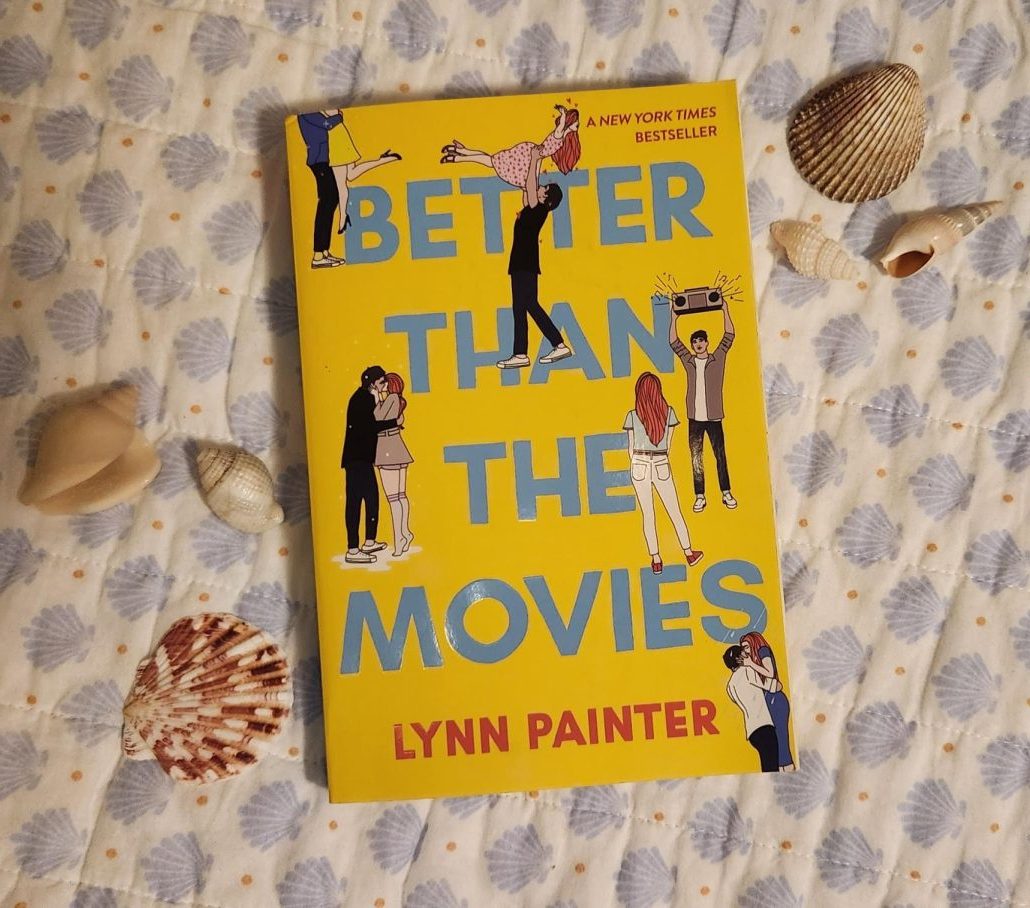
Phrases like these are drawn out and can be somewhat convoluted to a teenage audience, just like the scene described above where Carmilla professes her obsessive love to Laura. But, why were sentences in classic books describing affection more complicated than modern romance books such as “A thousand boy kisses” and “Better than the Movies.”
For example in the book “Better Than the Movies,” a scene describing the character Wes Bennet states, “I fell in love with teasing you in the second grade, when I first discovered that I could turn your cheeks pink with just a word”. Compared to “Carmilla,” the professing of love seems to be more direct rather than drawn out with compound-complex structure.
Lopez finds modern day books easier to understand than classic books in regards to their queer openness. “I just find it easier to read modern day books -like heated rivalry-that are so open when it comes to gay characters. Why should I have to decipher if a character is queer coded just because he has ‘close’ male relationships? ” Lopez explores the frustrations when it comes to reading classic queer books.
While some teenagers might disagree with the relevance of classic books in modern day society—especially with queer representation— plot points having to do with young love, feeling lost, and mental health have transcended time to our modern day.
The urge to understand classic books helps the younger generation figure out deeper meanings of texts, this is clearly apparent with teenagers willingly choosing AP English courses that dive into character and story analysis.
High school students now more than ever have the opportunity to learn about classics based on college courses offered. Teenagers relating to classic books are still alive; even if the ability to understand certain vocabulary has changed in the modern age. These stories have always strongly connected to teenagers who go through new changes in their developing lives.