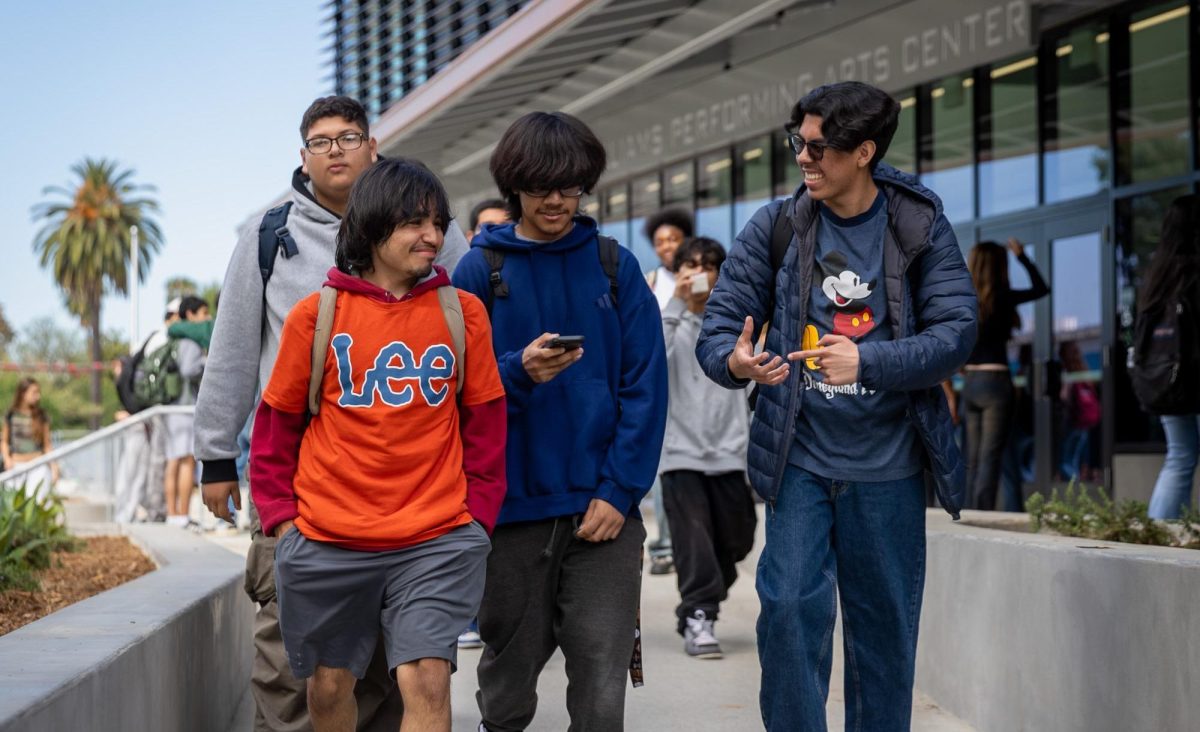
Walking through the halls of North Hollywood High School, it’s hard to miss the glow of phone screens. Students scroll before class, share videos at lunch, and check notifications between periods, often without looking up.
But beyond casual use, social media has become a defining part of how students communicate and experience school. Different platforms serve different roles, creating an unspoken hierarchy that shapes trends, friendships, and even daily interactions on campus.
National data reflects the scale of this influence. According to the World Health Organization, about 1 in 10 adolescents struggle to control their social media use, while the Pew Research Center reports that nearly half of teens believe social media negatively affects people their age. Additional data shows just how widespread usage has become; up to 95% of teens ages 13 to 17 report using social media, with many online almost constantly. Together, these trends raise a larger question: how is social media actually affecting students at NHHS?
Across grade levels, one platform consistently stands out. “I think overall, it’s Instagram,” said STEM magnet senior Kai Schaid. “The majority of people at this school are on it.”
Freshman Dylann Carter described Instagram as a kind of “social ground,” explaining that “everybody uses it” to post updates, message friends, and keep up with others. For many students, it is the first app they open — not just for entertainment, but to stay connected with many others.
TikTok remains a major source of trends and entertainment, though students describe its content as fast-moving and sometimes overwhelming. Carter noted how quickly trends cycle, often lasting only “a day or two,” adding, “Every time I go on it, I get brain rot.”
Snapchat, in contrast, plays a quieter but consistent role, functioning primarily as a communication tool rather than a trend-driven platform like others.
While these platforms dominate campus life, students experience them in very different ways.
Carter, who estimates spending up to eight hours a day on social media, said communication increasingly depends on apps rather than in-person interaction. “I feel like you have to have those apps,” Carter said. “It feels more like a social experiment than actually wanting to communicate.”
Schaid, a lighter user, described a more passive relationship with social media — spending a few hours a day scrolling but rarely posting. He also pointed out how algorithms shape what users see.
“Everything’s curated to everyone,” Schaid said. “It’s hard to find something truly trending anymore.”
In contrast, sophomore Simon Johnson Kohler in ZOO magnet has largely stepped away from social media altogether, rarely opening apps that aren’t a necessity to have. “I don’t really see the point,” Kohler said. “The important things happen during school… everything online is kind of bogus compared to that.”
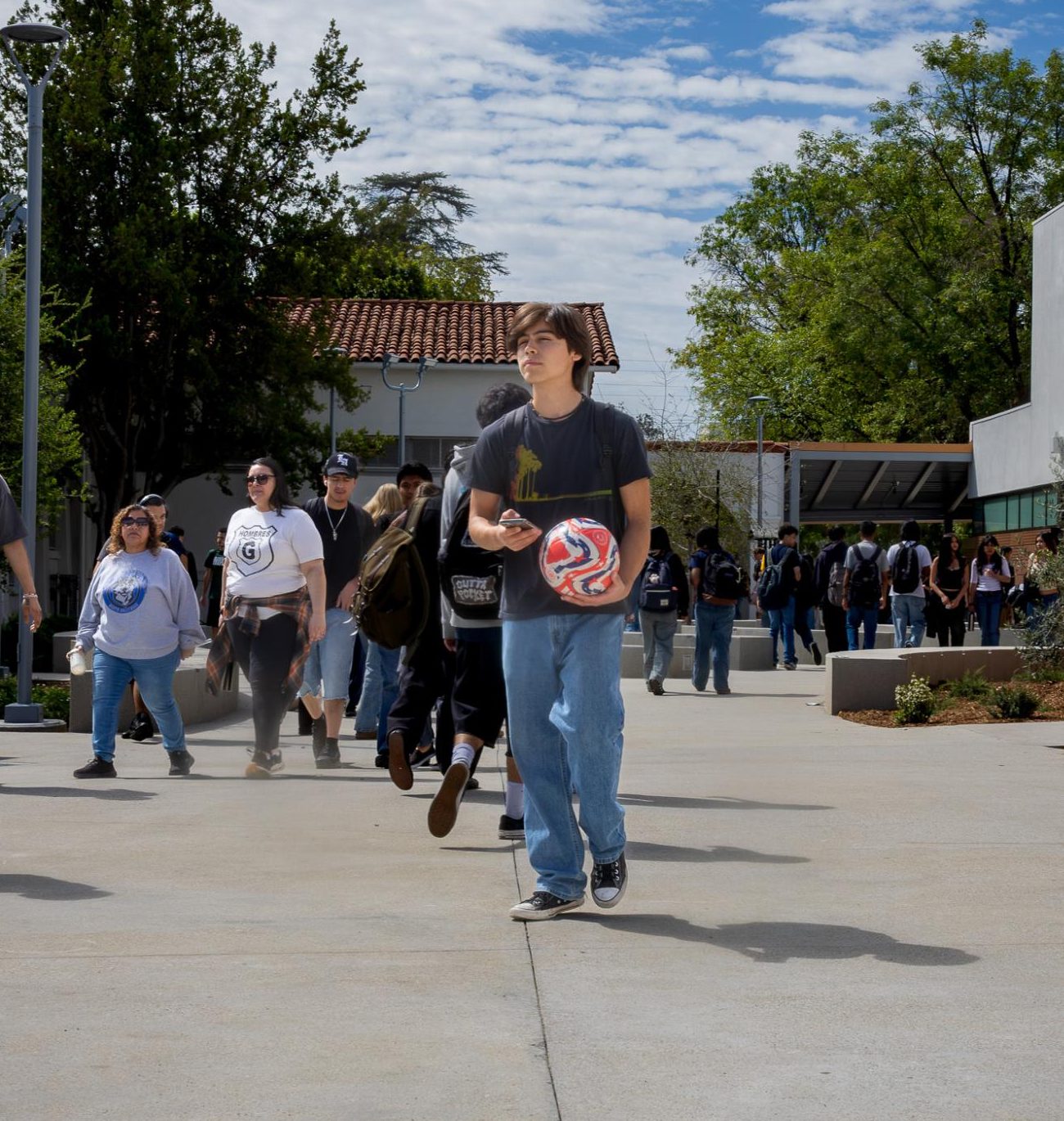
From his perspective, the impact is visible in everyday behavior, and in many students and his friends. “People are just looking at their phones,” Kohler said. “It brings you into a whole different world.”
Research suggests these differences in usage can have real effects. Studies cited by the Mayo Clinic show that teens who spend more than three hours a day on social media are more likely to experience anxiety and depression, highlighting the potential risks of heavy use. Other research indicates that nearly half of teens say social media sometimes makes them feel worse, reinforcing concerns about its emotional impact.
Students at NHHS echoed these concerns, particularly around comparison and online image. “I see all these pretty people,” Carter said. “And I think we should be more kind to ourselves.” She also noted the influence of edited or unrealistic content, which can shape how students can negatively view themselves and others.
At the same time, students acknowledged that social media can have benefits, such as helping people stay connected or discover new interests. Still, many emphasized the importance of balance. “I think more people should just try deleting Instagram for a week,” Schaid said. “See how they feel.”
At NHHS, social media is more than just entertainment — it is a system that shapes how students communicate, present themselves, and understand one another.
Some students are deeply immersed, others are more selective, and a few choose to step away entirely. But regardless of how it is used, social media continues to influence daily life on campus.
As platforms evolve and usage grows, students are left to navigate a key question: how much of their lives should exist online, and how much should stay offline?