

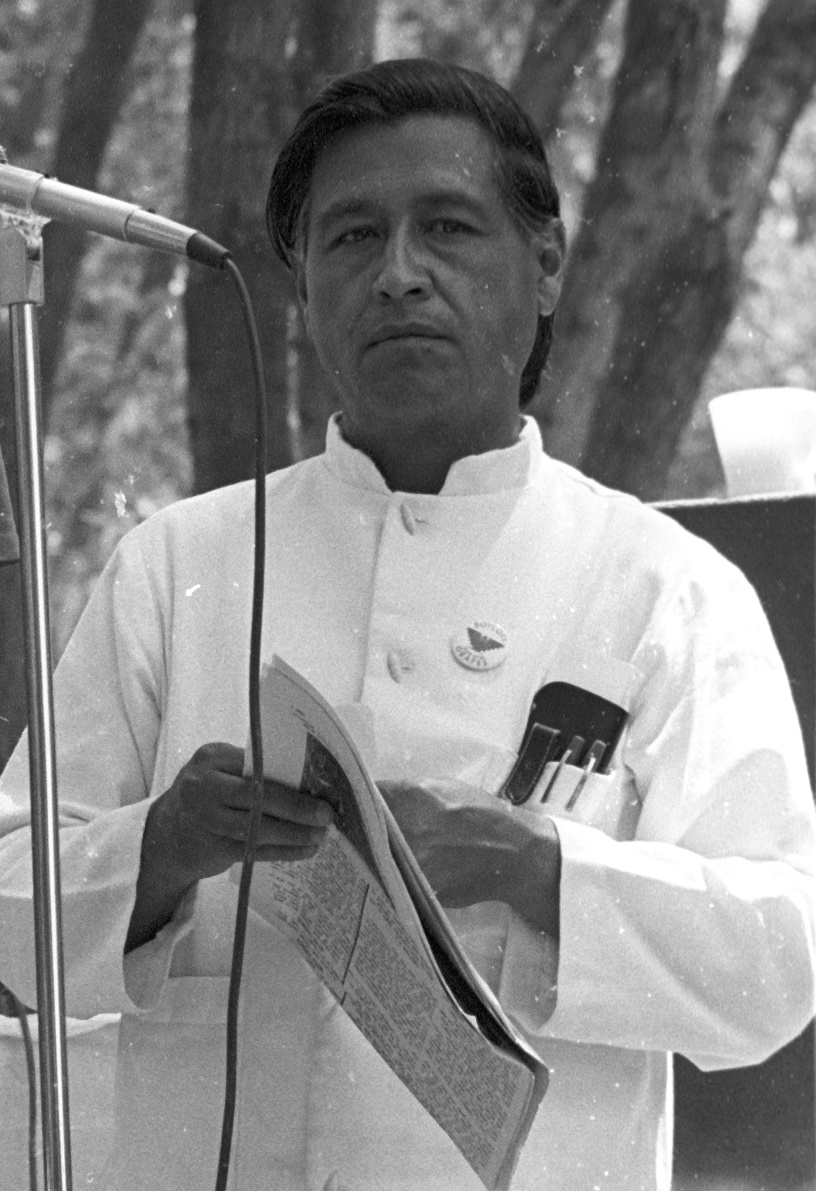
In 1966 the United Farm Workers, a U.S. labor union, was formed in California to fight for better wages, safer working conditions, and immigration reform for farmers, later known for its historic grape strikes and boycotts. For decades, Cesar Chavez has been remembered as a hero, a civil rights icon who fought tirelessly for farmworkers and helped build the UFW into a powerful force for justice.
Because of the union’s impact, Chavez became its public face, earning recognition through streets, schools, and even a national holiday, a heroic image that is now being reconsidered. However, recent investigations have forced the public to confront a far more complicated and deeply disturbing truth about him.
A 2026 investigation by The New York Times uncovered extensive allegations that Chavez sexually abused women and girls within the very movement he led. Survivors describe years of grooming, coercion, and sexual assault with some saying the abuse began when they were minors.
This is not just a historical footnote. It is a moral reckoning.
For too long, powerful figures have been shielded by their reputations. Chavez’s status as a beloved leader may have contributed to a culture of silence, where victims felt unable to speak out for fear of damaging a movement they believed in.
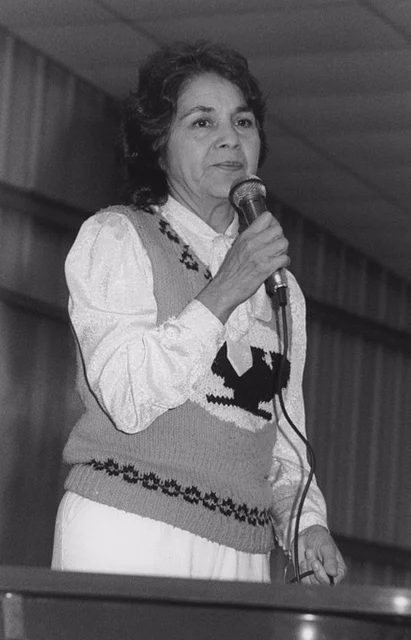
Even prominent activist Dolores Huerta, a co-founder of the union, has now come forward, stating she endured sexual violence and remained silent for decades to protect the cause she has fought for.
Her silence speaks volumes.
Sexual abuse is not erased by good deeds. It is not balanced out by achievements. And it is certainly not excused by legacy. The harm described by survivors, many of whom carried trauma for decades, demands to be acknowledged with seriousness, empathy, and accountability.

Across the country, communities are beginning to respond. In Providence, Rhode Island, officials are debating the fate of a Chavez statue. In Austin Texas, city leaders have started plans to rename a street bearing his name. These actions reflect a growing willingness to question how public figures are honored in light of new information.
Some argue that removing Chavez’s name risks erasing history. But this argument misses the point.
Confronting the truth is not about erasure, it is about doing what is morally right in honor of the women who suffered in silence while their abuser was openly praised. History should not be sanitized to protect reputations, especially when doing so ignores the voices of those who were harmed.
In fact, this moment presents an opportunity: to shift the focus away from a single figure and toward the broader movement. The fight for farmworker rights was never the work of one man alone. It was built by multiple organizers, many of them women and marginalized voices who have often been overlooked.
Most importantly, this reckoning reinforces a critical message: no level of power, influence, or admiration should shield someone from accountability for sexual abuse.
Believing survivors matters. Listening to them matters. And ensuring that their experiences are not dismissed or minimized matters most of all.
The legacy of Cesar Chavez is no longer a simple story of heroism. It is a complex, painful reminder that even those who fight for justice can cause harm, and that true justice requires confronting both.
Because honoring the truth is the first step toward preventing abuse from being hidden again.
The Arcades Take on: Cesar Chavez
The Arcade Editorial Board believes that no legacy should come at the expense of silencing victims. While Cesar Chavez played a significant role in advancing farm workers rights through the United Farm Workers (UFW), those contributions do not excuse the harm described by survivors.
We stand with those who have come forward and recognize the courage it takes to speak out, especially against someone so widely respected. Their voices deserve acknowledgment, not dismissal.
At the same time, the farm worker movement itself remains important and should continue to be honored—alongside the many individuals, particularly women and marginalized voices, who helped build it and have often gone unrecognized. The farmworker movement remains vital and worthy of recognition, but honoring its history must include honesty about its leaders.
History is not one sided. It carries both progress and harm and it is our responsibility to acknowledge both. Ignoring one side only continues a cycle of silence. A legacy should never come at the cost of silencing victims. By confronting both the achievements and the harm, we create space for survivors to share their stories while still recognizing the broader movement they helped build—and that is what real justice looks like.
The Arcade Editorial Board supports confronting these truths and believes accountability and honesty are necessary in order to move forward.