CEOs have always struggled with optics. The gap between us is most likely minute, but if unified and compared to a man who oversees a billion-dollar enterprise, that gap would become astronomical.
The recognition of this divide isn’t a new idea; CEOs, for a long time, have been denounced for being the pinnacle of the bourgeoisie. However, the conversation around the contempt towards CEOs has never had a direct outlet beyond class-conscious circles until the internet came along. Now, suddenly, people are collectively making it known that they are dissatisfied with CEOs trying to bridge that gap by performing humanity.
The disdain also exists in times when CEOs are ultimately being themselves, which was made evident by users online after a moment relating to a CEO caught traction and became a meme.
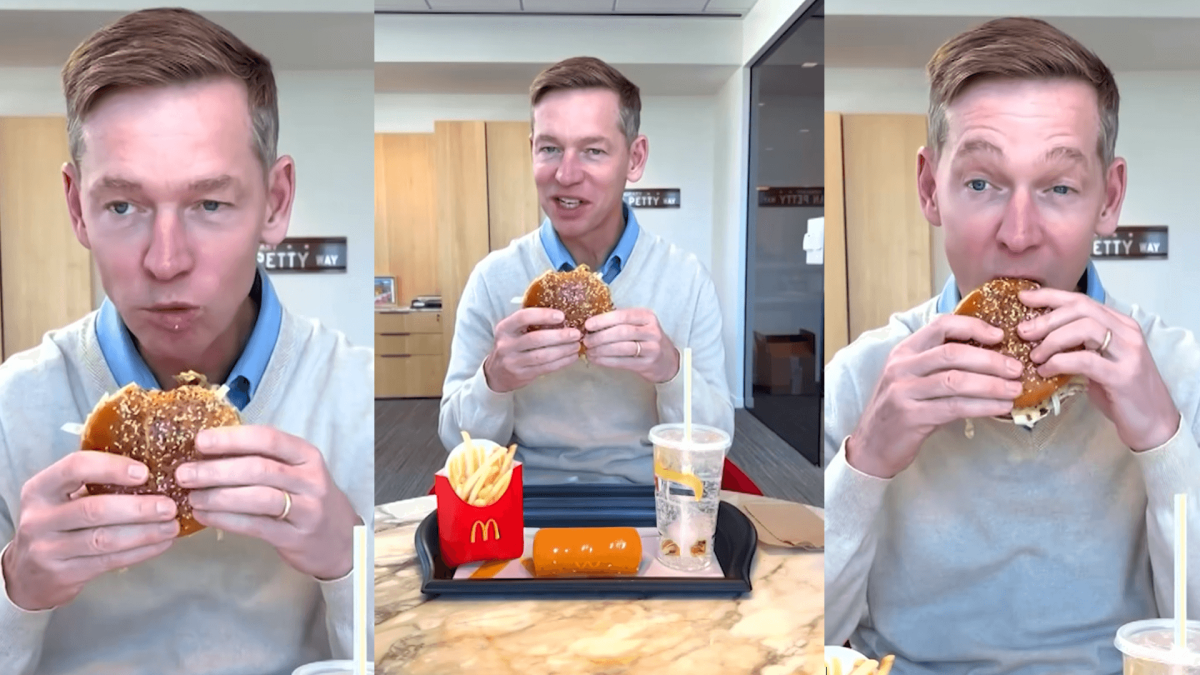
The discourse involves Chris Kempczinski, the CEO of McDonald’s, who also goes by Chris K. online. Recently, the internet has taken to attacking his character after he posted a video that seemed way too awkward for what should’ve been a simple PR move.
In the video, titled “Chris K. Taste Tests the Big Arch™,” Kempczinski films himself doing a tasting of the Big Arch, a new item on the McDonald’s menu in the United States. The video was uploaded onto Kempczinski’s LinkedIn and was then subsequently reposted to other platforms, including X, TikTok, Instagram, and Reddit.
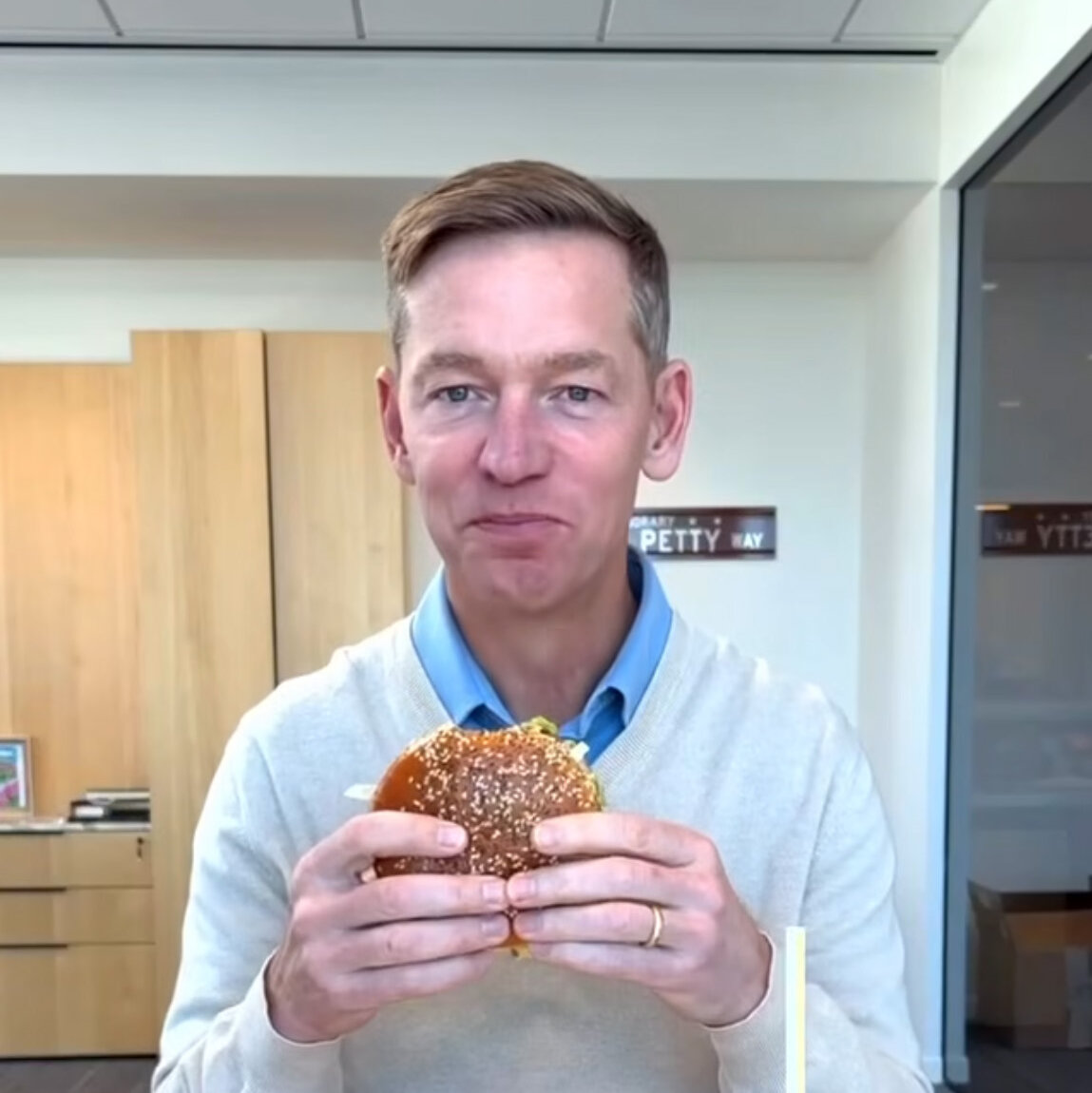
The internet’s response to Kempczinski’s video has been negative, with many finding the video insincere and a contributor to the aforementioned gap between CEO and consumer.
Various parts of the video include Kempczinski demonstrating an alien-like demeanor toward the food. The standouts are Kempczinski’s indecipherable expression, the use of the word “product” as a descriptor for the burger, and, importantly, Kempczinski’s act of taking a mere nibble and then promptly passing it off as “a big bite for a Big Arch.”
His bite was nothing like what he made it out to be, and internet users quickly made their grievances known. Soon after, parodies, re-creations, and commentary short-form videos were posted in abundance by many users online.
Numerous corporate rivals also chimed in, including Burger King, Wendy’s, and Costco, all with their own videos of their CEOs trying their own food, each landing differently on the internet.
Burger King and Wendy’s sat in the middle ground with their take on the moment. A few voices online called it what it was: a CEO and his team creating reactionary content rather than trying to genuinely bridge any gaps, instead choosing to perform humanity. Overall, however, the response was largely positive, and the input was appreciated for its counterpoint against McDonald’s.
But interestingly, no other company has received as much praise as Costco did when its CEO ate the chain’s iconic $1.50 hot dog.
It’s worth noting that the CEO of Costco, Ron Vachris, has an extensive history with the company. He started off as a young adult, working a part-time job operating forklifts for Price Club in 1982, which would later become Costco.
Vachris is Costco’s third CEO in its forty-year history, and like Jim Sinegal, the previous CEO, he vows to keep the hot dog and soda combo at just $1.50. In 2025, Costco sold 245 million hot dogs while still maintaining the price they’ve had since the mid-80s. Meanwhile, the consumer price index reports a 3.9% rise in food-away-from-home spending in the US in the span of a year.
Costco also has a remarkably low employee turnover rate of just 8% and a high employee loyalty rating. Compare this to Walmart, which has an employee turnover rate of 70%, and the difference is night and day.
According to Business Insider, Vachris also actively responds to employee emails as well. He does all this and more while actively managing a company that is still growing. Meanwhile, McDonald’s faces slowed growth as data shows traffic from low-income diners dropping.
So while infrastructure, the internet, and wealth might seem like the culprit behind the division between us and them, it’s clear that the contempt isn’t innate. What the internet appears to want, more than relatability or relevance, is evidence that the person at the top hasn’t forgotten to consider the people at the bottom.