People grow up learning that stories have a beginning, middle and end, but what happens when the end stretches further and further away from sight?
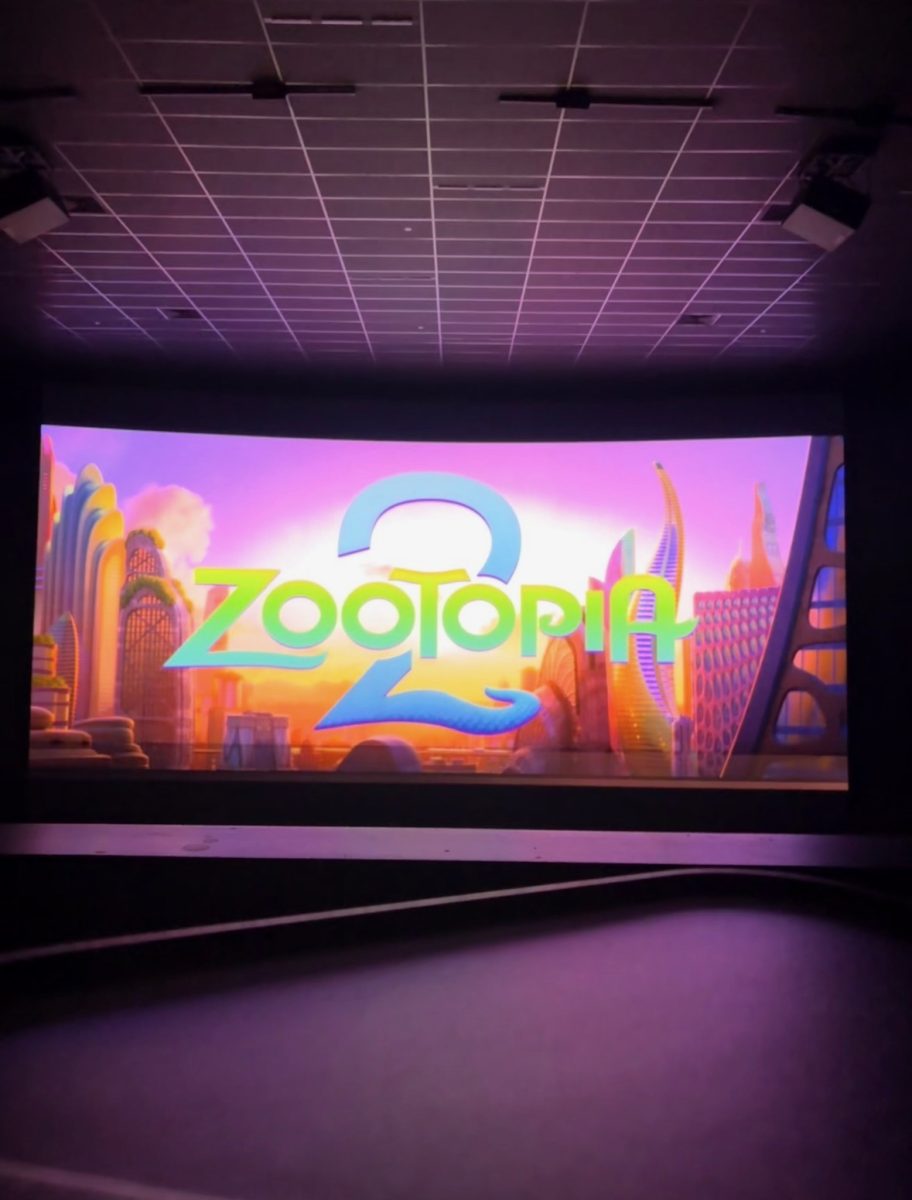
In the wake of the recently released movie, “Scream 7” (February 27, 2026) and upcoming sequels such as “Toy Story 5” (June 19, 2026) and “Spider-Man: Brand New Day” (July 31, 2026), movie watchers are seeing an industry shift from original content to the resurgence of tried and true fan favorites. This shift in Hollywood may lead many to wonder, what is a sequel and why are they more common than ever in 2026?
It’s not unusual to see a successful movie announce an upcoming sequel within the first 3 months after its release. A sequel—in the context of movies—is a film that continues the story of a previous movie, often expanding on pre-established worldbuilding or characters.
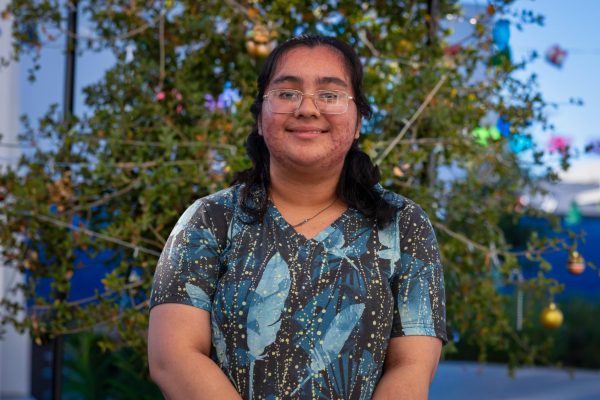
A recent example of a sequel is Scream 7, which was released in theaters on February 27, 2026. The movie follows the story of Sidney Prescott, played by Neve Campbell, who faces a new Ghostface killer targeting her daughter. “I honestly think [the movie] was really good,” explains HEA senior Amy Quintanilla.
One of her favorite parts about the Scream sequels is Sydney Prescott’s recurring character. “In Scream, Sydney Prescott, [is] still alive and she’s in every single [movie].” Quintanilla says, “I kind of look forward to… seeing at least one original character [from the original movie].” Her concluding thoughts are, “I don’t care if [future Scream sequels] get worse or if they get better, I’m still gonna watch [them].”
Sequels like Scream 7 are most commonly created because of their commercial viability. According to Business Insider, “Sequels regularly make more at the box office than the original movies.” Building hype off a pre-established audience greatly contributes to the high box office turnouts of sequels.
As a result, sequels can end up being very hit or miss amongst audiences. NHHS Video Production teacher Mr. Rondini explains that “If a movie does really well, then when it comes time to make the sequel…the budget increases.” This can open new possibilities in the production of the film, such as better casting and special effects, which may result in a better movie.
On the other hand, some sequels are created solely in hopes of making profit. Mr. Rondini explains that “There was a movie in the 90’s called ‘The Mask (1994)’ with Jim Carrey and Cameron Diaz…[it received] a sequel [called] ‘The Son of The Mask (2005)’… but [the sequel] didn’t have any of the original actors.” Without the original starring actors, fans were left disappointed and the sequel was considered a failure after it couldn’t earn enough in the box office to cover its production costs.
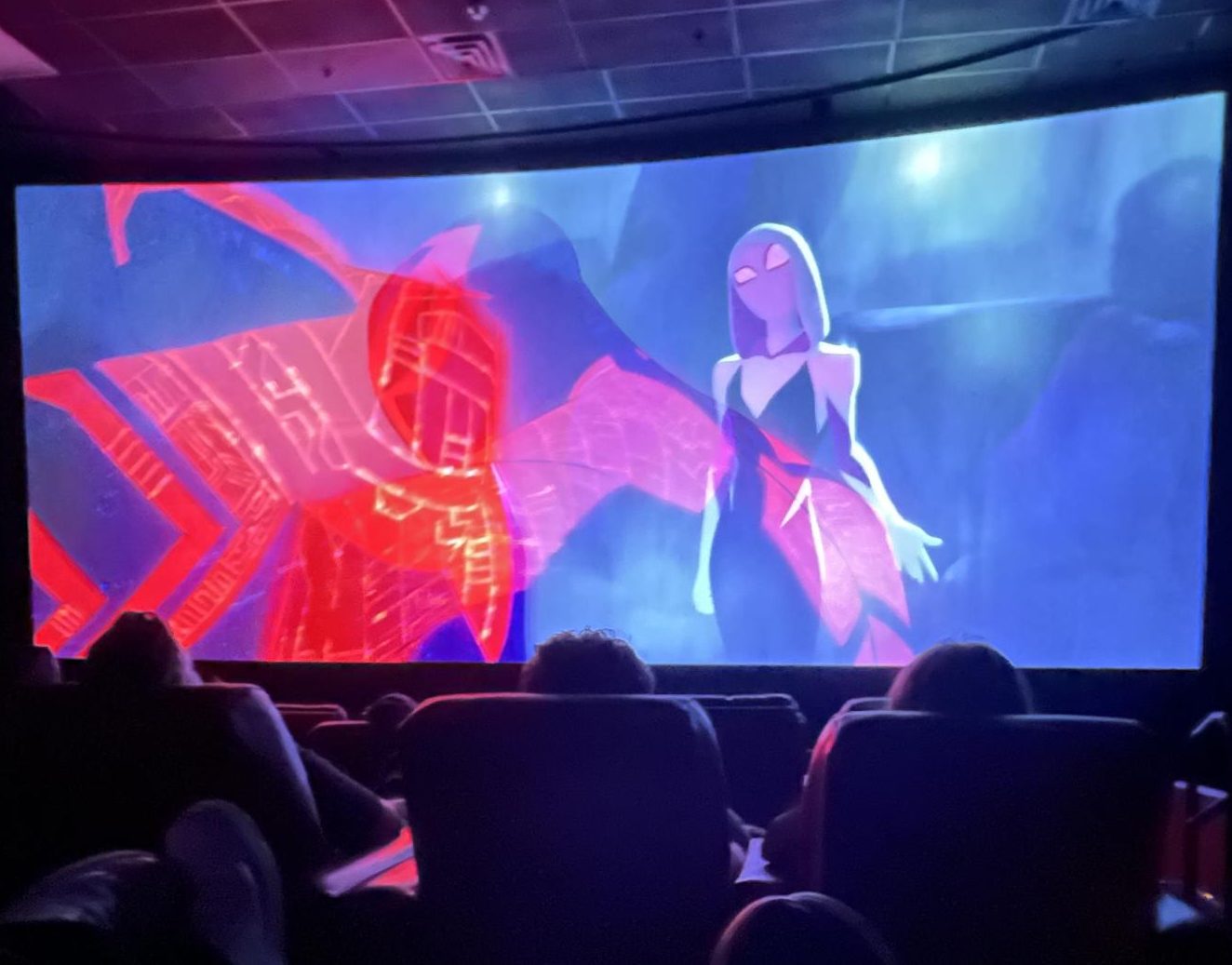
Ultimately, every movie franchise is different and the quality of sequels varies. Whether fans love it or hate it, one thing is known for sure, 2026 is full of sequels, a notable one being “Spider-Man: Brand New Day (2026).” STEM sophomore, Sunny Muñoz, explains, “I’m starting to get more into Spiderman… I just watched [a few of the] movies and…it seems really fun so I’m definitely anticipating that [sequel].”
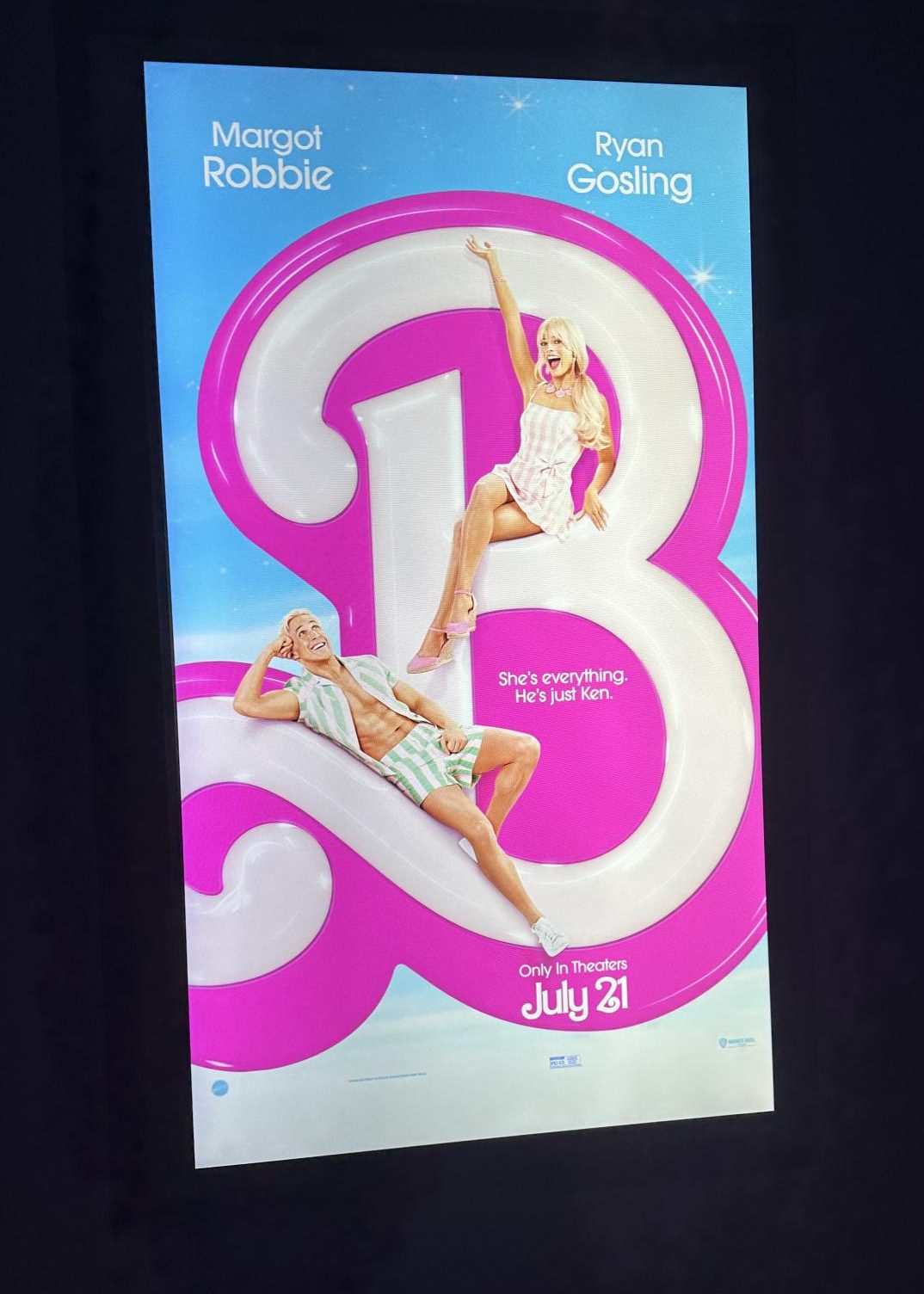
This positive reception for an upcoming sequel is matched with lesser enthusiasm for another, “Toy Story 5 (2026).” Muñoz says, “I think…[some animated films] have a tendency to drag on (when it comes to sequels.)” A movie Muñoz would prefer to see a sequel for would be “Barbie (2023)” as she says “I really loved the Barbie movie…I think it was amazing in itself as it is, but I think there is also more that can [be] done with it.”
Regardless, Hollywood is continuing to embrace both the financial safety of sequels and their ability to expand on previously established storylines. Although audience satisfaction greatly varies, the box office turnouts of sequels often don’t disappoint. The next time an original makes it big on the big screen, keep an eye on it because it may not be “THE END” for it just yet.