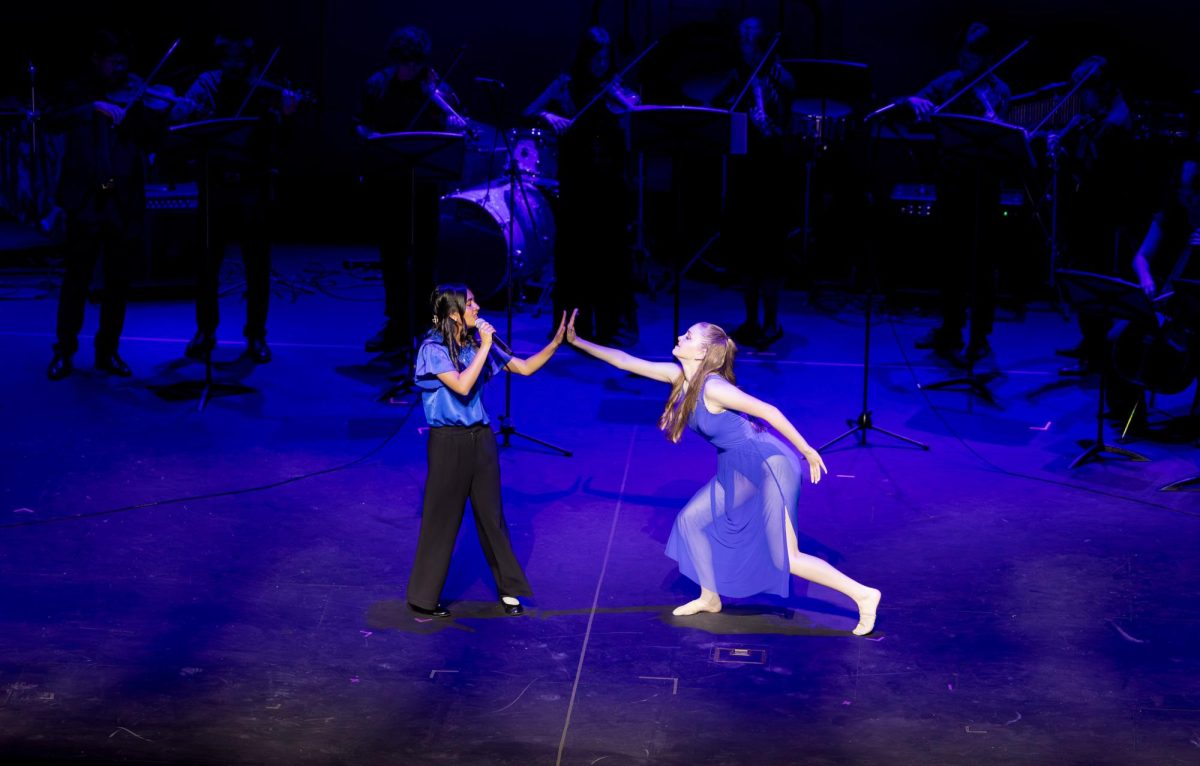
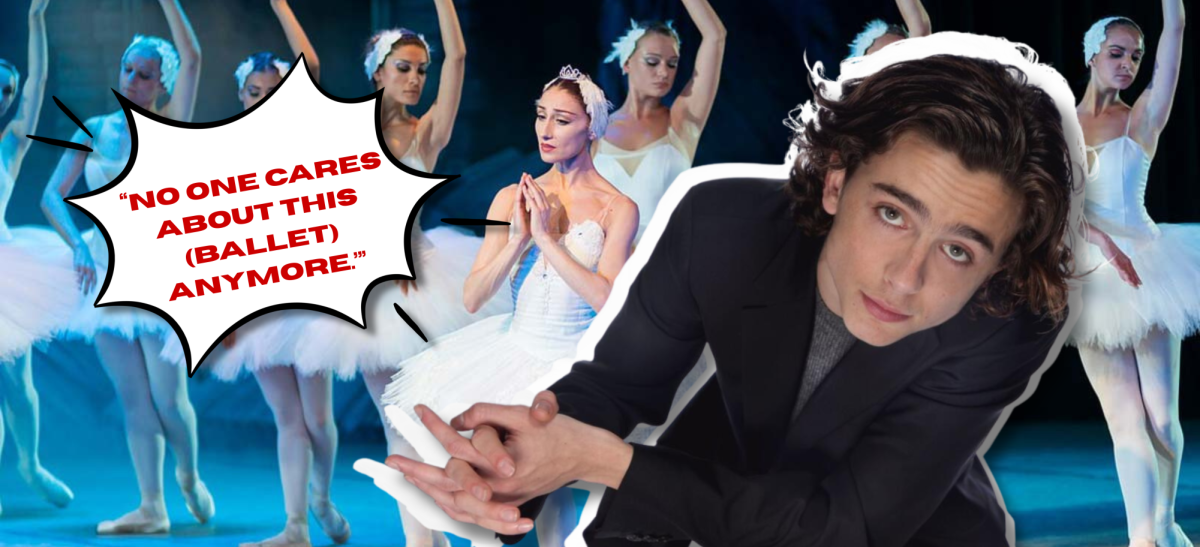
Opera has been around since the 17th century. Ballet has been around since the 16th century. Timothée Chalamet — who is big in the TV and film industries at the moment — has been around for 30 years and frankly, does not seem to respect these art forms. What are the hypocritical implications of his attitude toward them?
In recent weeks, Chalamet came under fire for his insensitivity toward the ballet and opera industries. In a late February interview with actor Matthew McConaughey on CNN and Variety, Chalamet commented on what he considers “dying” art forms: “I don’t want to be working in ballet, or opera, or things where it’s like, ‘Hey, keep this thing alive, even though like no one cares about this anymore.’”
Upon witnessing this moment on the internet, many engaged in discussion online, expressing their loss of respect for the “Marty Supreme” star — and not just angry Reddit users. Celebrities just like him have spoken about his ignorance as a fellow artist.
“Everything Everywhere All at Once” actress Jamie Lee Curtis viewed his comments as “silly” in an interview with The Hollywood Reporter: “I’m sorry that they’re going to be a bit of his legacy now. I’m sure he regrets the comment because you can’t throw those art forms under a bus. You can’t do it. They’re too important.”
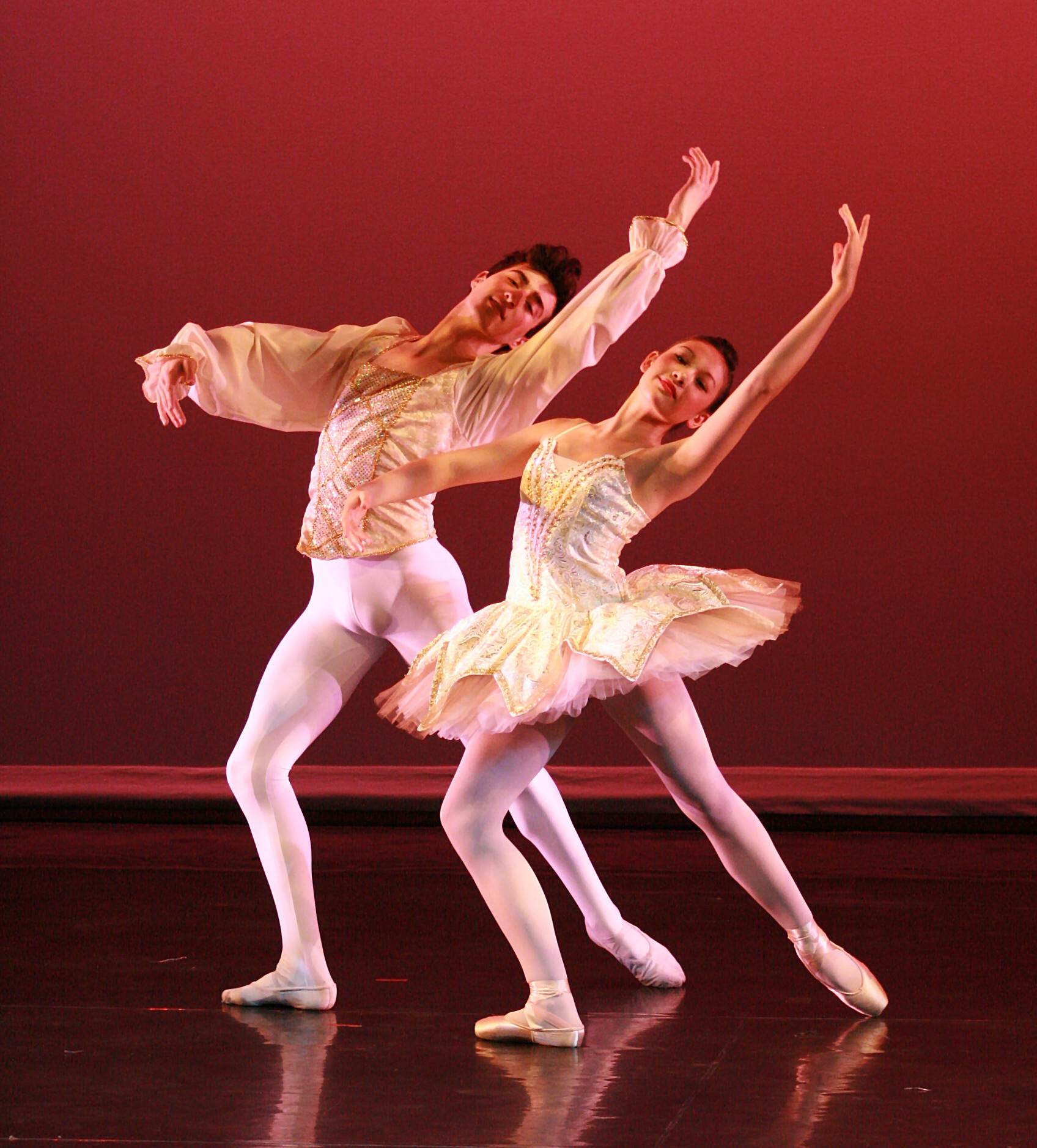
What Curtis said is true. The ballet and opera industries have existed for hundreds of years — successfully, for that matter — and have significantly influenced the arts too much for it to go to waste. Artists everywhere train for years in these crafts, whether to become professionals or prepare for paths in similar directions. Take Chalamet’s own family, for example. Both his mother and sister trained with the New York City Ballet as young girls before moving onto their current careers: acting. How unexpected of him to disparage the very pursuits that shaped these professions.
Those affected by Chalamet’s ignorance have even called him out directly for it. Italian opera tenor Andrea Bocelli spoke on the subject with People, stating that “opera and ballet are art forms that answer a deep need for beauty, truth, and emotion. They are not arts of the past, but living languages that can still move us, make us reflect, and bring different generations together.”
Bocelli, who has been blind since the age of 12, now 67 years old, is a perfect example of how one has found a great passion and purpose in supposedly “outdated” art forms such as opera. No matter the art form, humanity will always continue to be impacted by them.
In fact, a ballet rendition of the “Sinners” soundtrack was presented by esteemed ballet dancer Misty Copeland, to which Chalamet reportedly gave a standing ovation. Just a week before, Copeland had bashed Chalamet for his comments when speaking at a panel for an Aveeno event: “First, I have to say that it’s very interesting that he invited me to be a part of promoting ‘Marty Supreme’ with respect to my art form.”
Although she did not deny ballet’s lesser popularity, she clarified that it’s “often mistaken when something is popular that it’s meaningful or more impactful, [but] there’s a reason that the opera and ballet have been around for over 400 years.”
She then went on to speak on Chalamet’s merit as an actor: “I mean, he wouldn’t be an actor and have the opportunities he has as a movie star if it weren’t for opera and ballet in their relevance in that medium… All of these mediums have a space and we shouldn’t be comparing them.”
Interestingly, an occurrence has also surfaced on the internet involving actor Tom Holland regarding the ballet topic. He and Chalamet have crossed paths before; both young, eager up-and-coming actors at the time, they auditioned for the role of Peter Parker/Spiderman for the 2017 Marvel Studios movie “Spiderman: Homecoming.” It was ultimately the then-19-year-old Holland who was given the role for his background in ballet and acrobatics.
It’s ironic that Chalamet calls ballet and opera “dying art forms” when his entire artistic career has been surrounded by them. All performing arts — whether it’s ballet, opera, theatre, film — come from a shared passion for human emotion and creativity. None of their importance should have to rely on their relevance in society or popularity in the media. They are all still art.
In the same interview with McConaughey, Chalamet then went on to say, “All respect to all the ballet and opera people out there. I just lost 14 cents in viewership.” With all due respect, it already seems it’s been more than just “14 cents.”
This year’s Academy Awards was a rough one for the actor. From Conan O’Brien’s subtle mockery to a full loss of the “Best Actor” award to “Sinners” star Michael B. Jordan, Chalamet faced quite the public humiliation; it’s no surprise that the ballet and opera comment cost him his image as a fellow artist. On top of that, “Marty Supreme” entirely won zero Oscars despite receiving nine nominations this year.
Timothée Chalamet has yet to explore the world of performance. He has incredible artistry in film and television, yes, but none of it will shine if he does not understand how to respect fellow art forms.