![A look at Laufey’s cheongsam as she engages in a fictional photoshoot with Hudson Williams in the “Madwoman” music video. [Source: YouTube, Laufey’s “Madwoman”]](https://nhhsarcade.com/wp-content/uploads/2026/05/image-1200x669.png)
Jazz-pop star Laufey has once again enlightened the music industry with the release of her new music video, “Madwoman.” Her continuous cultural breakthroughs, from song to album to artistic identity, have been met with praise from the internet since her popularity skyrocketed in 2020.
“Madwoman” is certainly no exception. With already a still-climbing 17 million views on YouTube, Laufey’s new single made it to the platform’s United States “Top 30s” chart on the week of its release.
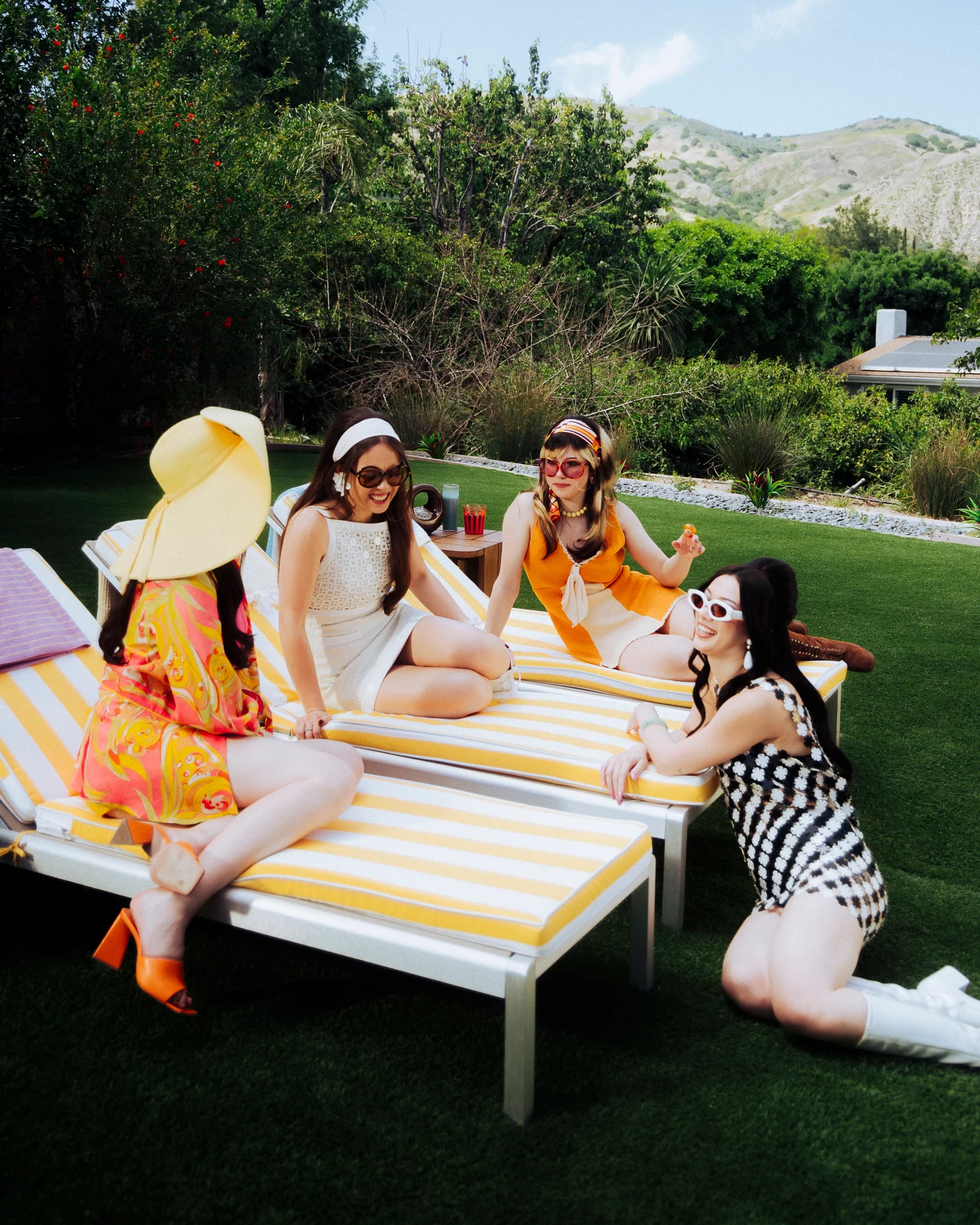
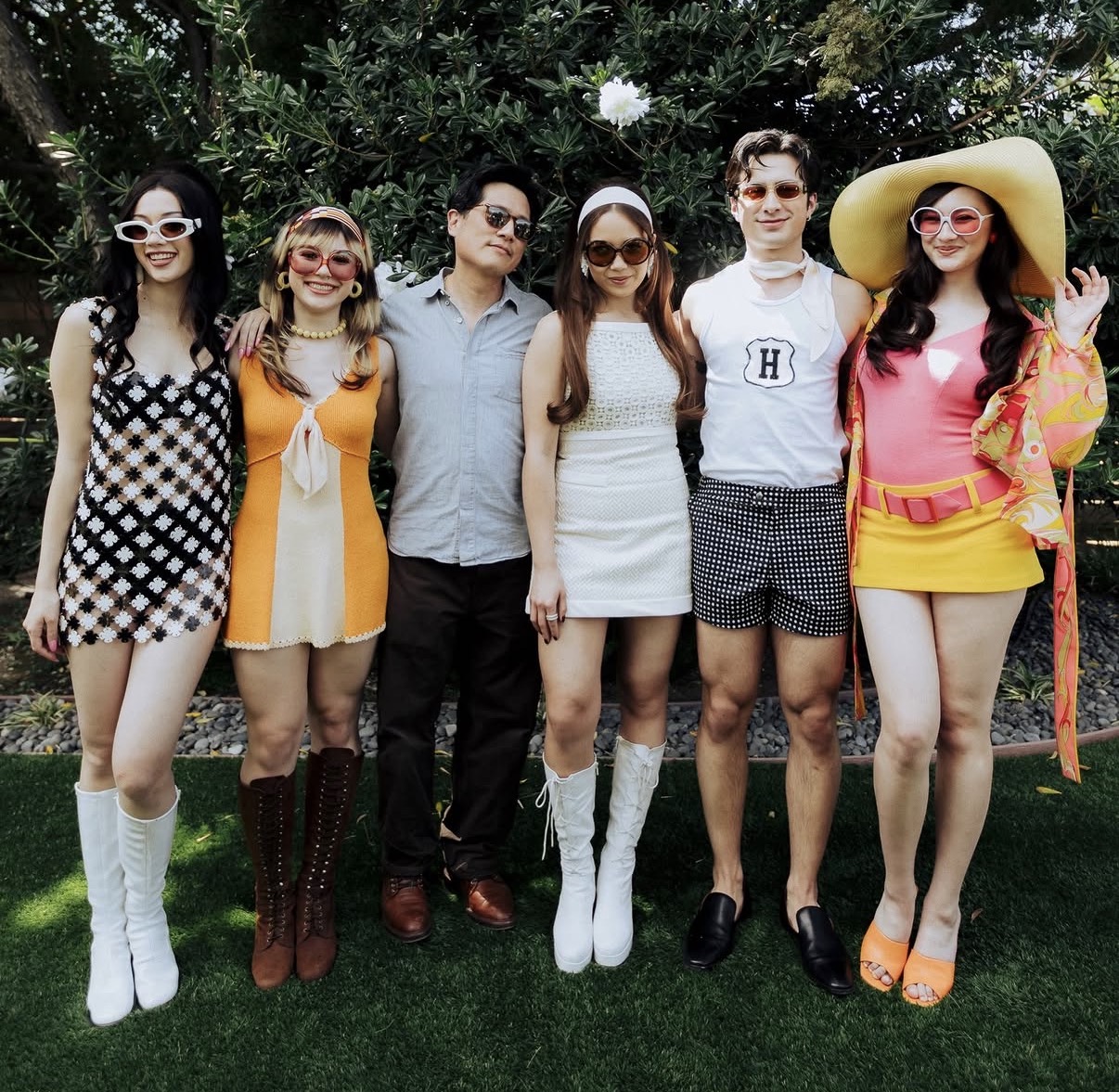
In March of this year, the young jazz sensation brought together current pop culture icons — including herself — into a glamorous ‘70s-inspired set to film what would become a burst of cultural recognition all over social media.
Laufey’s shining cast summoned fandoms to a single experience that left them star-struck: up-and-comer “Heated Rivalry” actor Hudson Williams, Olympic figure skating champion Alysa Liu, “The Summer I Turned Pretty” star Lola Tung, and global girl group KATSEYE’s Megan Skiendiel.
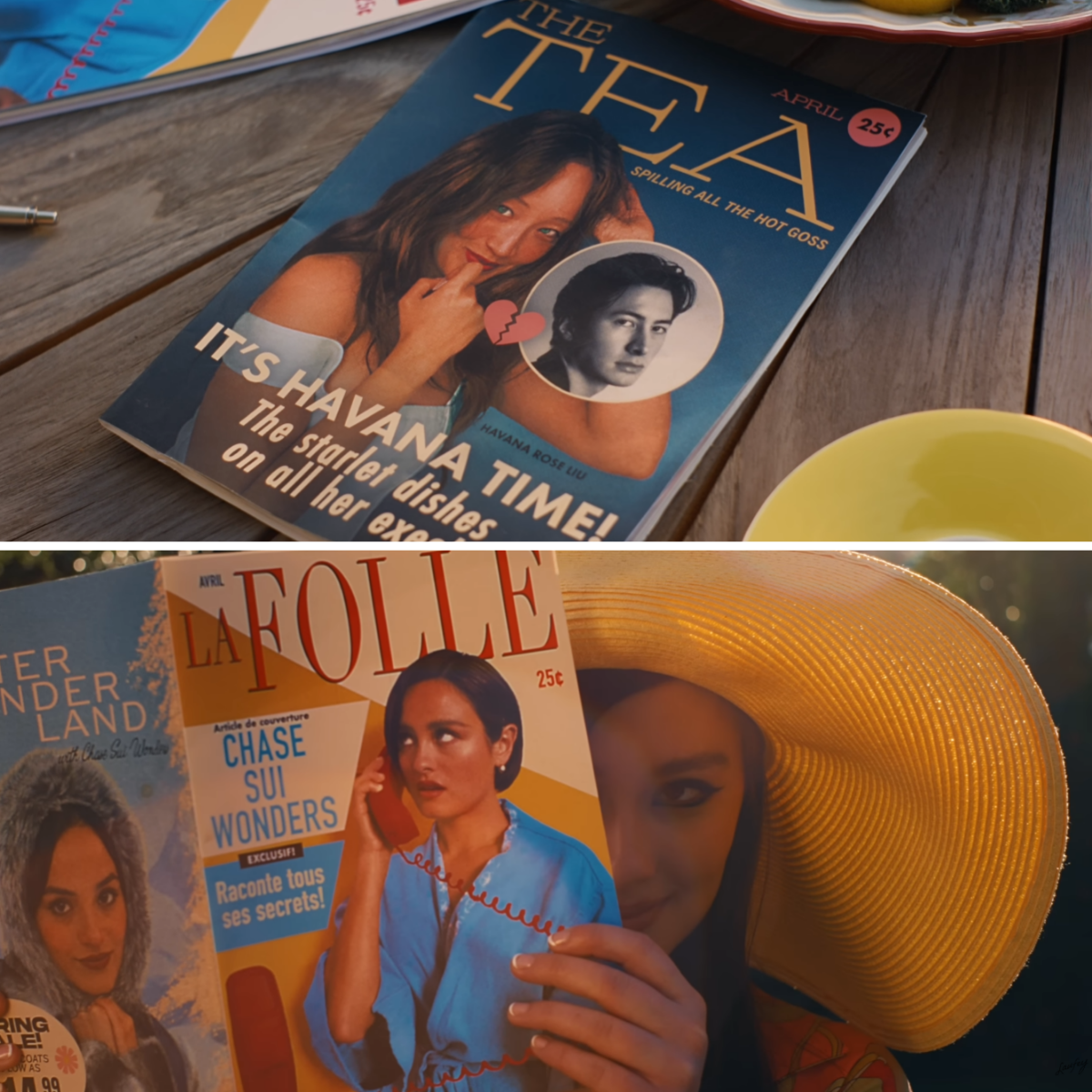
Released on Apr. 13, the “Madwoman” music video quickly gained attention online for its creative visual direction. Poolside gossip, dazzling colors, just almost over-the-top costume design, and dramatic camerawork; it seems like something straight out of a “WandaVision” episode from the ‘70s. It wasn’t only its aesthetics that appealed to viewers, though; it was more so its significant representation of Asian faces — particularly those with mixed Caucasian heritage, or as the internet has called it, “Wasian” identity.
SAS junior Kate Anderson commented on Laufey’s brilliance in including such cultural representation in her music video:
Seeing such a demographic thrive in a single five-minute video has never been more inspiring to those who are a part of that very identity. But “Madwoman” has seemingly charmed all viewers with its societal awareness.
HGM junior and avid Laufey fan Anthony De La Rosa interpreted the intentions of “Madwoman” to uplift the White-Asian community, stating that “being represented isn’t just about seeing someone who shares a background with you, but also seeing them successful and happy in a place where [stereotypes and cultural obstacles may have previously blocked them from.]”
The Asian creative demographic was recognized behind-the-scenes as well. With a majorly Asian and Asian-American production team, “Madwoman” was able to come to life with all of its full intentions. The inclusion of bamboo dumpling steamers alone in the first shot of the video is enough to communicate the essence of Asian identity — a detail the artist no doubt encouraged. Laufey additionally appears in a cheongsam (a type of Chinese dress), and Skiendiel in a jade bracelet, which are staples to Chinese culture.
Past minority appreciation, Laufey continues to bring new insight into the music industry through her own innovations, which many have grown to acknowledge and enjoy. With her signature style of contemporary pop swirled with jazz and bossa nova, nostalgic genres are making a comeback; Laufey has reached listeners of diverse ages, albeit primarily Gen Z, by virtue of her creativity.
De La Rosa was originally not quite familiar with jazz, but Laufey changed his perspective. “[She] introduced me to the genre. [Jazz] definitely deserves more recognition than it gets so it’s great to hear that many others are also expanding their [musical surroundings] through Laufey and are getting more into it.”
Having a figure of mixed ethnic identity be the savior of a niche music genre is something of a social identity dream, yet Laufey has captured it in a single, almost six-year career. The “Madwoman” music video alone breaks conventions in the way a film does: cultural recognition, fresh setting, and musical innovation.