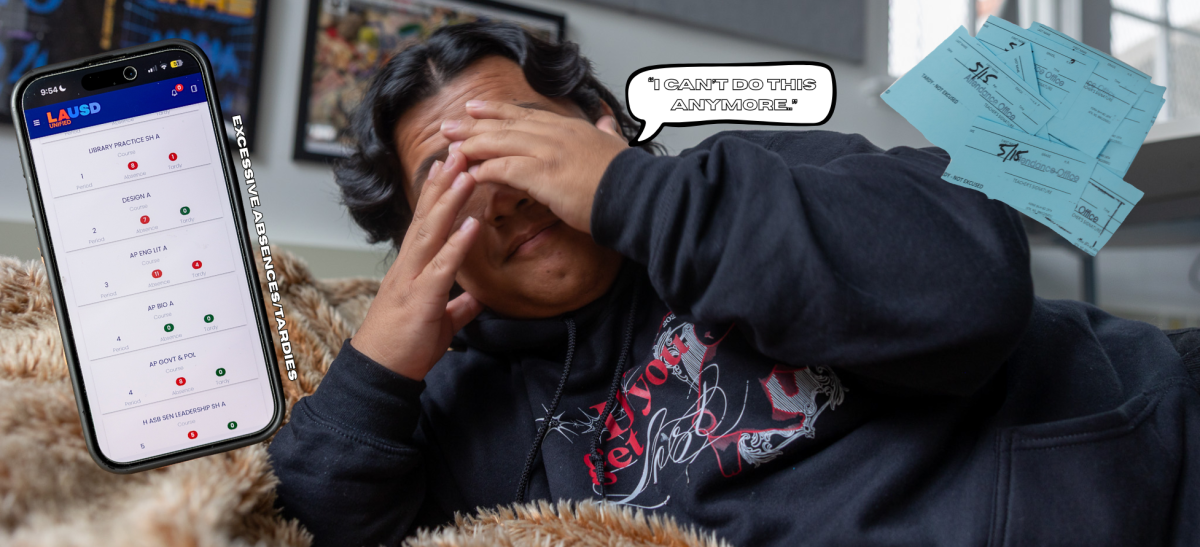

By the time Harper Latsch gets home from softball practice, it’s already 7 p.m.
The 11th grader in the ZOO Magnet spends two hours at practice almost every weekday. On top of that, she participates in theater, adding three-hour rehearsals during show weeks. Dinner comes first for her, and homework doesn’t begin until around 8 p.m. “I try to go to bed around 9:30,” Latsch said. “Usually it ends up being 10:30 or 11, and I wake up at 5 a.m. every day.”
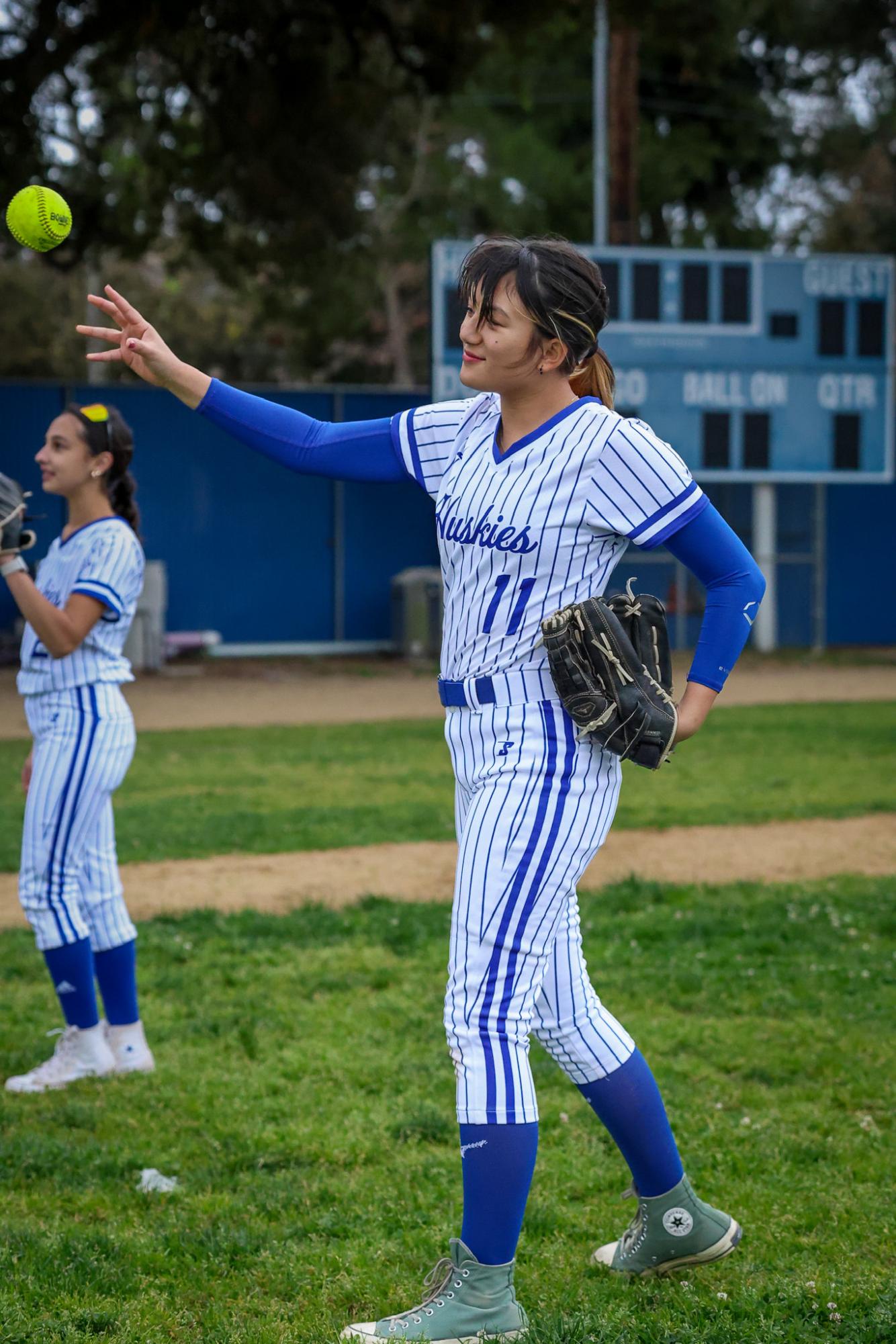
Between softball and theater, she estimates she spends about 13 hours a week on extracurricular activities. “It doesn’t feel like that much,” Latsch said. “I think it doesn’t feel that way because you get used to it — and I enjoy it.”
Behind the routines of practices, rehearsals and schoolwork, many students describe a similar experience: balancing the things they love with the constant pressure of time, sleep and expectations.
Involvement can mean late nights, difficult choices between academics and commitments, and learning how to manage responsibilities that sometimes feel overwhelming. Yet despite the exhaustion, many students say they would still choose to stay involved. Across campus, many students balancing extracurricular activities describe similar routines, but for some, that pressure comes not from late night practices or rehearsals, but from leadership roles that carry their own responsibilities.
For Truman King, the pressure of involvement doesn’t come from sports or rehearsals; it comes from management and leadership. The 11th grader in the SAS Academy serves as vice president of the Junior Student Council while also participating in various other leadership groups outside of NHHS.
His days are often filled with meetings, tutoring, and hours of homework after school.
By the time he gets home, the exhaustion from the day begins to set in. “Coming off the school day, I feel like I’m using all my energy to just get to the next period and get to the next period so forth, and then you get home and all you want to do is just bed rot, and just be on your phone for the rest of the day.”
During the fall semester, he said the pressure of managing multiple commitments began to take a very heavy toll on his mental health. “I experienced a lot of burnout in the first semester,” King said. “It was really hard for me, even at a point, to do schoolwork at all honestly. When I got home, there was just too much happening and my brain was overwhelmed.”
Though despite the stress, King states his passion for leadership is something that never disappeared. For him, leadership isn’t just about organizing events or running meetings; It’s about seeing the impact those efforts have on other students. “I just..love leadership,” King said. “I love making the events as best as possible, I love advertising them, I love hosting them, and I love improving future events when we get feedback from others.”
The late nights and extra responsibilities are part of creating something other students can enjoy, and for him, that’s all that matters. “When people enjoy your work,” he said, “it’s like giving gifts on Christmas.”
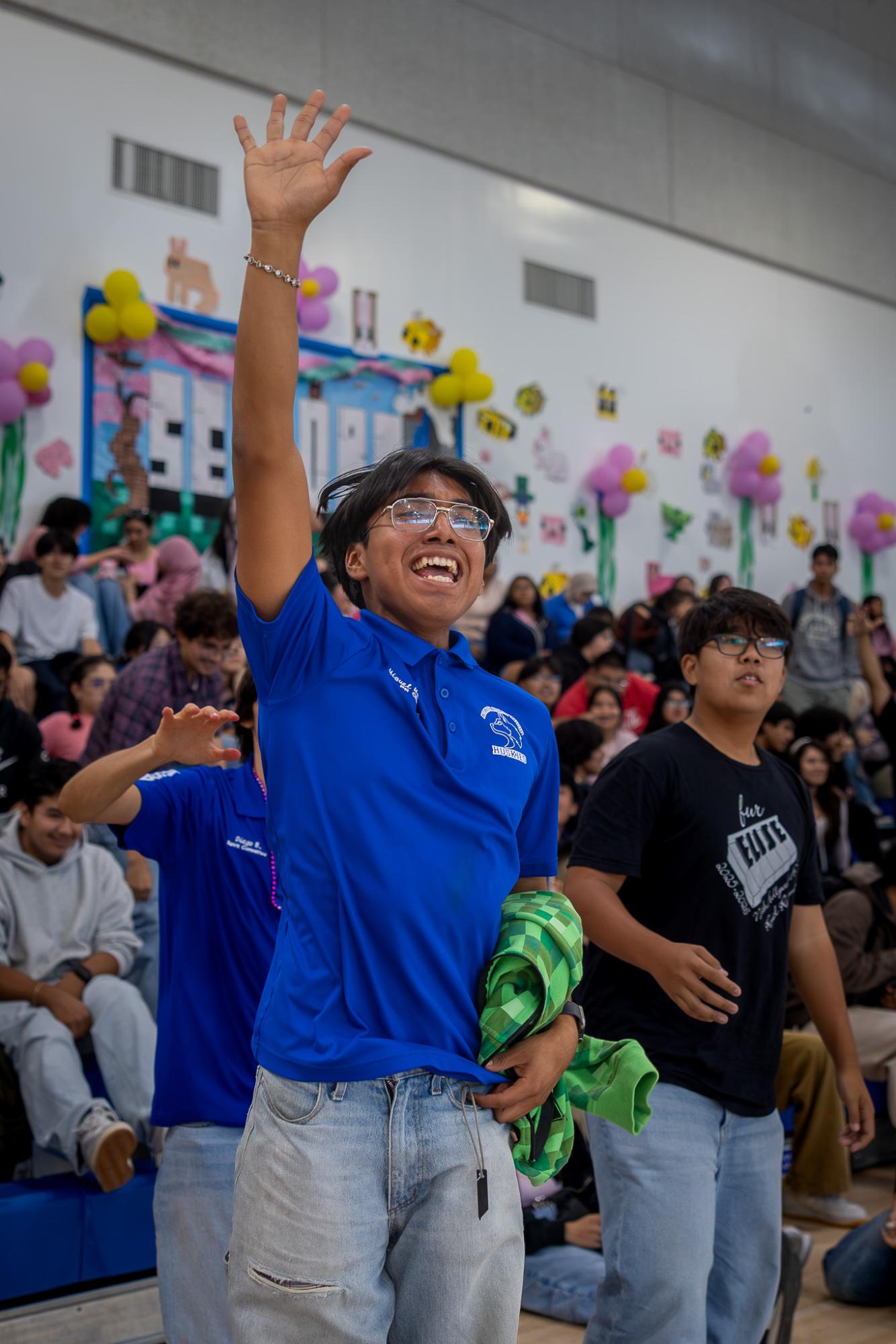
While leadership responsibilities can bring pressure and burnout, for others, it comes from a love for what they do. For Miguel Martinez, that love began with a camera. Martinez, a senior also in the SAS Academy, serves as one of the chairs of public relations in ASB. This is where he helps promote school events through videos, photos and digital posters. Much of that work happens after school, when he spends hours editing content and preparing it to be shared with students.
“Sometimes I’ll be there doing it until 11ish or 12ish,” Martinez said. Even with the long hours, Martinez says the work rarely feels like a burden. “I sacrifice… everything else just to do that,” he said. “But I like it. I don’t ever see it as a bother.”
Some students stay involved not because they feel obligated, but because they genuinely love what they do. But his involvement didn’t start as easily as it might seem. “So I tried out 9th grade for PR and I didn’t get in, but I tried again the next year, and I got in.”
“I kind of had a vision of how I wanted PR to be even when I wasn’t in leadership,” Martinez said. His interest in video and editing started long before his high school journey even began. “Ever since I was little, I would film little videos and upload them online,” he said. “That’s kind of how I learned how to edit and I guess it made me become who I am right now, it was never about college apps, it was always because of your passion.”
Though passion can ultimately be rewarding towards students involved, others acknowledge that the commitment required can be just as demanding. For student Eldai Orozco, an 11th grader in the ZOO Magnet, involvement means balancing music, competitions and academics. Orozco participates in Marching/Concert Band and Academic Decathlon, activities that often extend beyond the normal school day and into many evenings and even weekends.
“I feel like people don’t understand the hours you put into it,” Orozco said. “Like the late nights… on Friday night games we stay at school until 11, and competitions can take up entire Saturdays past midnight.” Managing many activities and tying in school life can easily become overwhelming for Orozco, “They don’t usually understand the commitment to when it comes to the time it takes out of your life and then on top of that still being a student and still having to ace tests, to ace those assignments and pop quizzes.”
Even with the demanding schedule, Orozco says she continues to stay involved because of the

connections she’s built along the way. “I feel like in band the friendships you make aren’t the same,” she said. “Since we’re together a lot, we really see the true colors of people we’re with.”
Still, balancing activities with academics can come with difficult trade-offs. If she hadn’t joined band or Academic Decathlon, she believes some parts of school might have been easier. “My grades would most likely be a lot higher,” she said. “My time management would be so much easier compared to how it is currently.” But despite the late nights and added pressure, Orozco says she would still make the same decision again if she had the choice to. “Oh 100 percent,” she said when asked if she would join again. “I would still want to do it anyways.”
Despite their different schedules and responsibilities, the students interviewed shared a similar reality: balancing academics, activities and personal time is rarely easy. Late practices, leadership meetings, editing sessions and weekend competitions can often leave students feeling exhausted. But even with the pressure, many say the experiences and connections they gain make the challenges worthwhile.
For Latsch, the most important thing is remembering to slow down when things become overwhelming. “Stop stressing out,” she said. “Just find time for yourself and do things that genuinely make you happy, because high school is stressful enough.”
King said remembering why you started can make the difference when responsibilities begin to pile up. “You have to remember you’re not doing it for anyone else — you’re doing it for yourself,” he said.
With Martinez, passion has always been the reason he stayed involved in the first place. And for Orozco, the friendships and experiences built through activities are what make the sacrifices worthwhile.
For them, being involved isn’t just about staying busy. It’s about discovering what matters most and growing along the way. Schedules might be packed, and nights may be long, but the experiences students gain often last far beyond high school.