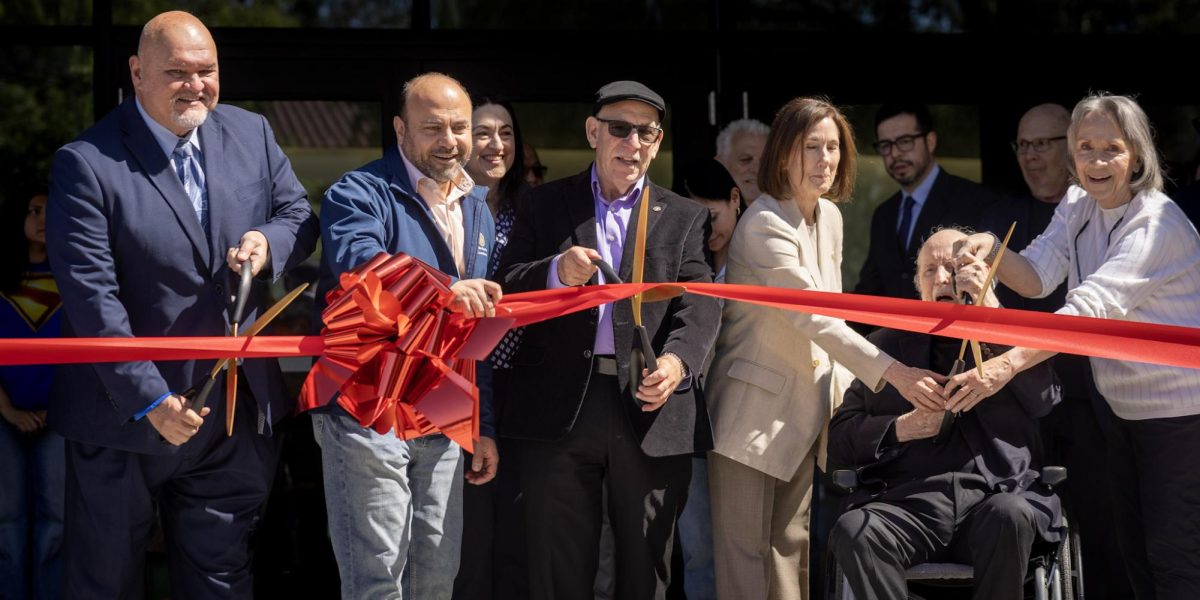
Zoo Magnet students—informally known as “Zoo kids” to many—bring a lot of diversity to North Hollywood High School. The Zoo Magnet, a small learning community within North Hollywood High School, is known for its close-knit environment and animal-focused curriculum. It is located on a remote campus near the L.A. Zoo, and about three hundred students attend the school.
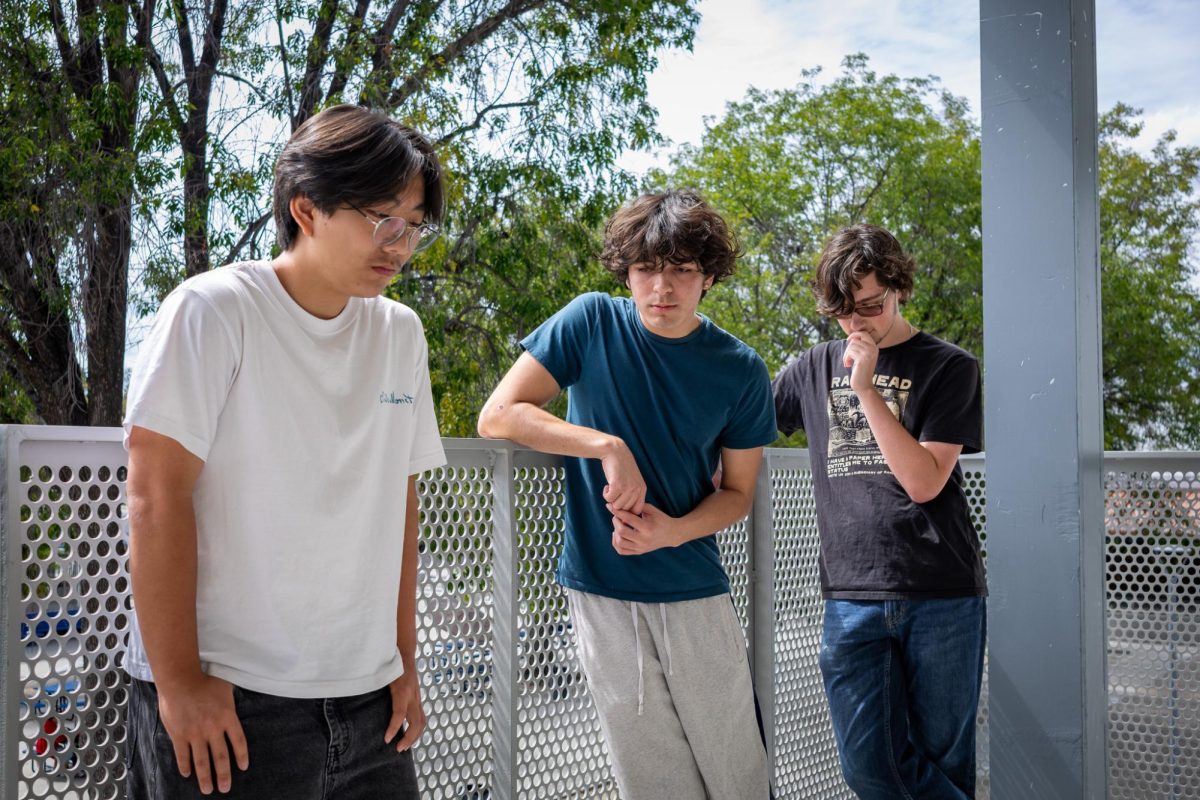
Sihyun Kim and Christian Ruiz-Miro, two sophomores at the main campus, say that the Zoo Magnet is interesting. “I think it’s great that North Hollywood is providing so many different kinds of programs,” Kim says, highlighting the distinctness of the Magnet. “I’ve heard people singling [Zoo kids] out because they’re different,” Ruiz-Miro comments. Both students expressed interest in bridging the gap. They note that although most main campus students are aware of the Zoo’s existence, few are acquainted with its people.
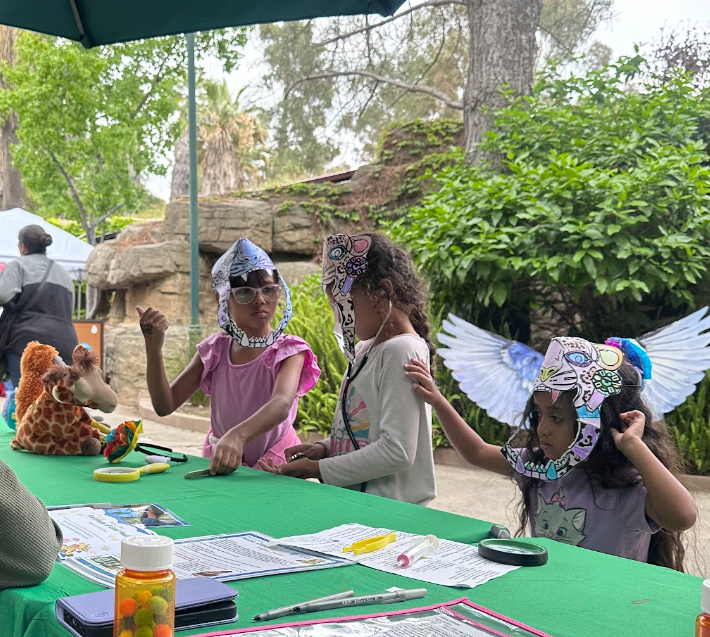
Zoo teachers play a central role in shaping the culture and environment of the Magnet. Coursework often integrates animal sciences into academic subjects. Ms. Narsico, an instructor at the Zoo Magnet for fourteen years, described a chemistry lesson in which “students did calculations on the energy reflected off the skin and integument of Zoo animals. The activity explored how birds and reptiles use guanine nanocrystals to scatter light and produce iridescence. Ms. Narsico frames abstract materials, such as chemistry, in ways students find engaging and relevant.
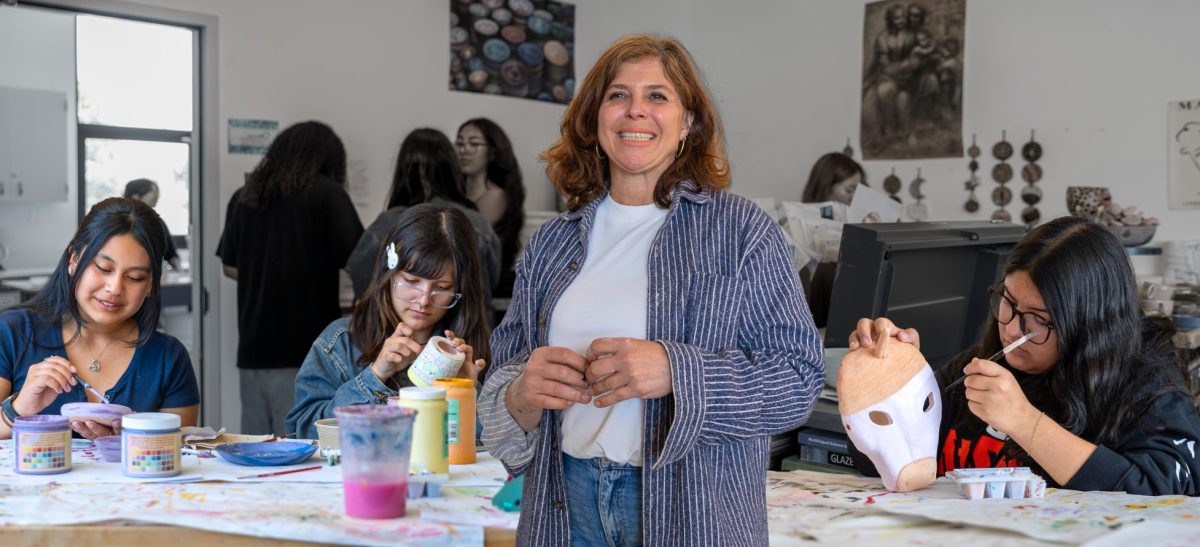
Similarly, in her five years at the Zoo Magnet, Ms. Flores has blended language, culture, and conservation into her curriculum. For Dia de los Muertos, her classes paint skeletal anatomy of colorful alebrijes, create paper flowers, and assemble an ofrenda. For Dia del Niño, they read bilingual children’s books at elementary schools and at theZoo. Instead of memorizing vocabulary, students practice Spanish in places that extend beyond the classroom.
Two newer teachers, Ms. Wu and Ms. Gharabegi, both cite their transitions into the Zoo Magnet as adjustments, mainly due to the schedule differences. “Everybody is very welcoming, so I feel accepted,” Ms. Wu says. This welcoming culture of the Zoo campus really came out when students hosted a gender reveal party for Ms. Wu’s child, as she’s pregnant with a baby girl.
Ms. Gharabegi, who started teaching at the Zoo Magnet for last year’s second semester, has better begun adapting her curriculum to the Zoo Magnet students’ interests. She says that generally Zoo kids like “data, statistics and environmental issues,” and she strives to keep students up to date on information.
From calculating chemical energy of animal cells to bilingual storytelling at the Zoo, every educator at the Zoo Magnet brings creativity and passion to the classroom. Their personalities and teaching styles not only make the program academically distinctive, but also individually memorable to students.
There are a myriad of different Zoo kids, despite the universal “Zoo nerd” stereotype that’s often associated with them. Enrollment data gives more context to the school’s diverse population. About 58% of students identify as female, 41% of students identify as male, and around 1% identify as non-binary. Ethnic distributions show that around 51% of students are Hispanic, followed by 32% white students. Smaller proportions comprise 4% of African American students, 4% of Asian students, 1% Filipino, and less than 1% Pacific Islander. 6% of students identify as multiracial, and 2% are unreported.
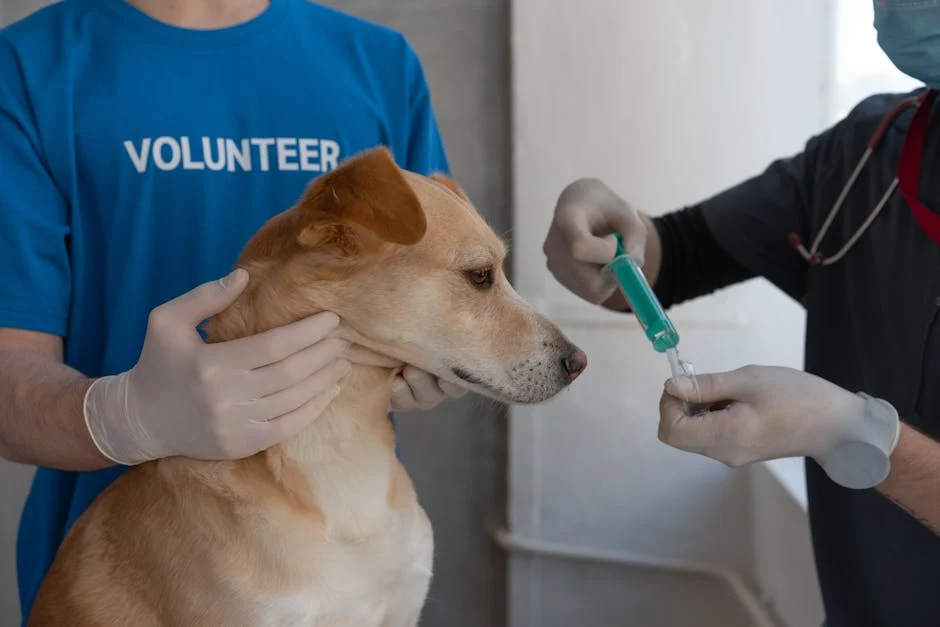
Despite this variety in students, most outsiders assume that all Zoo kids want to be in animal science fields. Link Tiesiera, a freshman at the Zoo Magnet, exemplifies this assumption, as she wishes to go into veterinary medicine. “I heard about the Zoo Magnet from the animal science teacher at my middle school and it sounded like a perfect opportunity to get more experience with animals,” Tiesiera says. Her passion for animals started at a young age, so she wishes to eventually take the husbandry program offered at the Zoo Magnet.
While the main reason people apply to the Zoo Magnet is certainly due to their interest in animals, it is not the sole factor. Many students come from different backgrounds and circumstances.
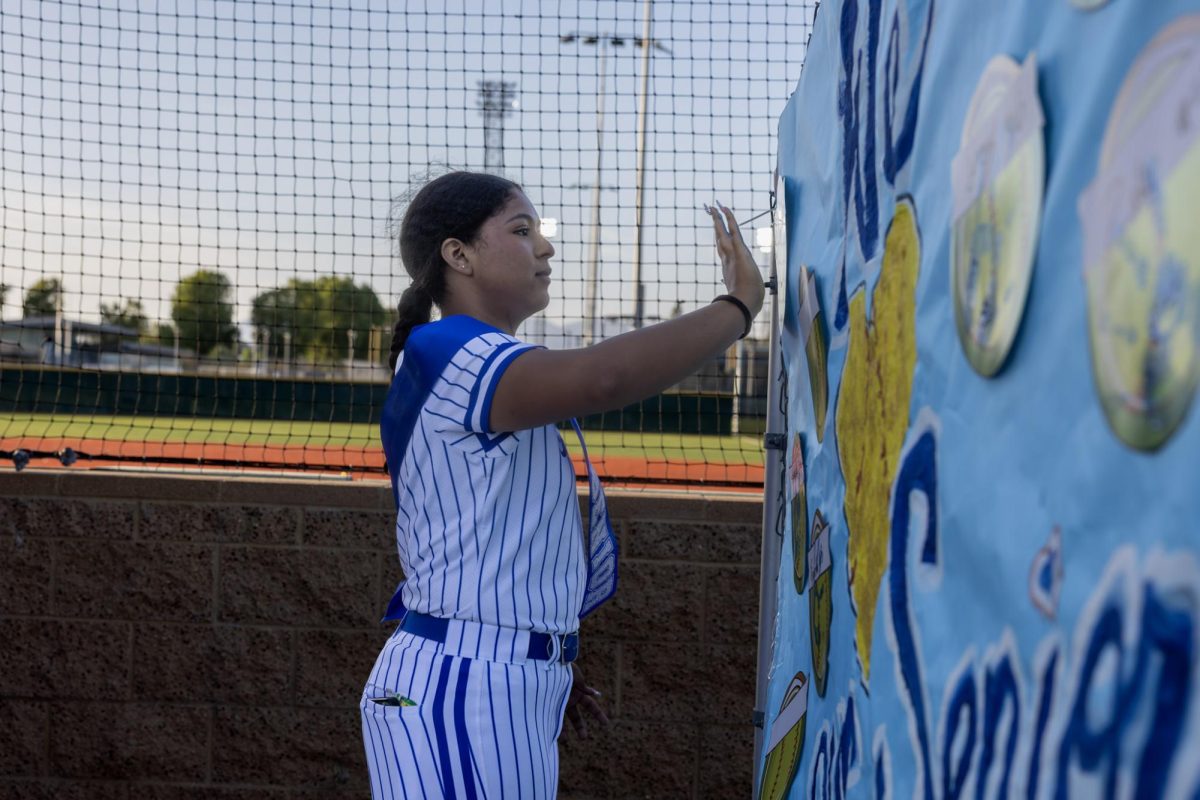
Some attend the Zoo campus for unrelated reasons. Jada Cortez, a Zoo Magnet senior, says her interests lie in “criminology, criminal justice, and forensics.” Her motivation to be an investigator comes from her mom, who was a police officer. The reason she attends the Magnet is that the “Zoo Magnet is such a small school,” she says. Despite the fact she’s uninterested in Zoo science fields, her choosing the Zoo Magnet as her school was intentional, as she aspires to “be like one in a million,” she says. Her main goal was to stand out to things she applies to as unique.
The Zoo Magnet is not just a school— it’s a community. Understanding the Zoo Magnet’s teachers and students is imperative to understanding North Hollywood High School as a whole. Without one piece of the puzzle, everything falls apart.