Introduction
For our last edition, we wanted to feature an underrepresented community that brings heart and soul to the North Hollywood High School community.
In June 2023, previous Arcade editors and reporters wrote an article, showcasing students’ perspective and struggles with being misunderstood by parents and other adults. In June 2024, Arcade editors highlighted female sports at North Hollywood High School, and the lack of support and recognition they receive despite their accomplishments.
Inspired by both, we decided to bring light to another community that faces both underrepresentation and frequent skepticism from those around them: the Special Education Students.
Through this article, we hoped to bring light to select students who despite their disability, are highly indomitable, wholehearted, and capable of everything and anything. Our intention remains wholely pure as we strive to make students feel equal, powerful, and heard.
A look into the lives and perspectives of students learning in different ways, but working toward the same goals.
The Special Education department is not just an additional resource for students, but an uplifting environment filled with students with admirable qualities, personalities, and knowledge.
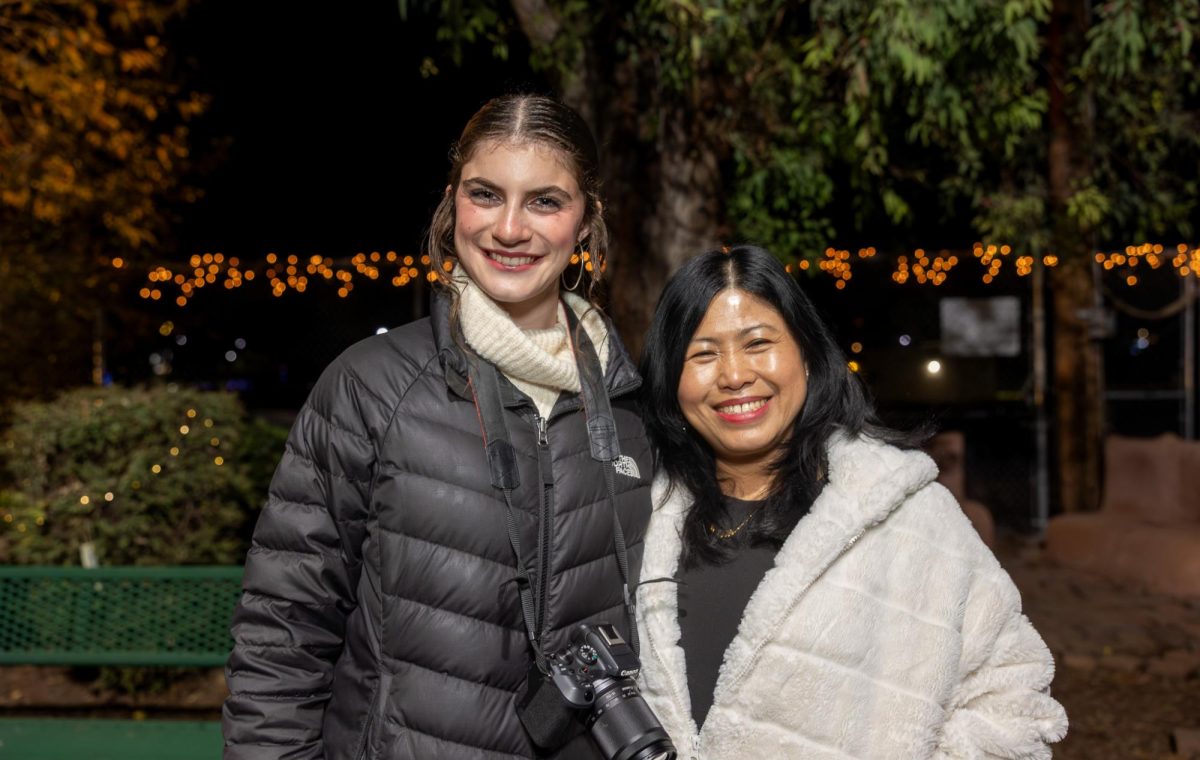
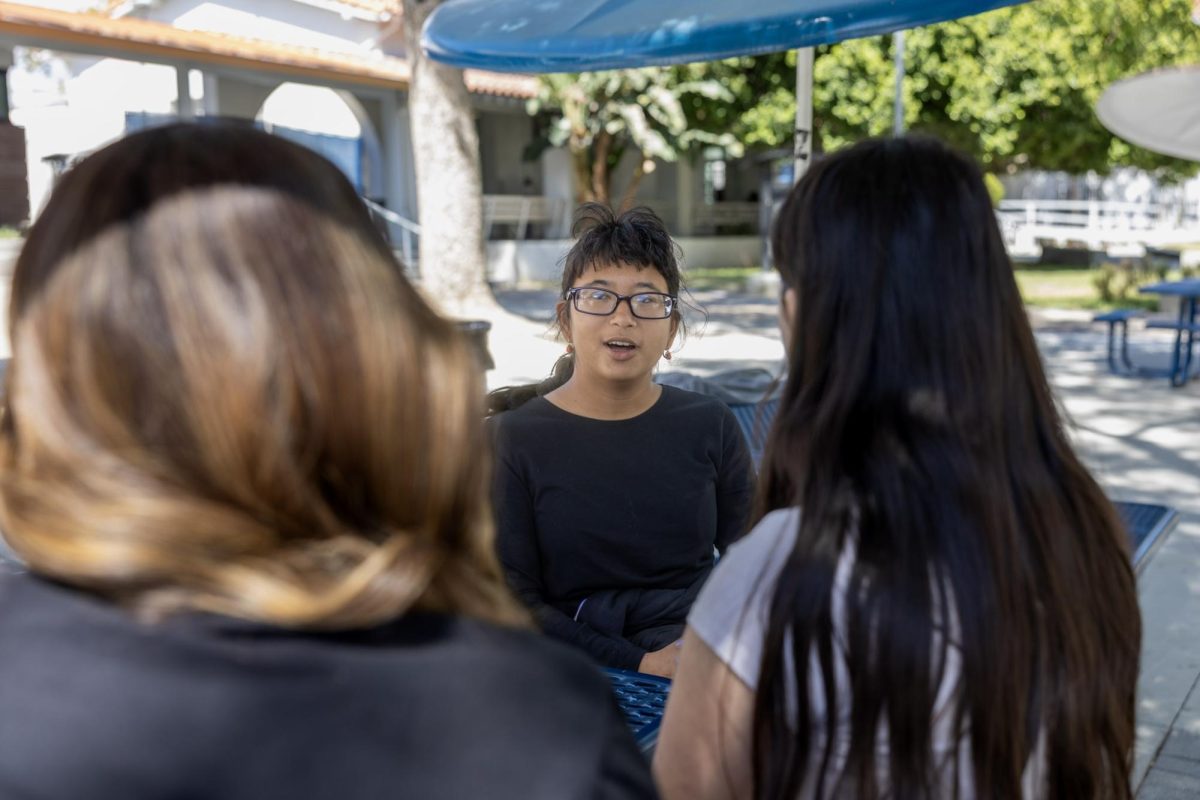
Alongside my Deputy Editor Alyssa Angel and Reporter Isabella Guzman, we interviewed students with diverse learning needs, and got a glimpse into how our peers identify and embrace their abilities.
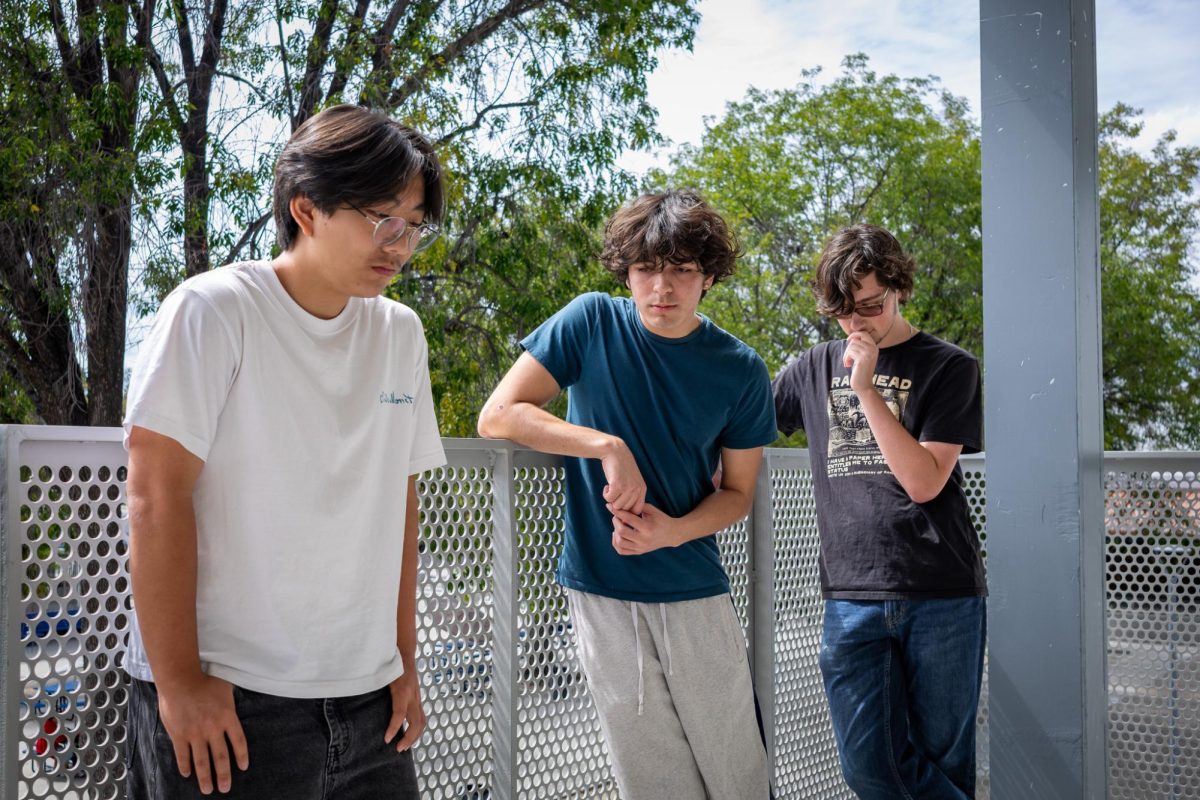
We had the pleasure of meeting 11th graders Brian Abarca Lopez and John Sandoval.
Sandoval and Lopez, who are both very close friends, were purely humorous, kind, and humble. Regardless of being labeled as Special Ed, Lopez and Sandoval express interests and hobbies that any “normal” student would.
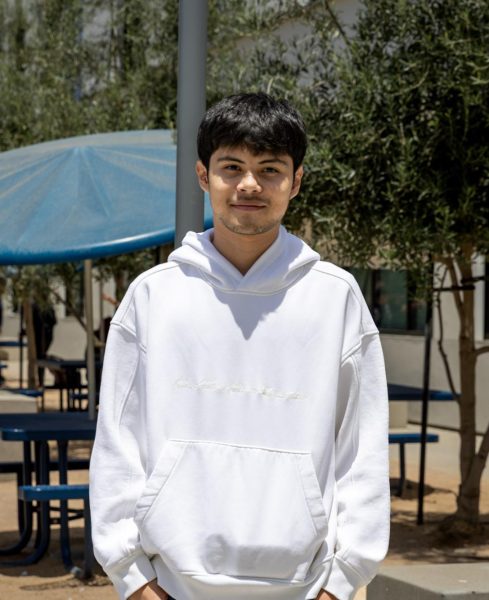
Brian—a shy, creative, and gentle student expresses his enjoyment for art and the process of drawing. “I draw sometimes, like you know..I’m trying to make my own character, cause I have it in my brain already. I make a character [that] is like an old guy wearing a yellow hat. But mine would be different—it could be black, and the mask would be like damaged, like [they’re] the only one [who] survived.”
With an endless creative mindset, Lopez also enjoys playing video games, binging Netflix series such as Squid Games, and helping others. “I help people because every time I go to [my] apartment, I help some people. And sometimes I help like old people,” Lopez explains.
Lopez is not only admirable for his imaginative mind and kind heart, but also for his care for animals. Like many students, Lopez dreams of the opportunities that adulthood will bring and the chance to create a home of his own. “When I grow up I want to get my own house, buy a dog and buy a lizard.”
In the same classroom, John brings laughter, fun competition, and a positive attitude no matter the occasion. Sandoval enjoys being outside playing sports, watching wrestling, and playing Call of Duty.
Being a hidden bookworm, Sandoval remarks, “I like to learn (practice) reading.” His willingness to learn and grow is evident in the way he approaches his education.“I like reading, trying to get better to read and stuff.”
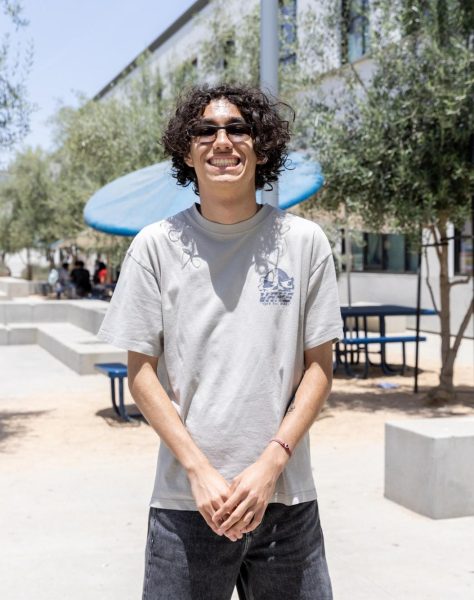
Keeping an equal balance, when discussing hobbies outside of the classroom, Sandoval says, “I’ll just play basketball with my friends. I’m a basketball sport person. I like playing competitive, kind of.”
Sandoval’s positive attitude extends beyond his love for sports and into the way he views
himself and those around him. Reflecting on his personality, he shared, “I’m happy, i’m funny, i’m kind, i’m helpful.” His appreciation for the supportive environment around him is just as evident. Describing the atmosphere of his classroom, he highlighted, “it’s a good class, a good vibe too. It’s a good vibe, and it’s funny.”
—
Keeping the same discipline and passion for learning, 10th grade Elizabeth Zharsky shares her story with us of her diagnosis with dyslexia. Despite sudden challenges, Zharsky remains observant, dedicated, and prepared to light up the classroom.
Zharsky explains her struggle in the classroom, “Well, I have a problem with reading. Which is—sometimes I see a certain word and it might be like the exact word that you think it is. I would see it, like, sometimes i’d see the letters [the] opposite.”
Remaining positive, Zharsky is appreciative of the accommodations she receives through her IEP. Even then, she admits, “I get, like, anxious about it (reading outloud) because I don’t know if I’m gonna read it correctly or if I’m gonna describe it correctly or, like, if I like, say it right.”
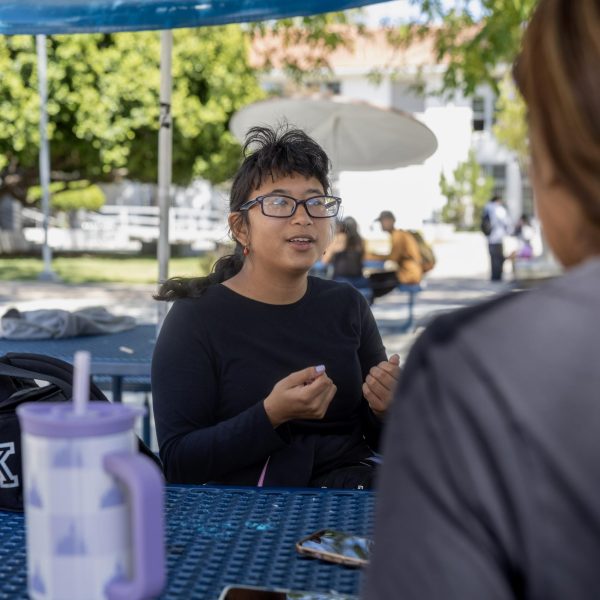
Despite the challenges Zharsky faces, a simple conversation with her reveals the positivity and determination she radiates. She is not defined by her disability; rather, she is a student known for her kindness, appreciation of diversity, and passion for art.
“I like to do art, I like to hang out with like a lot of my friends and I just like, I just like—there’s too much things. I like doing anything really that, like helps me get to know my other friends and like understand people who are from like other countries,” Zharsky explains.
—
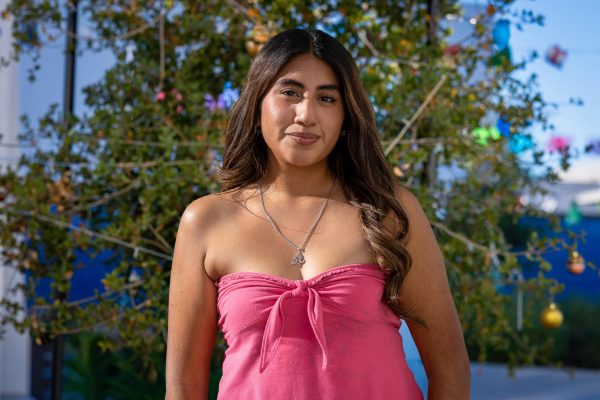
For 11th-grade student Audrey Alas, her diagnosis serves not as a barrier, but as motivation to pursue all that she can achieve. Alas states her disability, “I have ADHD, OCD, and I have like, the oppositional defiant disorder.”
As she shares her experience, Alas describes the support she is receiving, “I’m currently getting assistance for AUDHD, which is autism and ADHD combined.” Yet, Alas takes no shame in what her disability means in regards to her identity. “I would say, like, that’s just who I am, you know? Like, it’s kind of how it’s always been,” she continued.
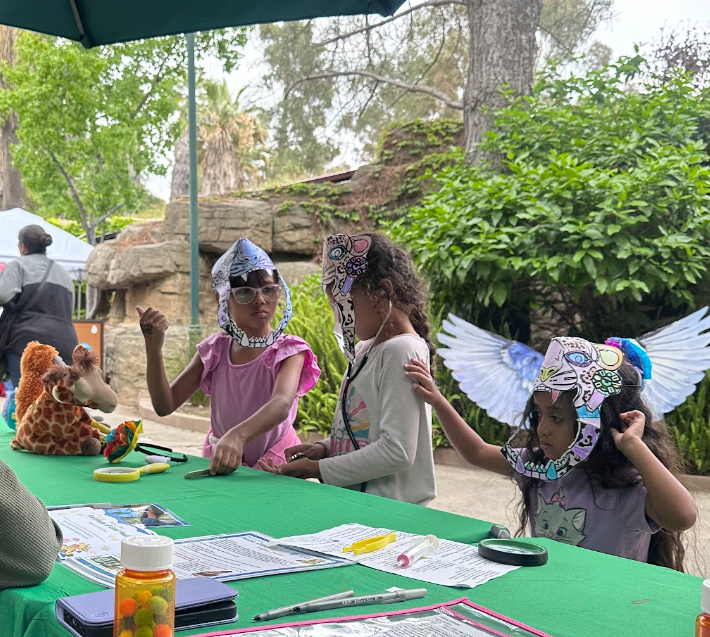
At the Zoo Magnet, Alas describes her favorite class, “I took zoology and that was really, really interesting and I had a lot of fun taking the class and I found that I was actually interested in the subject and wanted to continue learning and actually know what was being taught.”
Alas recently earned the title of the Zoo Magnet President for the 2026-27 school year. Alas has become highly recognized, admired, and supported. Though she reflects that because of her disability, being social didn’t come easily.
“I feel like I often was kind of an outcast, especially when I was younger, when I was still figuring out social cues and all this stuff. So I do think that it definitely had an impact on my social life, especially as a kid,” Alas explains.
—
While every student’s experience is different, many students in specialized education programs face assumptions from peers who may not fully understand their lives. Some students feel accepted for who they are, whole others believe they are often misunderstood or judged before people get to know them.
Alas explained that while peers may view supports such as extended testing time as an advantage, they do not always recognize why accommodations exist. “I think people often forget that I do have special needs and that I am just like everyone else,” she said.
She emphasized that accommodations help her demonstrate what she knows rather than give her an unfair advantage, adding, “I got a good score because I got what I needed. Like, I am smart, but I need that extra help for me.”
For Zharsky, identity is shaped in part by language and cultural background, which sometimes sets her apart from her peers. She explained that these differences contribute to what makes him unique in the classroom. “A lot of things do make me unique, the reason is because I feel like it’s because I speak a different, like, sometimes I speaking different languages, like Russian,” Zharsky said.
Conclusion
Though each student’s experience is different, one thing remained consistent throughout every conversation: their disabilities do not define them. They are artists, athletes, leaders, friends, creators, and students with ambitions that extend far beyond any label placed upon them.
The Special Education Department is more than a program or a classroom—it is a community filled with resilience, individuality, humor, and talent. By sharing these stories, we hope readers leave with a greater understanding of their peers and recognize that every student deserves to be seen, heard, and valued for who they are.
As our final edition comes to a close, we hope this article serves as a reminder that some of the most inspiring voices on campus are often ones that go unheard. Sometimes, all it takes is a conversation to discover them.
Special thanks to my Deputy Editor, Alyssa Angel and my Reporter, Isabella Guzman. Without your endless support, this article would have not been possible. And additional gratitude to Ms. Kelly, who was incredibly helpful at introducing us to these amazing students.