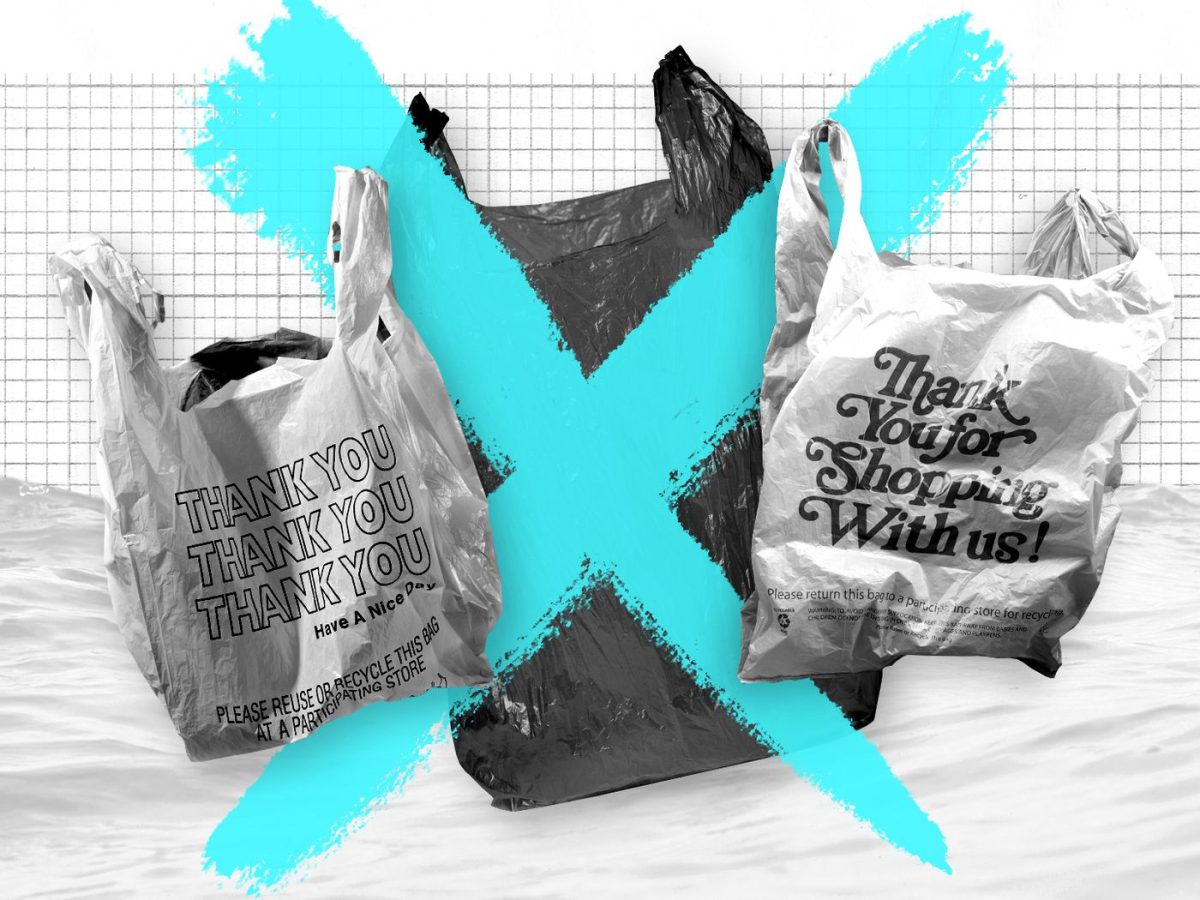
On Jan. 1, 2026, California legislation banning single-use plastic bags took effect immediately. You might have noticed the recent shift from plastic to paper bags at your local grocer, pharmacy, or convenience store; you can thank SB 1053 for the switch.
You might’ve also wondered “why?” Well, SB 1053 wasn’t the first of its kind – it was issued to fix errors within a decade-old, largely inconspicuous bill: Senate Bill 270.
Law & Loopholes
SB 270 passed in 2014 and was meant to be the bill to end all plastic bags. Loopholes, however, stalled its ambitions. The definition of what constituted a “reusable” plastic bag allowed thicker plastic bags to be sold at checkout aisles across the state. Retailers could provide “reusable” plastic bags that met the criteria of being at least 2.25 mils thick – bags are often treated as single-use.
The newer plastic bags proved to be a setback. CalRecycle (California’s Department of Resources Recycling and Recovery) estimated that more than 230,000 tons of plastic bags were sent to landfills in 2021, a significant leap from prior years. Plastic bags are used for an average of 12 minutes, but take an estimated 1,000 years to biodegrade. This, without a doubt, set in motion the eventual passage of SB 1053.
Changes Under SB 1053
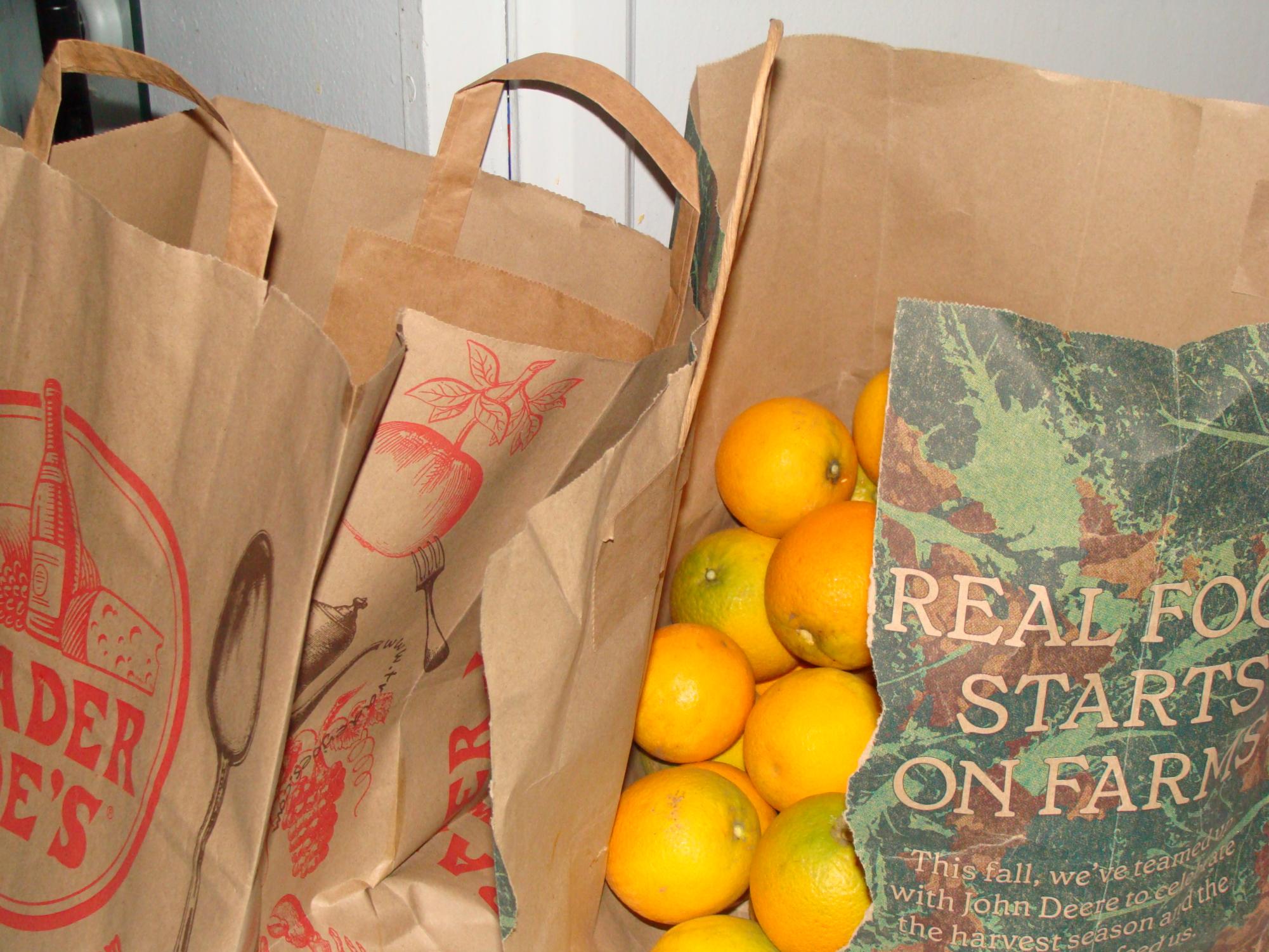
Shoppers do not need to worry; SB 1053’s regulations apply only to businesses, which are now expected to comply with the new policy changes.
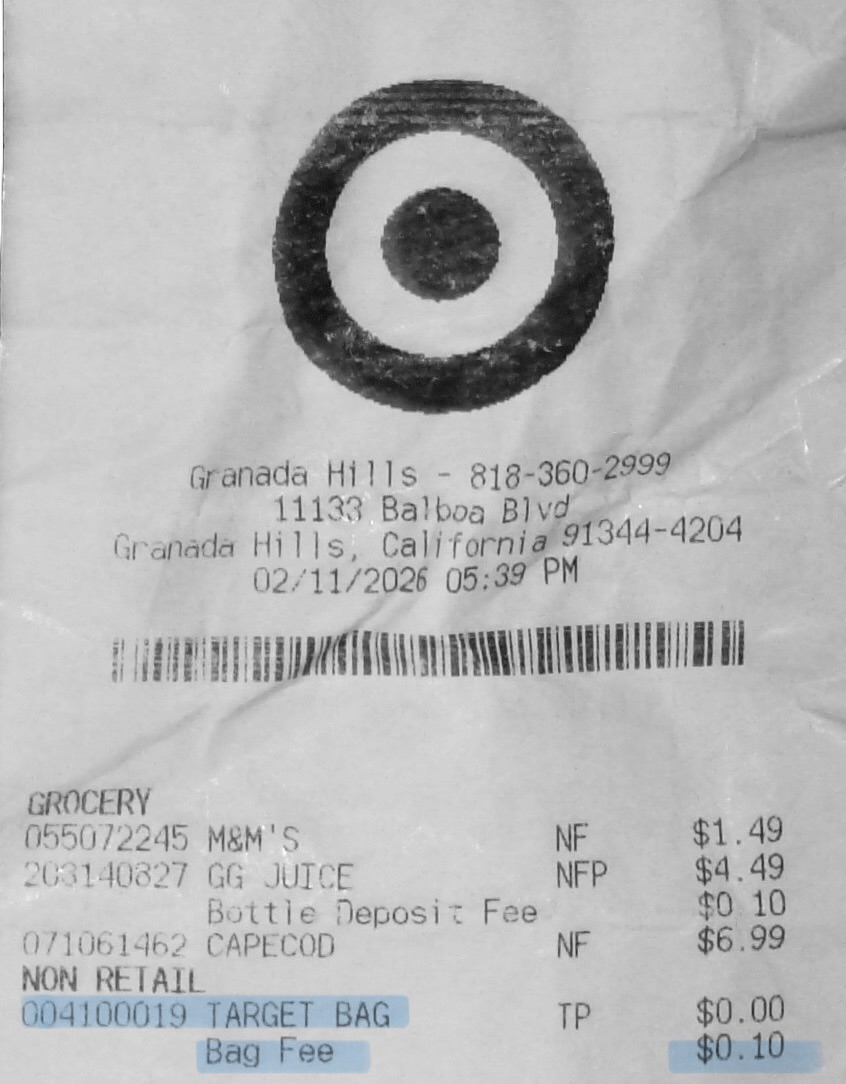
That means removing all plastic bags from checkout aisles, switching to paper bags, offering paper bags for a fee of 10 cents, and meeting a requirement that paper bags must contain at least 50% recycled paper – the latter effective by 2028. Fines for noncompliance will further push businesses to make the switch.
The broader goal is to tackle plastic waste at its core. Under SB-270, California lacked the facilities necessary to recycle thicker plastic bags. SB 1053 circumvents the recycling infrastructure gap by eliminating thicker plastic bags at the source.
Community reactions
Retailers across Los Angeles have made the switch. Among residents, the consensus is that the environmental benefits outweigh the minor inconvenience.
Mrs. Casillas, a math teacher here at North Hollywood High School, said the transition to paper bags will be a generational one.
“I think for those of us who are older, we’re not gonna see the effects of it during our lifetime.” Casillas said. “But there are effects. There will be for generations.”
Yet, Casillas added that the change to day-to-day shopping has been minimal. “No, because I already had my own bag,” she added when asked about how it impacted errand runs.
Jazz Pizarro, a student in the Home Engineering Academy here at NHHS, said plastic bags served a limited purpose.
“They were bags meant for carrying stuff – but it was either a quick run to the liquor store to grab your snacks, or a quick trip to the market,” Pizarro said. He added, “They pretty much served as a carrying device.”
Pizarro said that the ban reflected shifting perspectives towards environmentalism. “People are starting to realize that all the damage that’s happening in the world is taking a toll,” he said. They’re starting to realize that they had to do something about it.”
California’s ban on plastic bags marks an eco-conscious step forward in the ongoing fight against plastic waste. While the shift to paper or reusable bags may seem minimal, the long-term impact will be significant for generations to come.