Niche — by definition — means catering to a small, specific group of people or a narrow interest rather than the general population. That definition has been twisted into a new, unofficial one: being niche now means liking something obscure just to seem cool.
An example of this is teenagers online believing that having a favorite character with only 30 seconds of screen time in “Harry Potter” is cooler than liking a recurring character.
This phenomenon is something teenagers deal with specifically. Five years ago, being “basic” meant girls liking Taylor Swift and wearing leggings, and boys wearing Nike Tech and liking Drake. Today, it’s different—the new “basic” is what would have been classified as an outcast aesthetic back in 2020.
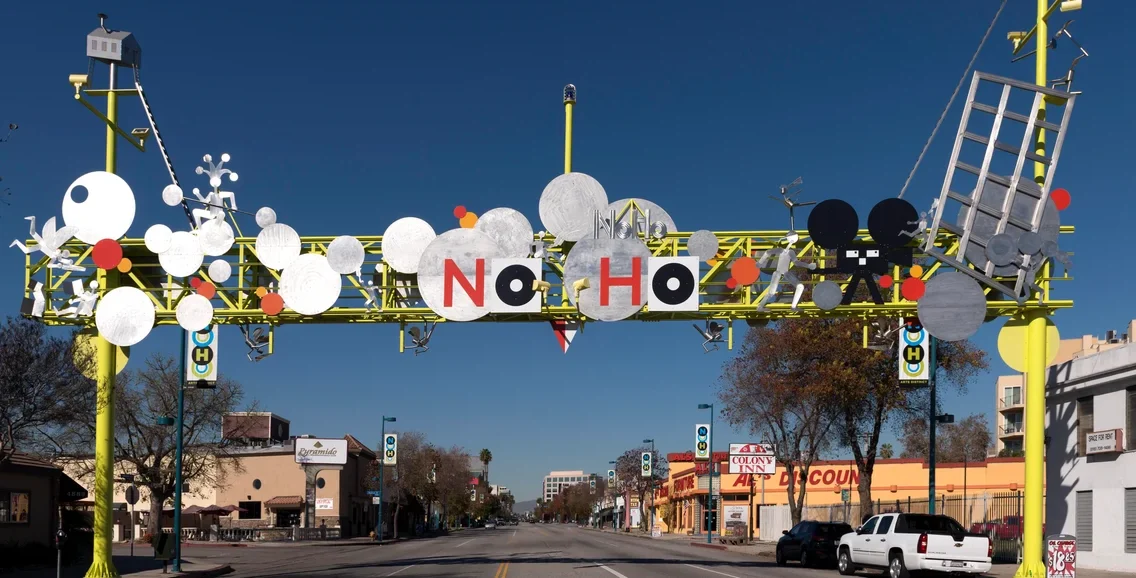
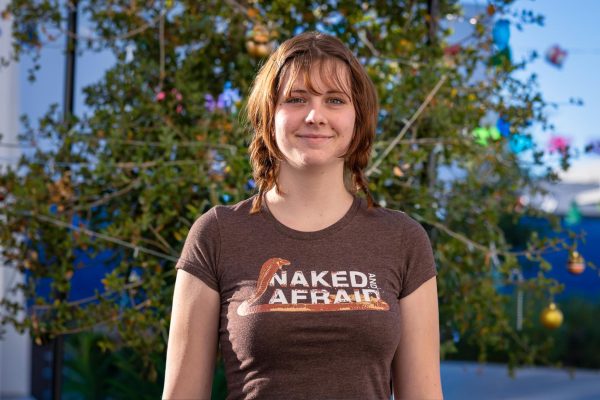
Yuliana Hernandez, a junior in SAS at North Hollywood High School, defines today’s “basic” on campus as “baggy pants and a T-shirt with some design on it.” She adds, “I see [designs like Affliction] seven times a day, on different people.”
Being niche is now normal; different is no longer different, but an aesthetic. “A lot of people just try so hard nowadays just to be different to a point where nobody is different,” Hernandez claims. She describes these people as “try-hards” and believes that current alternative fashion is largely performative — essentially trend-hopping.
This is especially noticeable at North Hollywood High School, where a TikTok account called @nohofitz showcases students’ outfits. The account has been considered biased by some, featuring the same five people in nearly every video, with a few new faces appearing occasionally.
Yet an account meant to highlight originality seems to revolve around a single aesthetic, commonly referred to as “fitz.” This connects back to Hernandez’s idea of people “recycling outfits” and reinforces the perception of try-hard behavior.
A try-hard is someone who puts excessive effort, emotional investment, or dedication into something where it isn’t required, usually to project a certain image. In the past, this behavior was often labeled as a “pick-me girl” — someone who tries excessively to obtain the male gaze. As that term has faded, a new but ultimately similar version has emerged: the performative male.
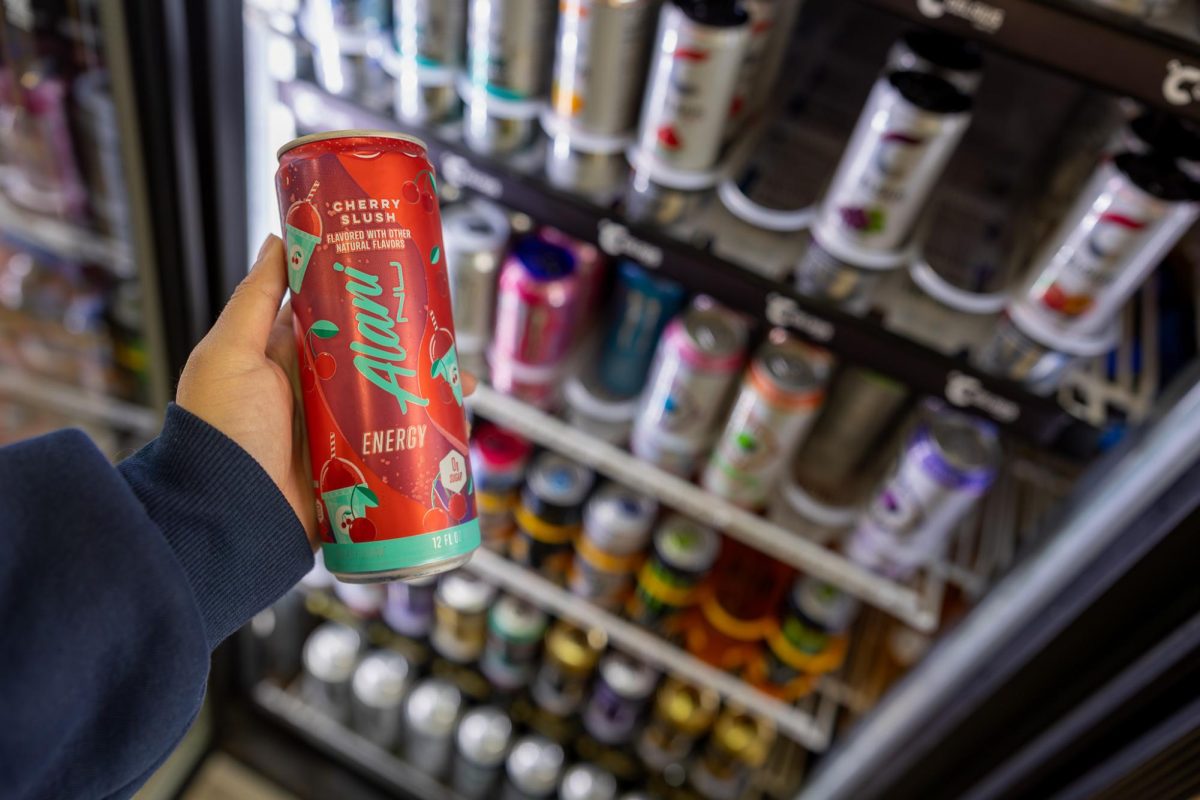
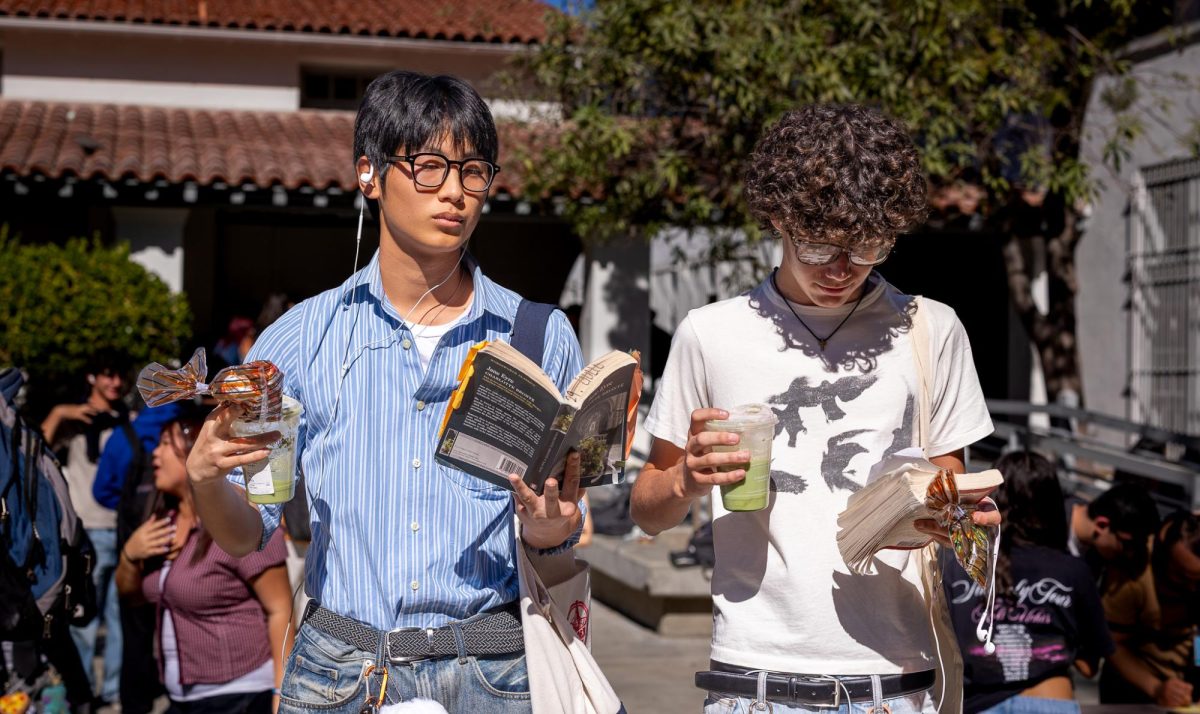
Many people online are now called out for being “performative,” such as boys drinking matcha, enjoying music artists typically popular among women, or wearing wired headphones. All of these traits used to be niche — in the original sense — until they were noticed as such and then adopted en masse to appear cool.
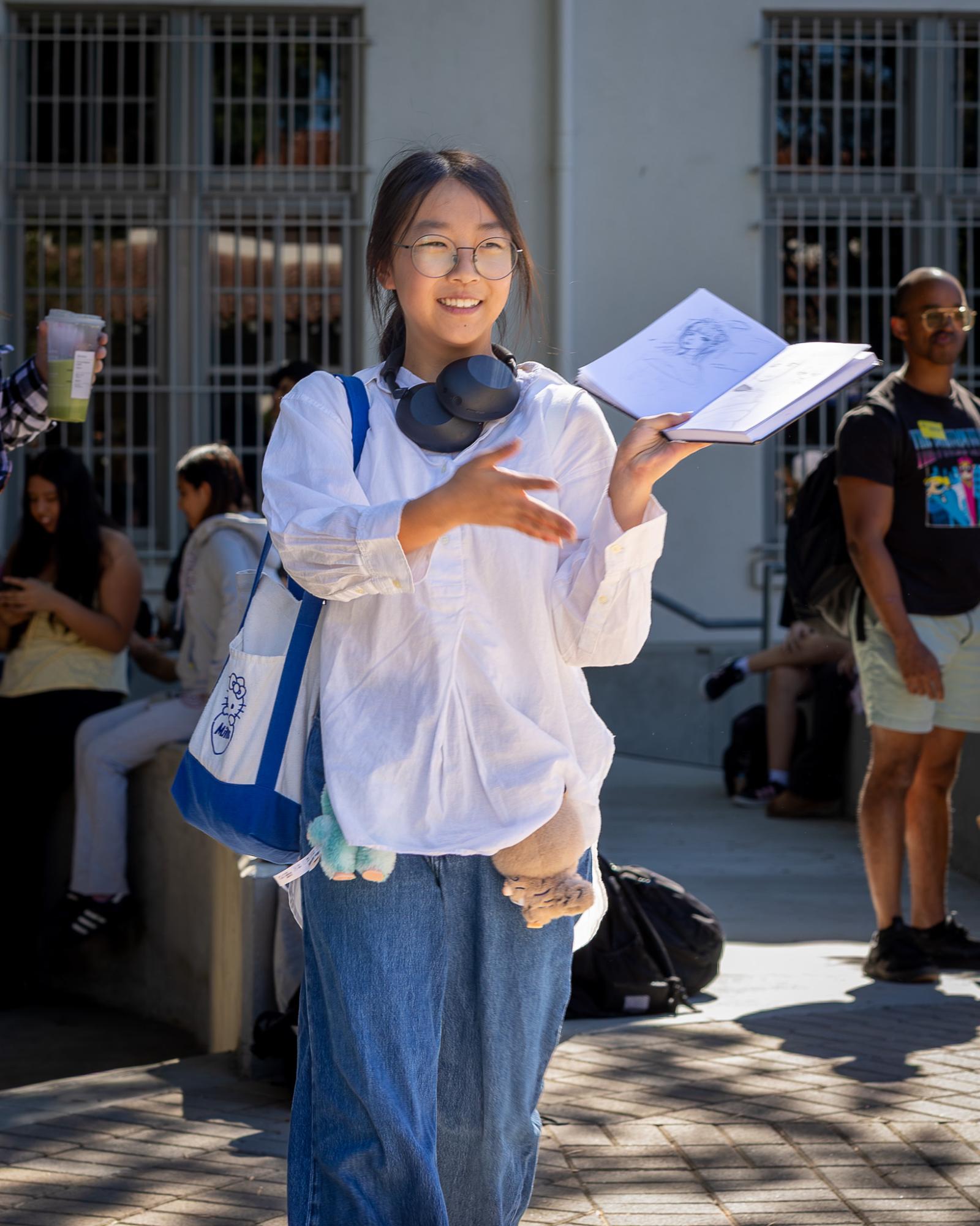
Sophia Cariga, a sophomore at North Hollywood High School, offers a different perspective. She believes teenagers aren’t trying to be different — they’re trying to find themselves. “I hate when people are like, ‘oh, you’re trying to be different,’ because it’s like, yeah — they’re finding themselves.” She adds, “Trying to be different is kind of expected in teenagers.”
Trying to be different is not the same as being different. Trying often ties back to the idea of try-hards, while being different is something more sincere. Cariga explains that she feels “more like myself at school than at home because of my parents,” and that “being around my friends brings me out.”
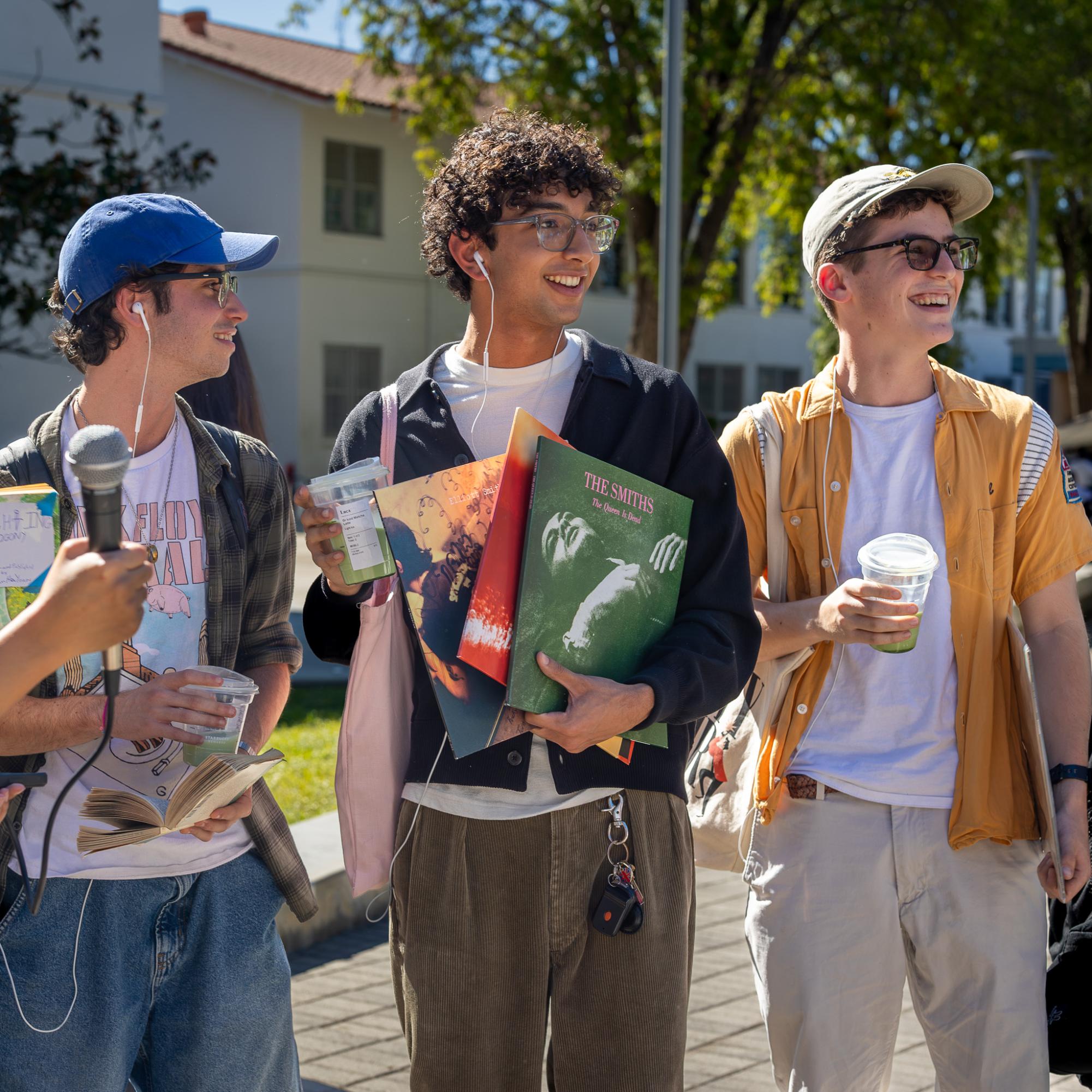
Another perspective on the resurgence of “niche” culture is that it is killing fandoms. Andrew Amado, a junior in SAS at North Hollywood High School, believes that sharing interests should not be discouraging. “I don’t mind when someone likes the same Pokémon character as I do,” he says. “I don’t understand how people think that’s lame.”
Many people online conclude that if an interest becomes common, it loses its value. While that mindset isn’t always harmful, it undermines the foundation of fandom culture. Fandoms were built on shared enjoyment — liking the same characters, movies, and episodes. Obsessing over being niche erases those shared experiences. Amado emphasizes this idea, saying, “People should be happy to share interests, not scared to be common rather than being different to an extreme.”
Teenagers — both at NHHS and everywhere else — face constant pressure to discover who they are. Even when they try to be as different as possible, exploring identity through clothing, music, and media is something nearly all teenagers experience.
Teenagers aren’t inherently unoriginal; rather, constant influence makes self-discovery more complicated. Being niche should stay true to its original meaning. Instead of chasing new obscure interests, the focus should be on having personal niches while still embracing popular things. Having similarities doesn’t make you lame — it means you’re confident enough to like something that’s worth liking.