Humans have this phenomenon of romanticizing the past; sometimes it’s the recent 2010s, or the 1950s around 76 years ago. This romanticization is not a new phenomenon: it’s embedded in history and science. The brain often forgets the negative details of history, putting a “rose-tinted” view on bad times of living.
This phenomenon has been classified as “rosy retrospection,” a cognitive bias wherein someone chooses to remember the better things about history. Some may call it a form of comfort, others might frame it as repression. Why do people believe they belong in the times of the past?
Nostalgia activates brain networks linked to autobiographical memories which signal the feeling of reward and emotional regulation. This process acts like a psychological buffer against loneliness and anxiety. Your brain releases dopamine when thinking of nostalgic memories, even if those experiences caused you mental harm or distress.
This is because your brain is protecting you with rosy retrospection. The act of remembering something as more positive than it was gives your brain a sense of purpose.
Tumblr, a multiblogging and social media platform, has many members who think they “belong in another time.” The common term, I was born in the wrong era, being thrown around casually. @glitterbabbe on Tumblr blogged saying: “I don’t belong in 2026, take me to 2000.”
Little does glitterbabbe know, there were economic and social problems happening in the year 2000 that they don’t have to deal with today. One of the most infamous of these problems was the bursting of the dot-com bubble. The burst caused a decline in stock markets and wealth,leading to the recession in 2001.
This is, of course, not to mention the dieting culture of the late 1990s and early 2000s. Celebrities everywhere were promoting “pencil thin” body types and not eating. This unhealthy culture established eating disorders in younger girls.
Nevertheless, what seems to be remembered about the 2000s is the nostalgic music, TV shows, movies, fashion, and old technology (flip phones, Myspace, Skype, old Macbooks, etc.).
Granted, these things are desirable to many, but the haze that has been placed over the recession, beauty standards, and the Y2K bug is apparent when the conversation of living in the past comes up.
People are like this even with earlier times, as shown by the resurgence of tradwives. Also known as traditional wives, this “new trend” is a romanization of the 1950s convention of having a wife for show and to work around the house.
One of the most popular modern tradwives is Hannah Neeleman, who runs the social media account @ballerinafarm. One of her most popular TikToks—which could be the reason she gained popularity—is of her saying “I wanted to be a ballerina, I was a good ballerina.”
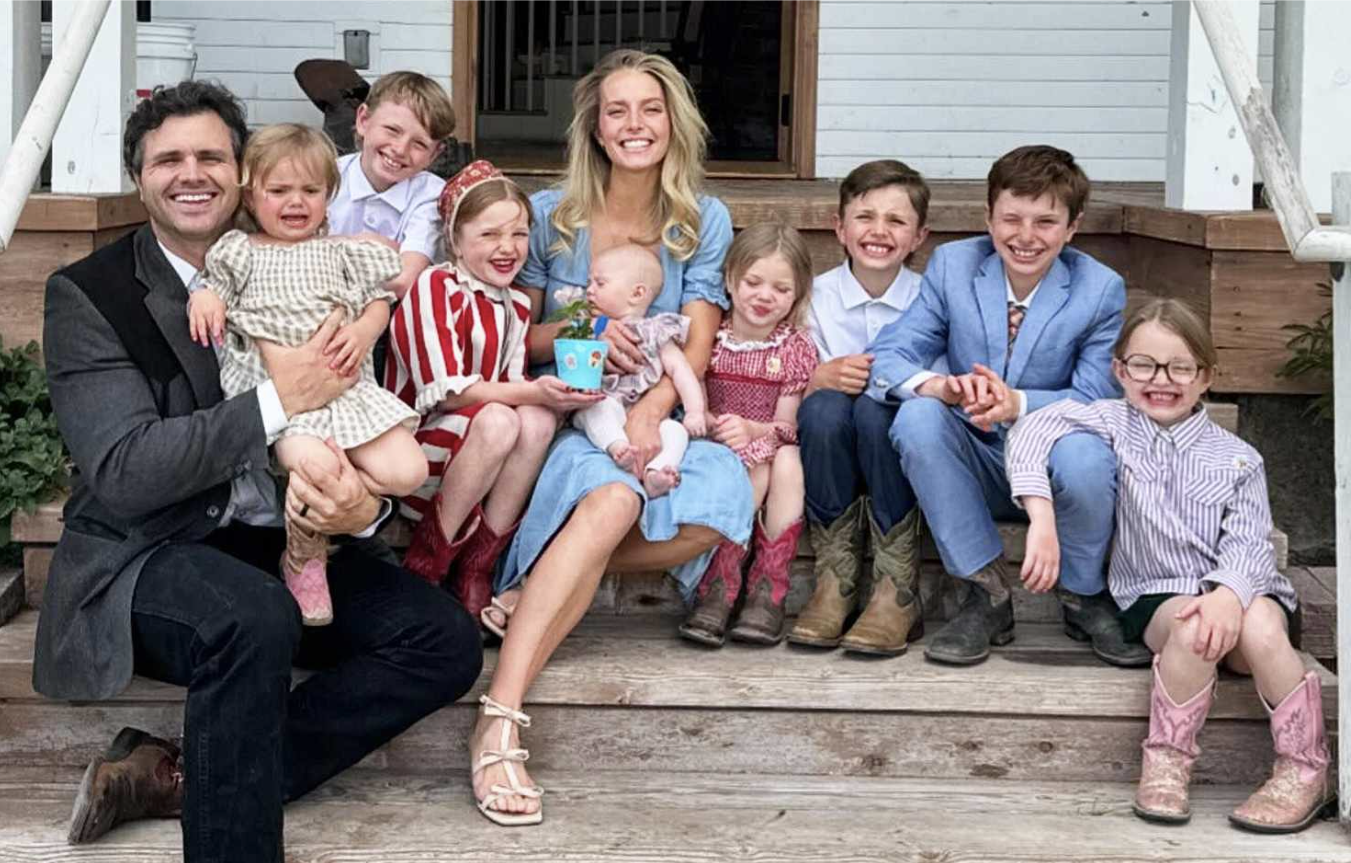
Instead of being a ballerina and doing something she loves, Neeleman stays on her farm constantly watching over her nine children and making food from scratch using the plants and eggs her farm provides.
This oppressive domesticity was common in the 50s, when over 70% of wives stayed at home and cooked, cleaned, and submitted to their husbands. But what was lacking in 1950s was the choice to do what you wanted as a woman.
The right to even leave your husband was a luxury, whereas now divorce is more than common in marriages, The University of Michigan explains — on average, more than 50% of marriages end in divorce.
These ideas of living in the past are scientifically wired in our brains. As reported in National Geographic, living in the past is something that “gives your brain purpose,” as said by scientist Krystine Batcho. Nostalgia skyrocketed in the harder times, for example COVID-19.
Many people in 2020 argued that times were better in the 2010s, 2000s, 90s, 80s, and even 70s, forgetting things like stagflation, the AIDs crisis, the Cold War, inequality, and acid rain.
Now, because of things like the war with Iran, inflation, ICE, and many, many other economic problems, people are nostalgic for 2020, completely ignoring the pandemic as a whole.
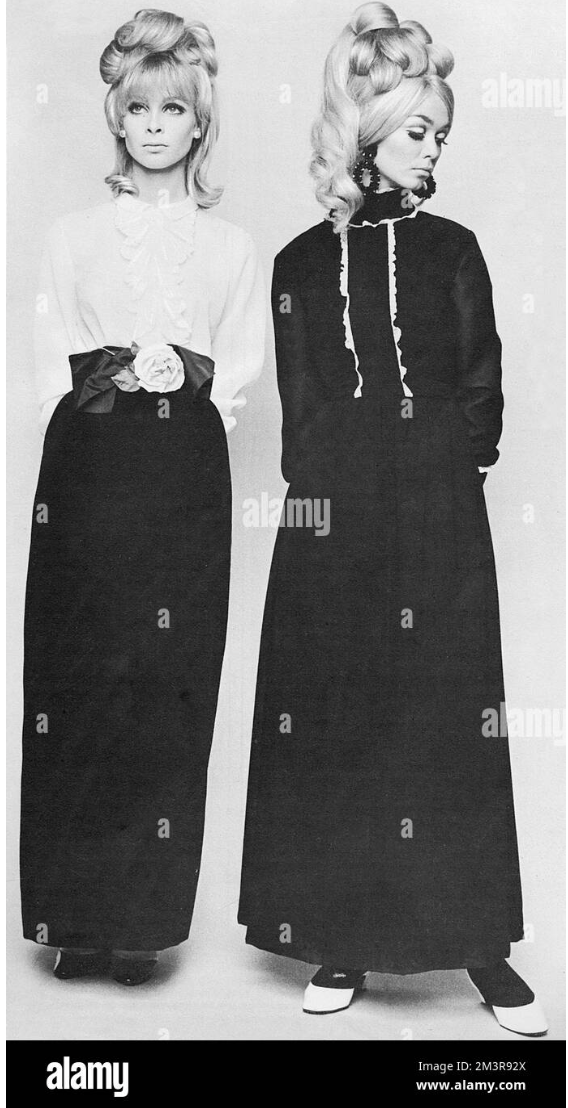
The “wanting to be born in another time” craze that we see now is not only limited to people in this day and age. The 1960s had a very popular Edwardian era, also known as a “dandified” fashion movement. Many people in the 1960s, especially in London, dressed and acted as if they lived in the early 20th century.
The Swinging Sixties had people walking around in knee high boots and flower prints, and others in double-breasted suits and skirts with high, fringed collars. The programming of nostalgia goes back to the brain: not wanting to let go of the past has quite literally been a thing since “the past.”
Whether it be the 1890s or the 2020s, people will put on their rose-colored glasses and look back at the years they long for. This is science, so it’s to be expected in the brain, but when looking back on years you think you might belong in, remember everything — not just what was nostalgic.