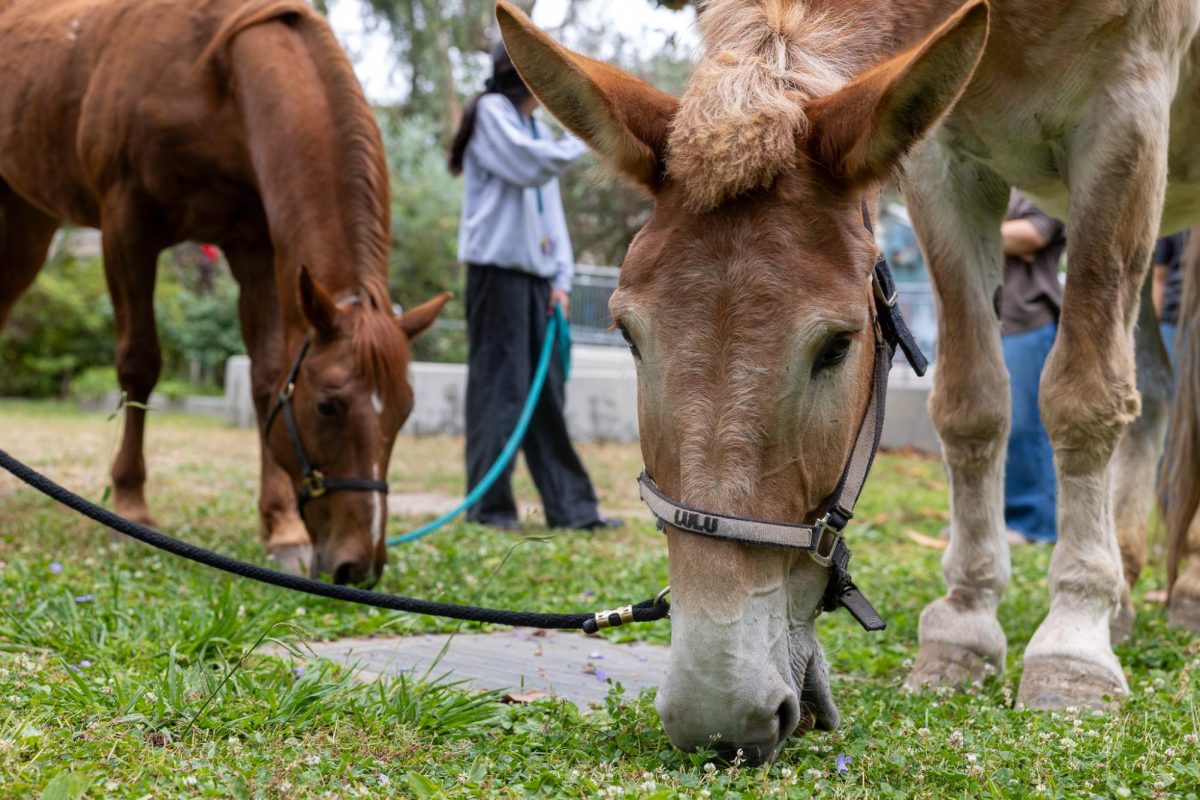
North Hollywood High School offers a wide range of elective courses, including courses that can help students get hands-on experiences with animals within the farm and agriculture classes. These invite students to learn about gardening, the responsibility of taking care of animals, and learning valuable collaboration through the care of the animals. Although the construction has taken a portion of the donkey, goat, and cow pen, the care for these animals is still ongoing.
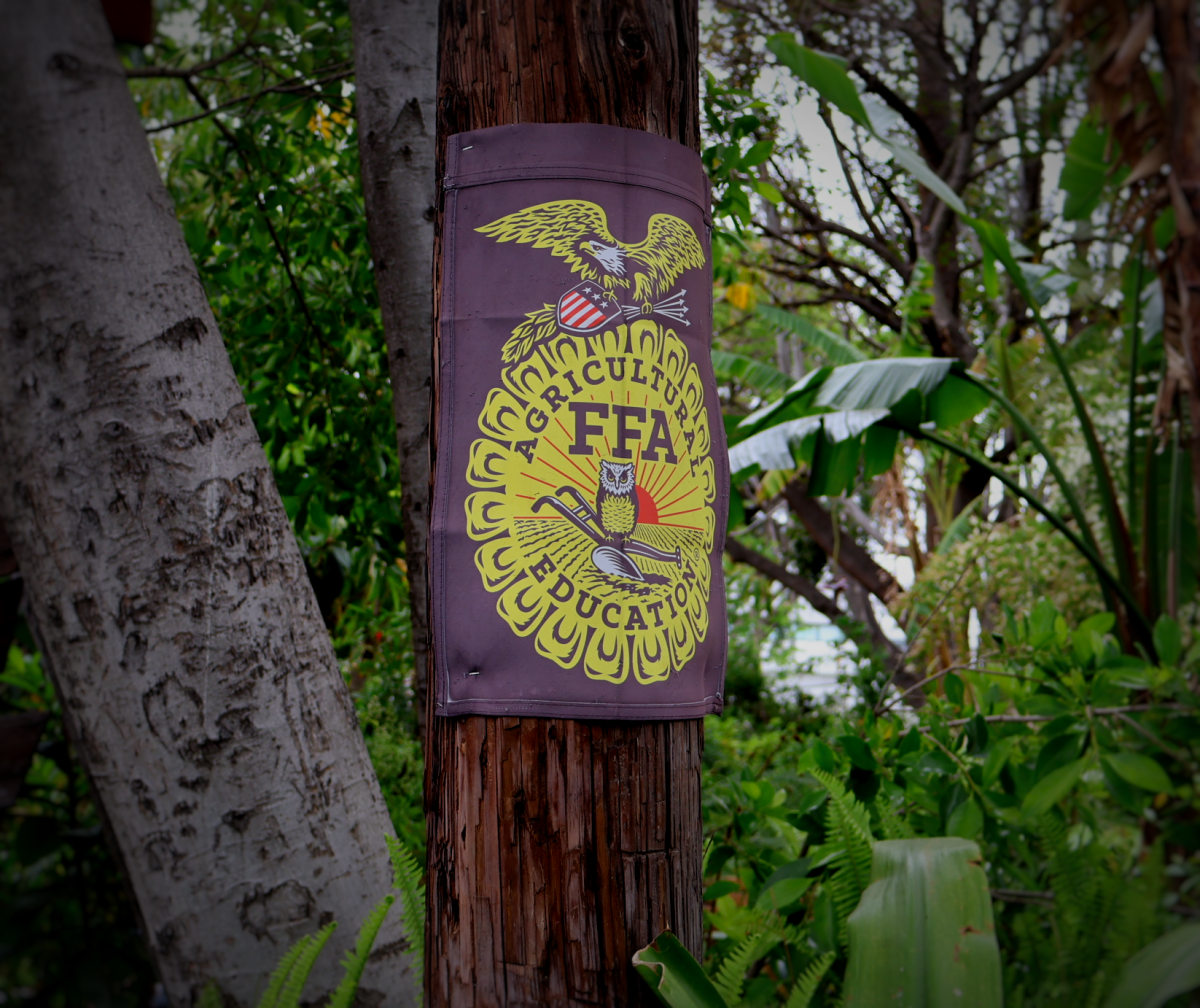
Towards the back of our campus, near the weddington gate, the farm section has 8 acres of land dedicated to the care of its animals. From tortoises to goats, these animals are cared for by the FFA members (Future Farmers of America).
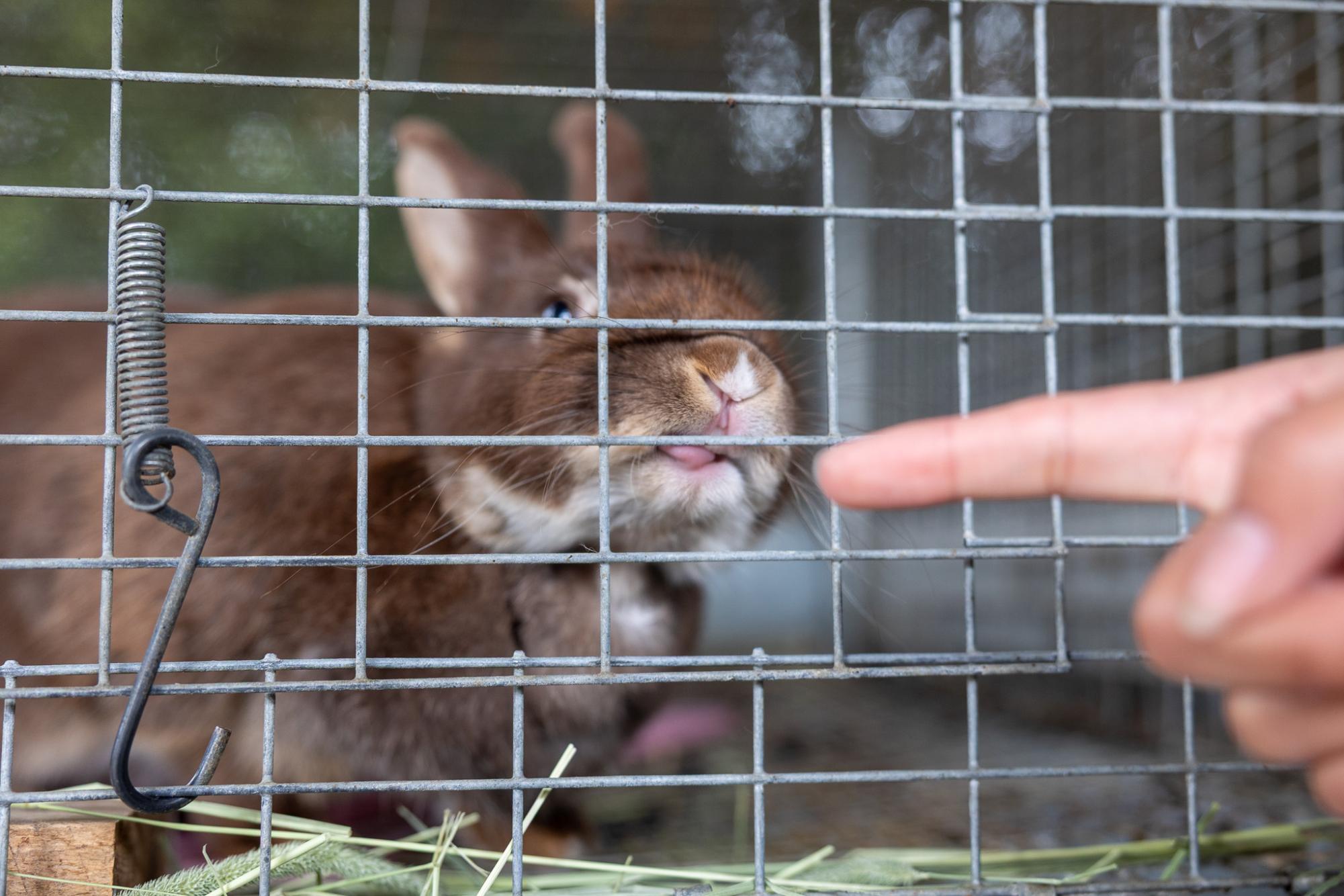
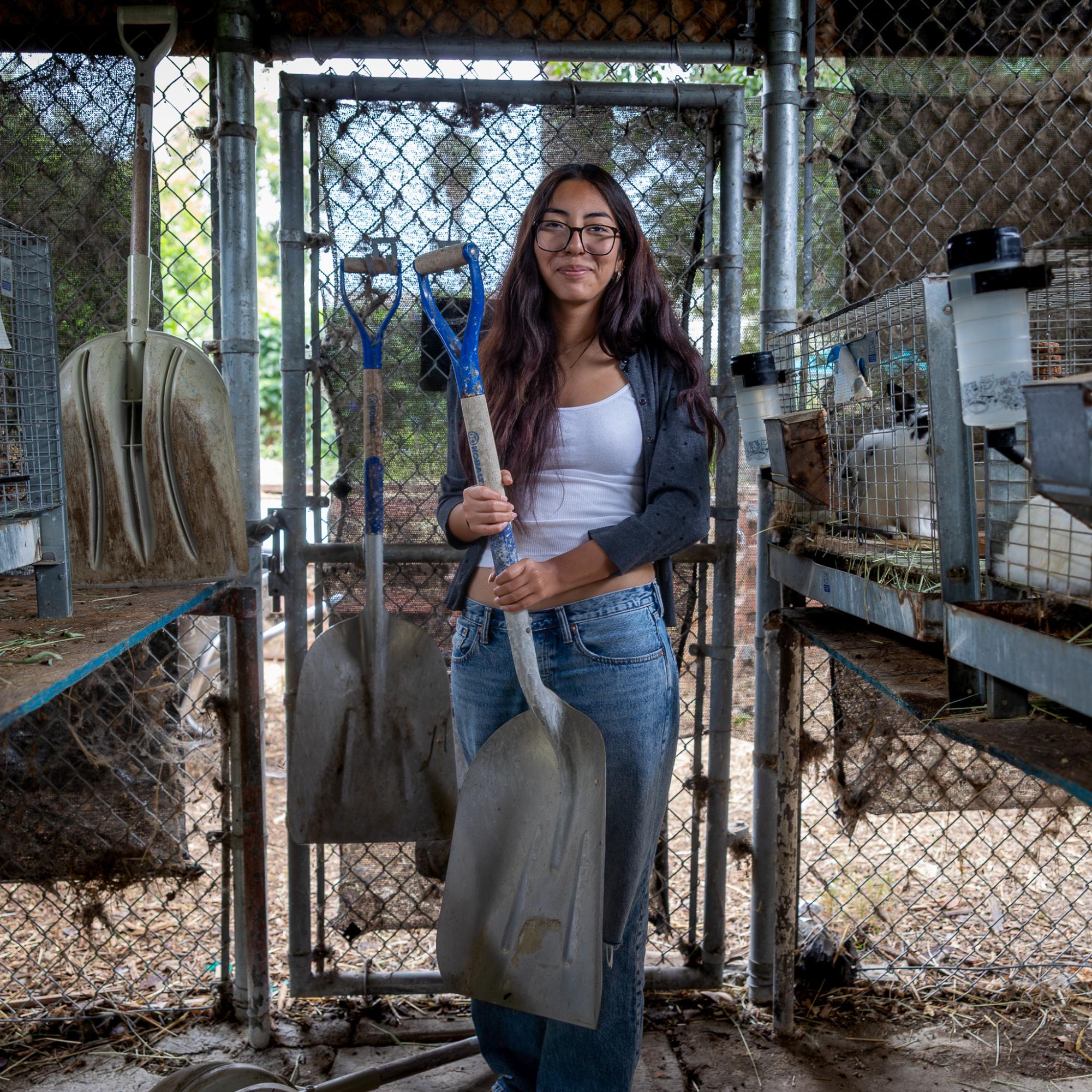
Not everyday consists of the FFA members heading over to the farm area, some days the students have to take tests on the different diets certain animals have. SAS junior Yesiy Salvador retells her daily activities, “When we’re not taking tests/quizzes, I get to comb the rabbits’ fur, clip their nails, and clean out their water.”
The maintenance of a clean cage for rabbits is very vital to their physical and mental health. Rabbits require 1-2 ounces of water a day, water is required in order for their digestive system to work properly. Salvador states, “When we learned about the importance of rabbit care, I immediately wanted to specifically take care of them.” Salvador makes it apparent how the learning of animal care can impact the desire to take care of them. But what happens when these animals get sick?
As members of the FFA, it is important to recognize when an animal is not in the best shape, or acting in an unusual way. Typically if a member notices anything unusual with an animal they would notify Mr. Lepore in order to address any serious health issues before they can progress any further.
HEA junior Alejandra Martinez comments on what these students do in cases where an animal is sick. “If the animal is seriously sick we call the vet, if it’s a common sickness we give them medicine and check up on them every hour.” Martinez notes urgency in taking the right action for animal care.
While it can be hard to tell when an animal is sick(some hide injuries or illnesses), when these are noticed the FFA members are sure to take the correct course of action. Martinez states, “Whenever we get to feed the animals or change their water, I can always get to see up close if there is anything wrong with the animal.” The FFA members, while feeding and changing water, are sure to make sure that these animals are in good health, as to make sure they’re not spreading any illness to other animals.
Although these animals occupy the same place, they all have different needs and diets that the FFA members follow. For instance, SAS senior Jonathan Cuevas cares for the pigs and ducks which are very different in terms of their biology. “Not all animals eat the same, some eat hay while others eat food pallets–goats are more playful than a horse which are more sensitive.” The members make sure to take note of an animal’s physical and personal needs.
It’s important to keep the boundaries of animals in mind while handling them. Cuevas notes this very well, “Each animal has their own unique way of doing things, which is important to learn everything about that animal.” Individual care and attention for the animal is vital to their mental and physical health. Not only is this love and care shown through the care of the animals, but also through the dedication and new found sense of responsibility of being a member of the FFA.
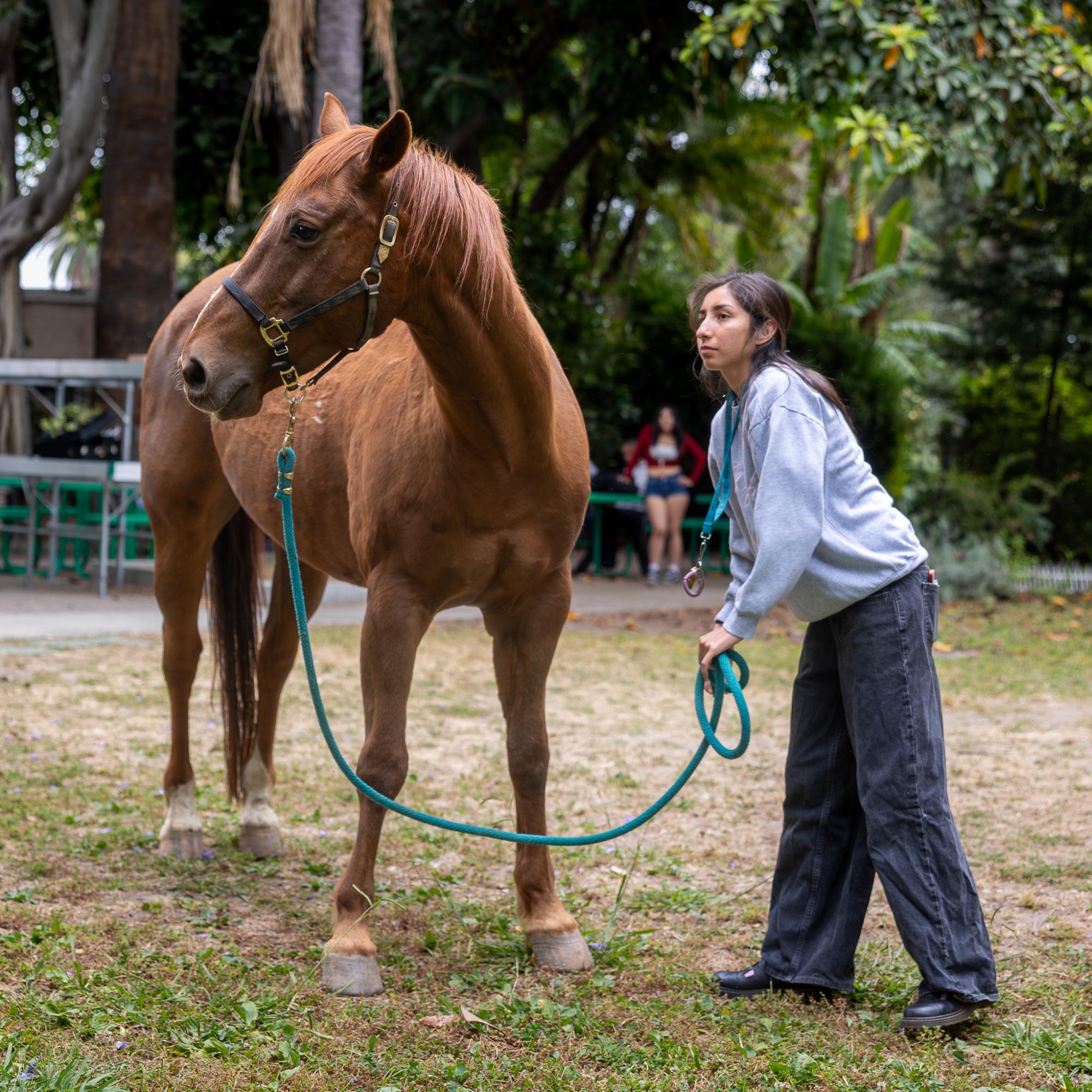
The FFA members love and respect all the animals in the farm, and the agricultural area. The amount of experience that they receive transforms into a learned responsibility that comes from taking care of living breathing animals. Cuevas has personally benefited through his assigned animal care. “The class is useful to me by giving me different types of responsibilities, teaching me discipline, and keeping me active.” And Salvador states “This class has made me want to possibly pursue a career in veterinary medicine.”
These classes have a lot of hands-on experience with animal care, something that has been shown to influence students’ future career paths. A lot goes into the care of the animals at the farm and the agricultural area, whether it’s cleaning the cages and pens, or keeping an eye out for sick animals. These classes are fun to be in as students get to be around all different sorts of animals, but they also teach these students to care for and respect each individual animal’s needs.