This year’s Olympic figure skating competition delivered historic victories, emotional performances, and unexpected controversy that captured global attention. With record-level scores, surprising results, and debate surrounding judging decisions, figure skating became one of the most dramatic and talked about sports of the Winter Olympics.
Several athletes delivered exceptional performances, earning some of the highest scores of the competition. Japan dominated the women’s short program. The short programs purpose is to determine skaters initial ranking by their 2 minute and 40 seconds routines, for the 4 minute long free-skate. With Ami Nakai earning first place with a score of 78.71, followed closely by Kaori Sakamoto with 77.23, demonstrating Japan’s dominating strength in figure skating.
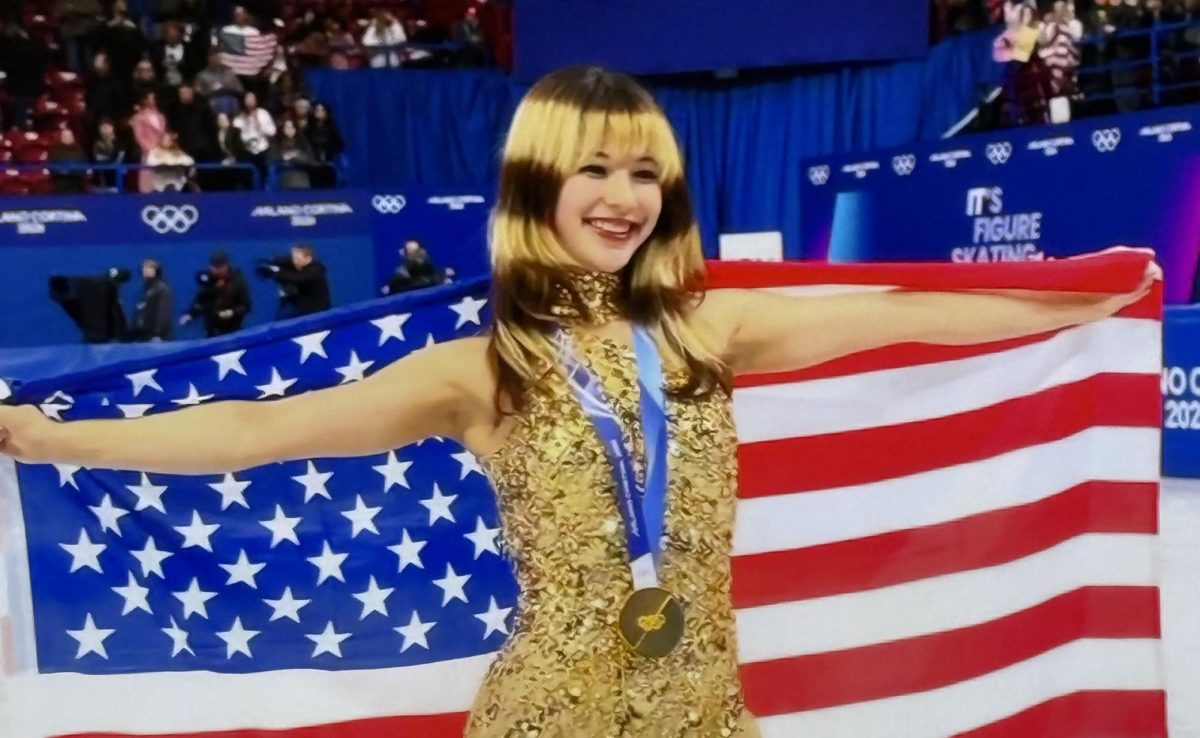
In a historic performance, Alysa Liu from Team USA secured a top spot in the free-skate, earning a score of 226.79. With this highly engaging performance, Liu captured an Olympic gold medal.
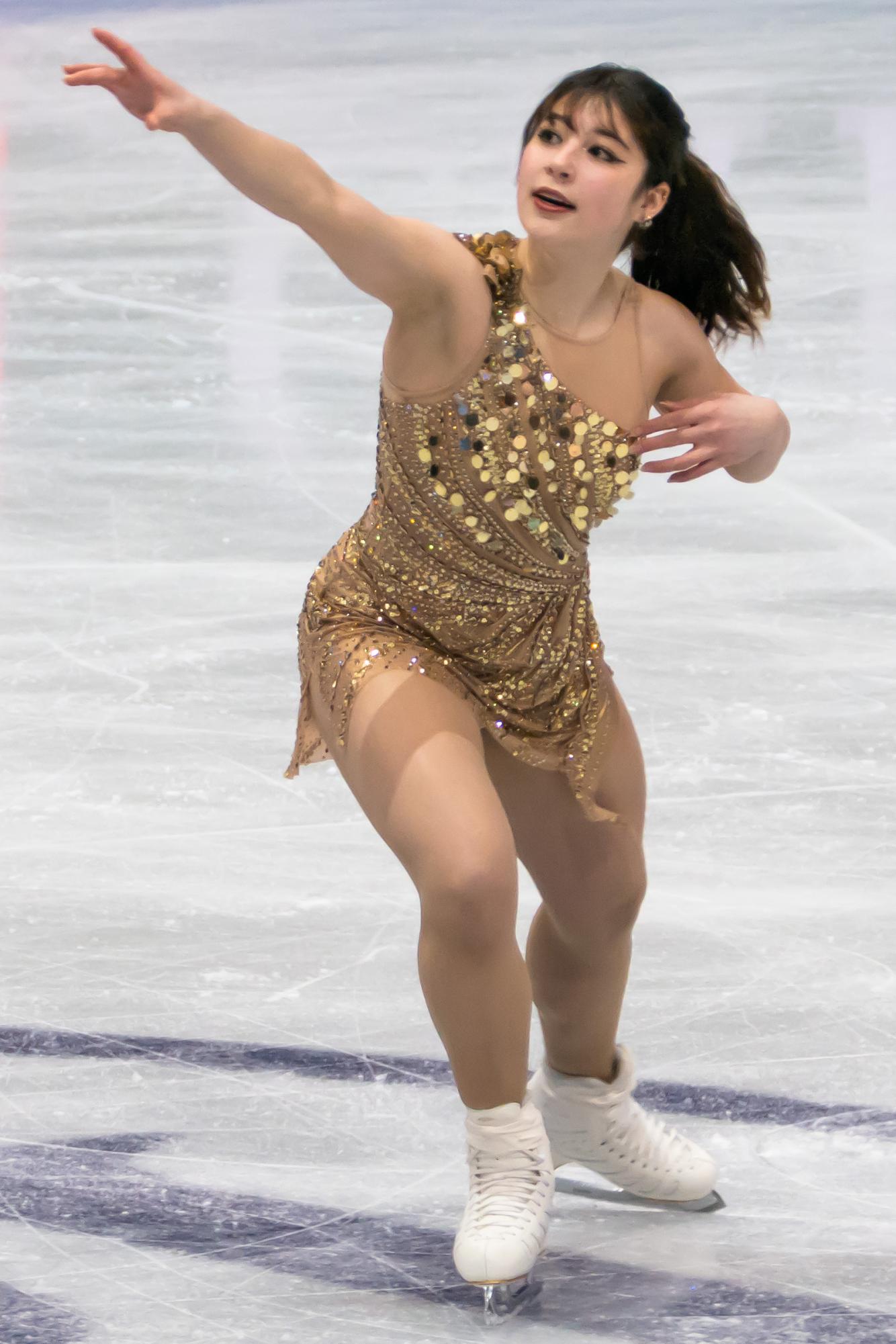
Liu landed seven clean triple jumps, combining technical precision with confident execution. This victory marked the first time in 24 years that an American woman won Olympic gold in singles figure skating, solidifying Liu’s performance as both a personal triumph and a milestone moment for the U.S. figure skating team.
In men’s singles Kazakhstan’s Mikhail Shaidorov made history; captured Olympic gold in the men’s competition with a personal best total score of 291.58 points, marking a major milestone for the country. His victory represented Kazakhstan’s first Olympic gold medal in men’s figure skating and highlighted the nation’s growing presence in the sport.
Despite the impressive performances, the competition also included emotional setbacks. Ilia Malinin, one of Team USA’s top skaters and widely known as the “Quad God” for his ability to land extremely advanced jumps like the quad Axel, delivered a shocking result. After entering the competition as a favorite, Malinin finished eighth overall with a total score of 264.49 points after making major mistakes during his free skate.
Malinin expressed he was not fully prepared for the immense pressure of competing on the Olympic stage. His unexpected placement highlighted how even the most accomplished athletes aren’t always perfect under the pressure of global expectations. His loss also allowed Shaidorov to secure the gold medal, marking a major shift in the competitive landscape.

In addition to historic victories and emotional performances, controversy emerged involving scoring decisions between France and the United States. Questions were raised about the fairness and consistency of judging, as fans and commentators debated whether performances were evaluated equally across competitors. Disputed scores led to increased interrogations of the judging system and sparked widespread discussion within the figure skating community.
The controversy highlighted ongoing concerns about subjectivity in figure skating scoring, where both technical execution and artistic performance are evaluated. While judges defended the scoring process, the debate added tension to the competition and drew further attention to the challenges athletes face both on and off the ice.
Overall, this year’s Olympic figure skating competition showcased both triumph and adversity. Historic victories, including Alysa Liu’s groundbreaking gold medal performance, highlighted the sport’s global growth and the rising dominance of a new generation of athletes.
At the same time, emotional setbacks, such as Ilia Malinin’s unexpected placement, revealed the immense pressure of competing on the Olympic stage. Despite controversy surrounding scoring decisions, the competition ultimately underscored the resilience, talent, and determination of talented skaters who continue to push the boundaries of the sport.