Organic, clean, fasting, and diet—words such as these make up the basis of the culture surrounding food and health. Whether it’s from advertisements or even a relative, almost everyone has heard something similar. What is this culture and why is it so controversial? Is this excess focus healthy or is it a necessity?
Food culture revolves around what people should ingest and what they shouldn’t. Food and health are intertwined, their cultures synonymous because of their cause-and-effect relationship. Of course, some advice does have a purpose—don’t eat rotting flesh or you’ll get a disease. Others, however, are questionable and lack supporting scientific evidence.
Trends are a drive to this culture. A new food product enters the mainstream and it goes wild for a time due to its supposed health benefits before dying down. This raises an important question: is it bad to recommend such products
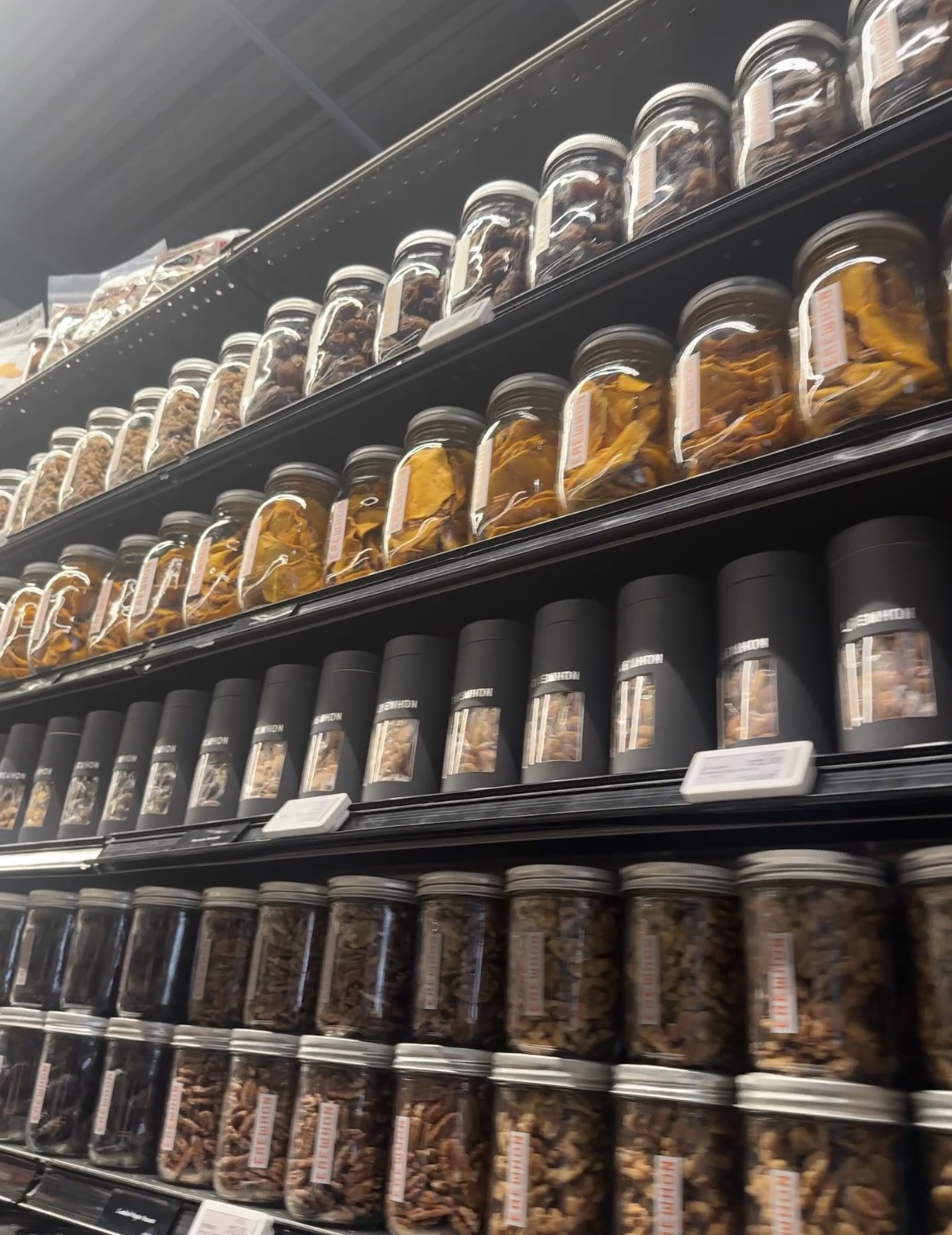
The answer is complicated. We cannot fully understand the effects of something we aren’t familiar with. Bee pollen, for example, went viral as a health supplement and held no outwardly dangerous effects. However, bee pollen is a bee product and a pollen, meaning it carries the allergy risks associated with those substances. According to the Cleveland Clinic, around 20 million Americans have varying allergies to pollen and is the most common environmental allergen.
I myself have asthma and a pollen allergy. My asthma is aggravated by my allergies and has negatively impacted my health before. When I first encountered bee pollen, I had no idea what it was or that it could agitate my asthma. Fortunately, I was already aware of my allergy, but others may not be.
Generalizations can’t quite be made about the safety of a product. It seems redundant and even extreme to argue that a food product shouldn’t be advertised because some individuals could have a reaction to it. Even so, it highlights that people can be unaware of potential reactions to a product.
Another recent example is raw milk. To a new consumer, raw milk seems unsuspecting—it’s simply milk taken straight from the cow. Often, it’s praised as having greater nutritional benefits than other dairy. However, according to the Center of Disease Control, raw milk holds a significant risk for harmful or deadly diseases. These risks aren’t guaranteed, of course, but strongly warned against by health experts.
Comparing bee pollen to raw milk may be a stretch, but it’s the underlying principle that’s the point. Both products carry risks that aren’t always obvious and many leaves many individuals participating in the culture in the dark.
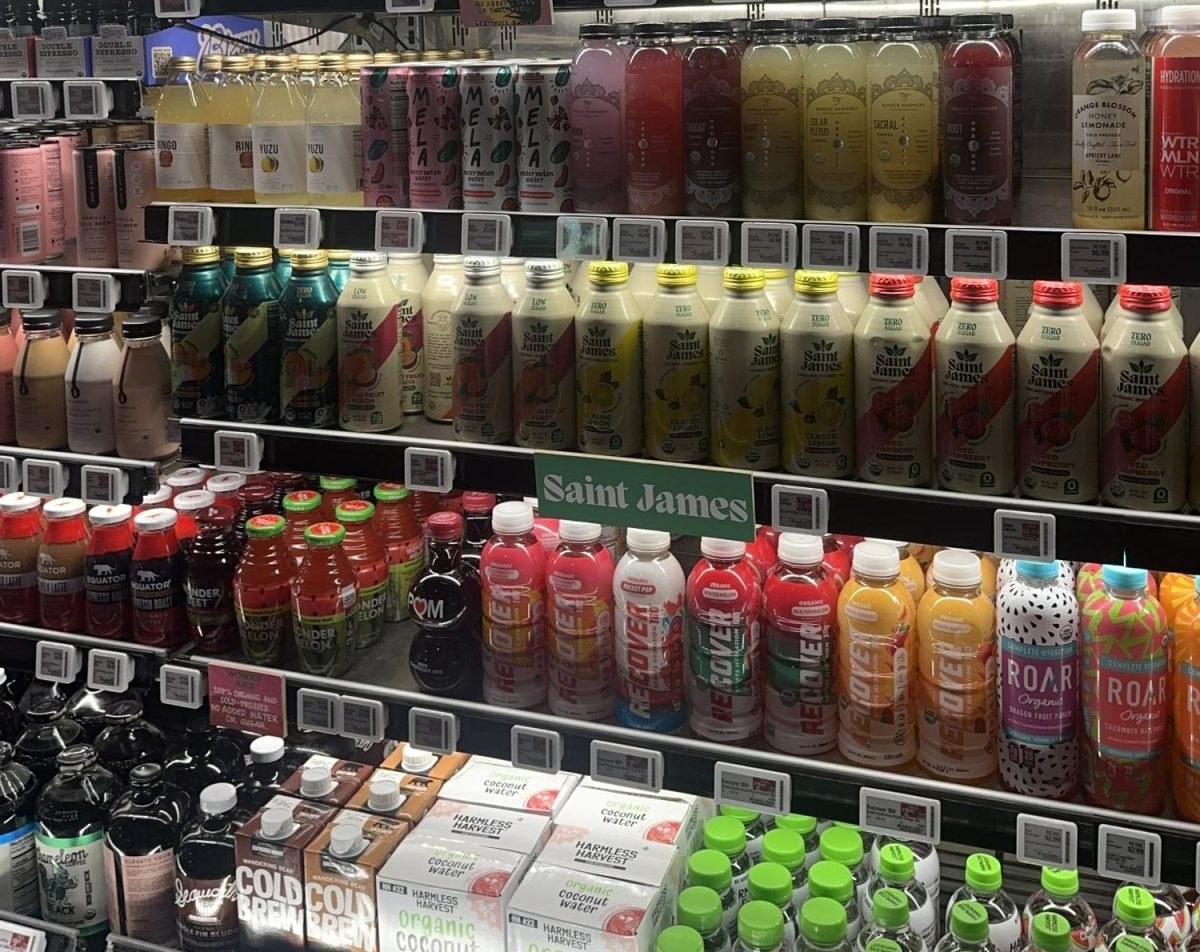
Beyond what we eat, how food is grown is also debated. The label “organic” is described as produce that hasn’t undergone genetic modification and avoids certain pesticides and antibiotics by the United States Department of Agriculture. While this appeals to many consumers as a more “natural” option, there’s no guarantee the food is significantly healthier and the nutritional differences are often minimal. Still, the perception of being healthier keeps the label highly desired.
Furthermore, this leads to another ongoing debate: which nutrient matters the most. Often, the discussion is fiber versus protein. Both are essential because the body cannot create them. Protein is required for maintaining, functioning, and building the body, while fiber is necessary for proper digestion and overall gut health.
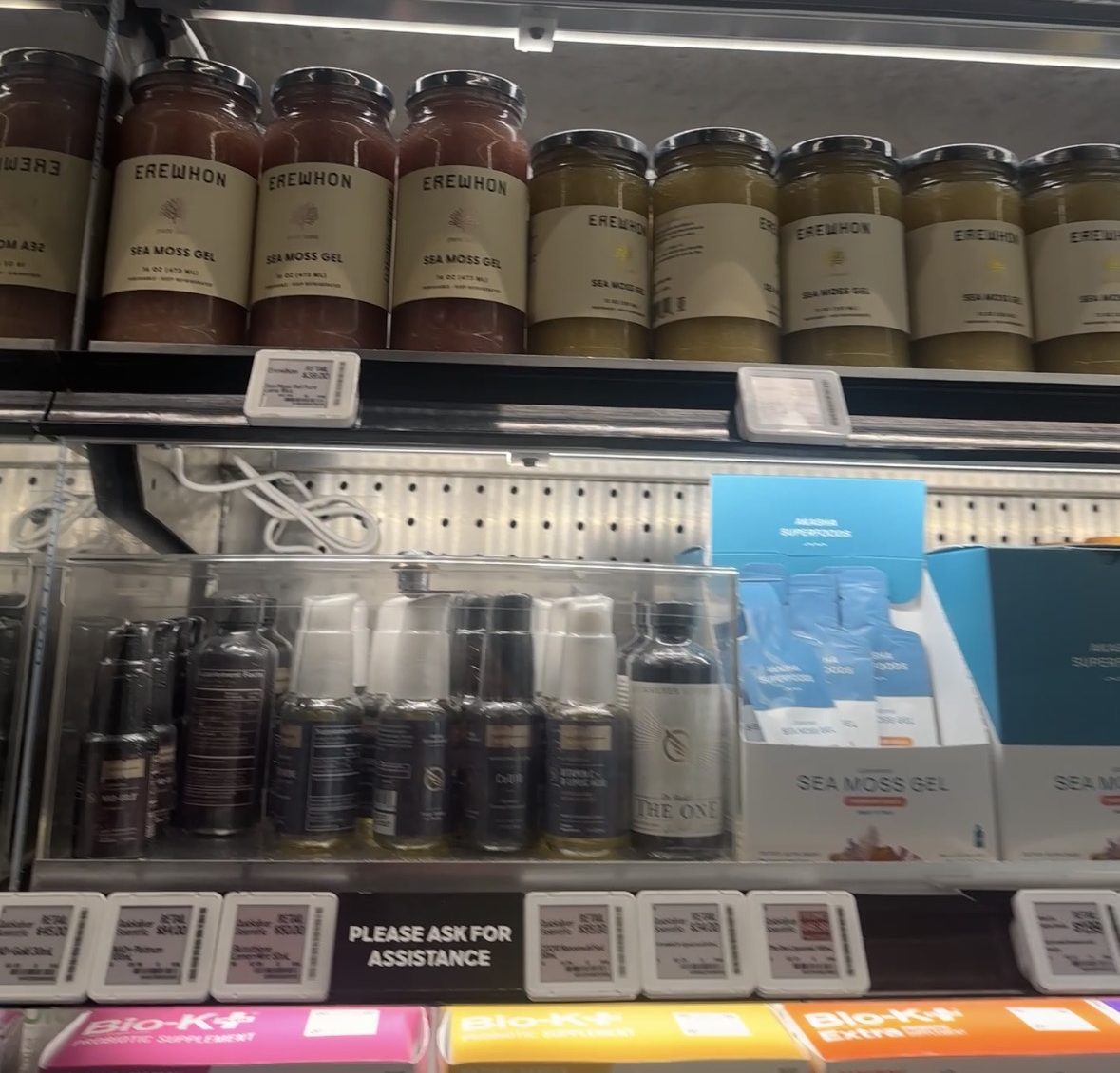
So, why do we care which is better? Protein and fiber’s importance varies with each individual. Athletes generally require more protein in their diets to support muscle growth, while those with digestive issues may prioritize fiber. The problem arises when this discussion stops being advice and turns into pressure.
This constant pressure on what’s “healthy” or “better,” perpetualized by the food and health culture, can lead to mental strain and anxiety. An intense fixation on what eating habits and food has a clear name: an eating disorder.
Usually, eating disorders are associated with extreme images—skeletal bodies, barfing, or overindulgence—but at their core are dangerous and persistent eating habits.
Should we care about what we eat? Many enter the food and health culture with the goal of better lives. In many cases, it’s reasonable. However, what matters is understanding your own body and needs—something that’s best guided by a medical professional
Doctors are trained to understand individual health. They run tests, evaluate conditions and provide informed advice. However, this doesn’t mean they can’t make mistakes—they are human—but they are one of the most reliable sources of guidance.
So, are you being duped? Not if you’re using it in combination with outside guidance. Ultimately, who cares about what you eat? If you’re relatively healthy then there’s no reason to change your habits. If a change is warranted then it should come from informed professional advice —not trends, advertisements, or random opinions.