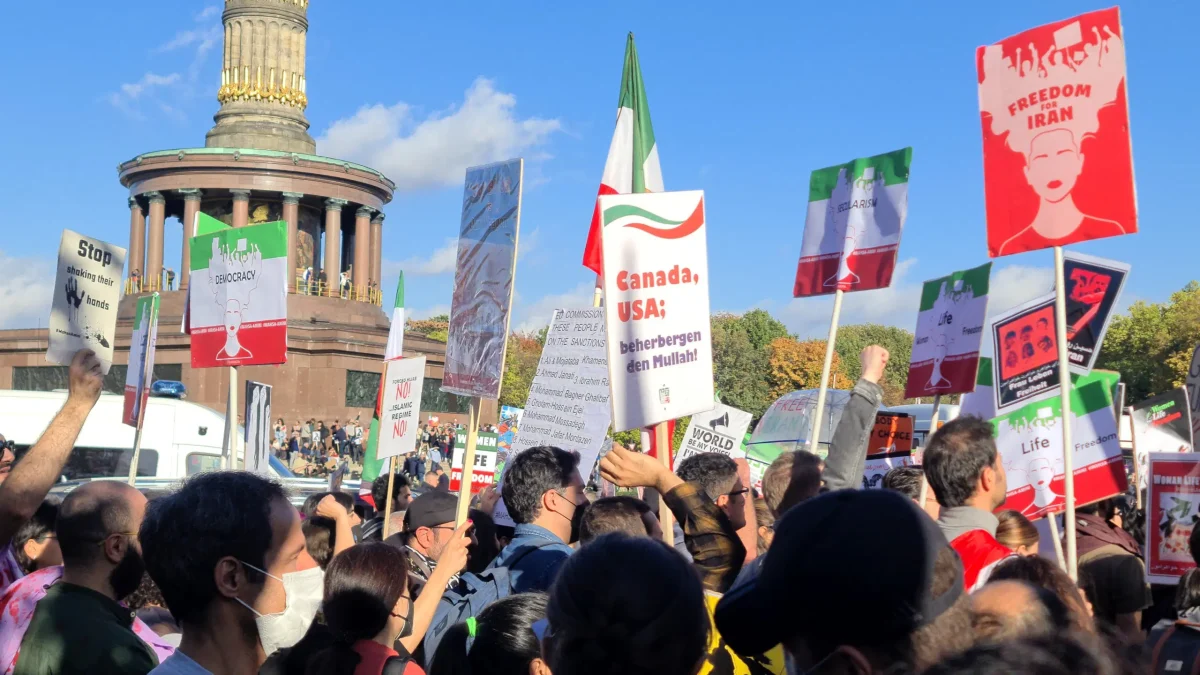
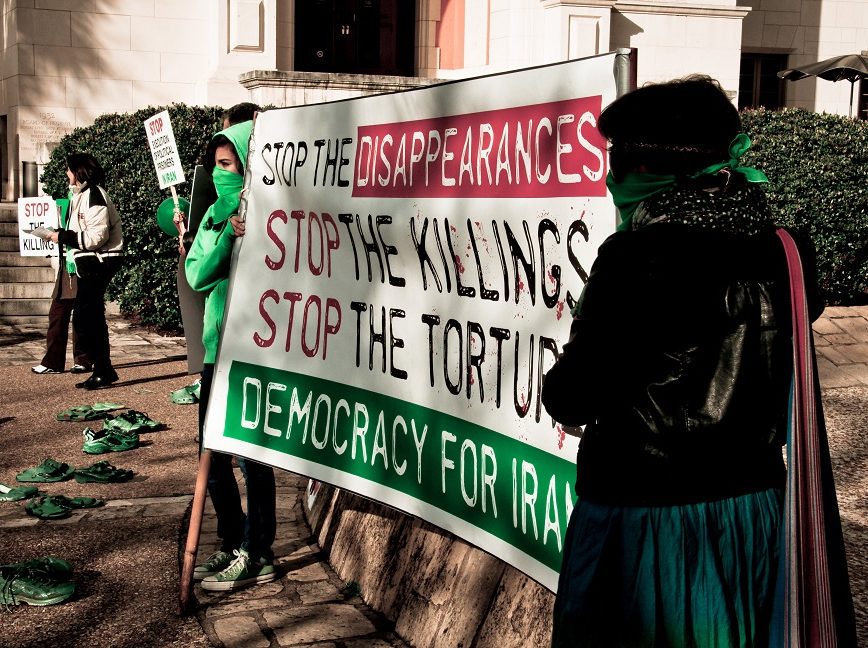
From the shuttering of Tehran’s bazaar on December 28 until mid-January 2026, Iran was rocked by protests against staggering inflation that has made the Rial into the least valuable currency on the planet. Vendors, business owners, workers, Israeli and American spies–all the sectors of Iranian society took to the streets, with some purpose or another.
On January 2, American President Donald Trump posted on his social media platform Truth Social that should the Iranian police respond with violence to protesters, the United States would be “locked and loaded and ready to go”.
On the morning of January 3, while that protest was moving from Tehran to the rest of the country, the United States invaded the Republic of Venezuela, killed upwards of eighty people, and abducted the president, Nicolas Maduro. Within 24 hours, Maduro’s Vice President Delcy Rodriguez was given approval by Trump to operate the country, and she was soon afterwards sworn in as the interim leader of Venezuela.
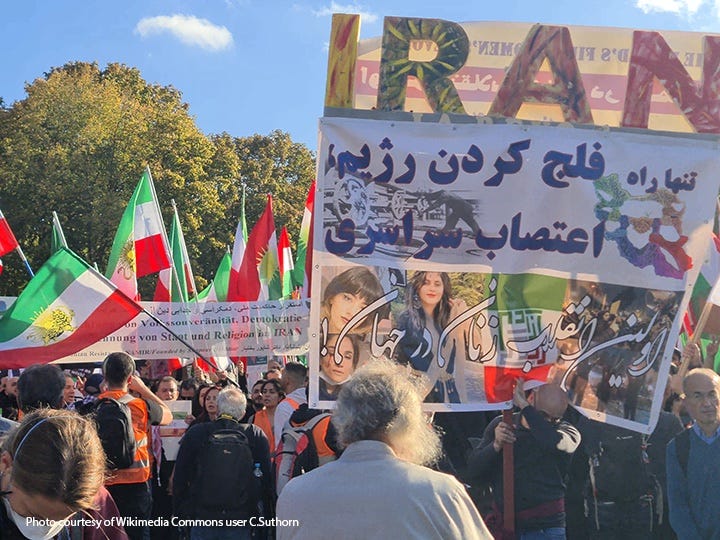
Since then, D.C. has made it clear that it desires further regime change. Two days after the Venezuela operation, Trump declared Cuba a “failing nation” that is “ready to fall,” at the same time warning Columbia’s president Gustavo Petro to “watch his ass.” Relevant here are the threats made against Iran, both during and in the aftermath of the wave of protests.
The final death toll of the protests in Iran will take time to reach, and it is made more difficult to find as a result of the internet blackout imposed on January 8 and still partially in effect today. The Iranian government’s official estimates reach above 3,000 killed, while other figures go substantially higher. Suffice to say that protests were definitely met with violence.
United States military presence in the Middle East skyrocketed in the following weeks, with aircraft carrier USS Lincoln and six destroyer warships, along with dozens of military aircrafts, arriving in the region in the latter half of January– a similar military buildup occurred before the invasion of Venezuela. Trump stated on January 28th that if Iran does not “make a deal” the U.S. response “will be far worse” than previous strikes that took place in June 2025.
The “deal” in question involves a shutdown of the Iranian nuclear program, “the range of their [Iran’s] ballistic missiles,” and abandonment of support for organizations like Ansar Allah in Yemen and Hezbollah in Lebanon. Currently, Iranian missile range extends into Eastern Europe, although they have never seen deployment at further distance than Syria.
The reach of Iranian missiles has served as a major deterrent in the past: attacks on Tel Aviv played a role in negotiating the end of the recent Iran-Israel war. The removal of this recourse would make the nation unable to respond to attacks from American bases in the region, or Israel; in other words, an unacceptable risk for the Iranian government.
The loss of life that could result from an American attack on Iran would dwarf the death toll in Venezuela; Iran has the capacity to fire back, meaning an instant surrender is impossible. It could far surpass the violence with which protesters in Iran were met, not to mention make the country’s economic crisis even worse.
And what is this for? The very same thing that motivated the invasion of Venezuela. Not just oil, but power, in this case over the last major Middle Eastern empire in opposition to American dominance. And the Iranian people, just like the Venezuelan, will be left behind.
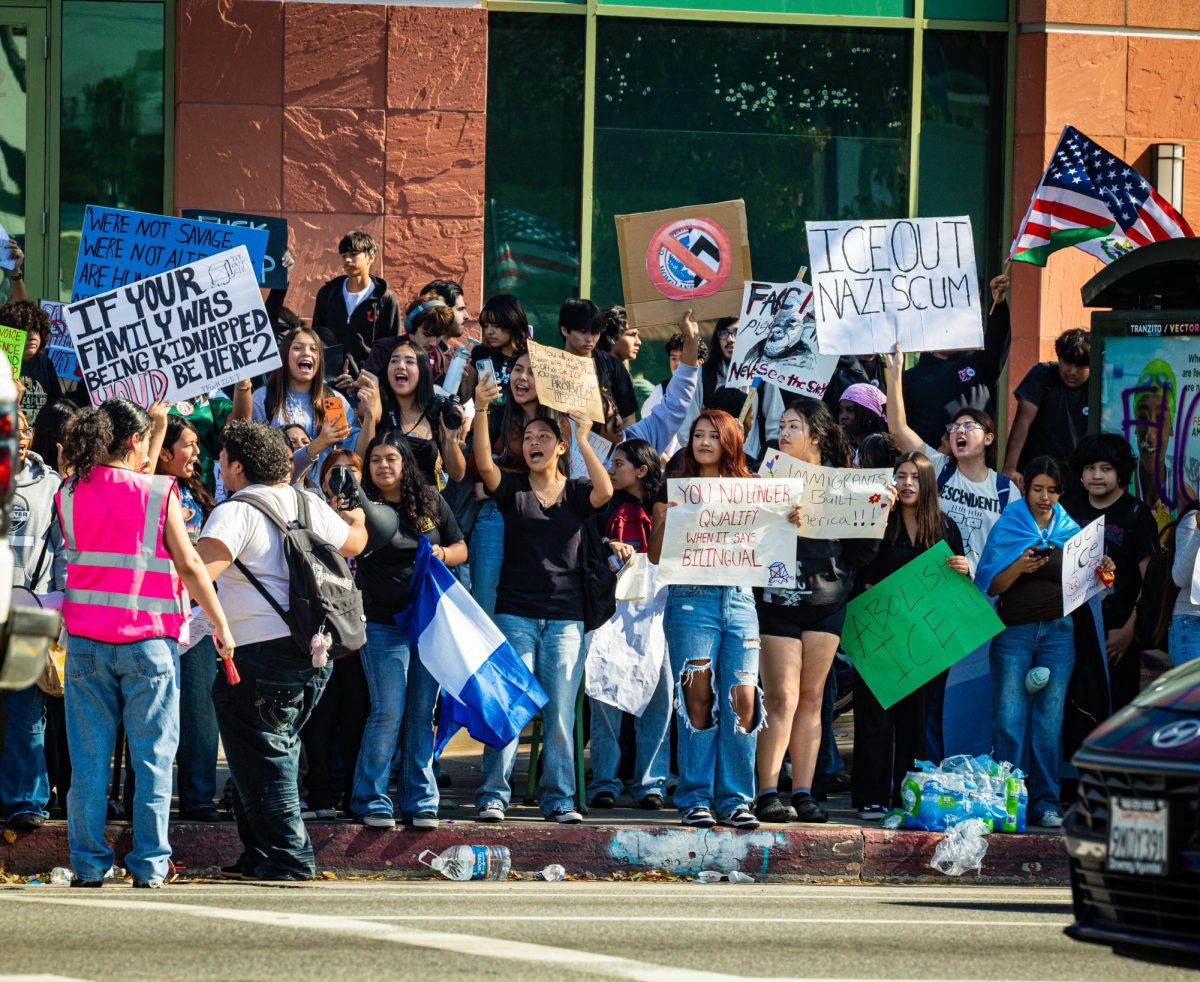
Iranians did not need encouragement to protest their living conditions; for them, it was a matter of survival. But now, with Iran at the brink of calamity, there is a protest that must ring out here, in the United States.
Iran must not be the next Venezuela. More lives must not be taken in the name of subjugation and empire. So I ask for you to not look away, and do what Iranians did: protest.