Starting in late 2025 and continuing into early 2026, immigration enforcement has become a widely discussed focus of national debate. Federal officials have begun expanding deportation initiatives and increasing internal enforcement measures across the United States.
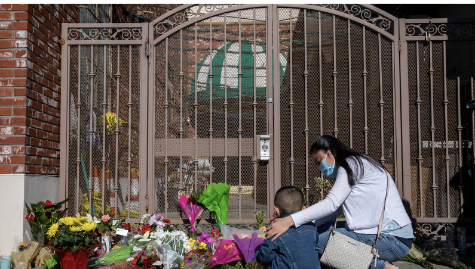
On Jan. 7, 2026, in Minneapolis, Minn., U.S. Citizen Renee Nicole Good was shot and killed. She was 37 and a mother of three.
A large public debate surrounding the circumstances of the shooting would unfold following the incident.
Two days later, in Santa Ana, Calif., Kaden Rummler, a 21-year-old college student, was struck by a “less-than-lethal” round at point-blank range.
Rummler underwent a six-hour surgery to remove the embedded munition and was left permanently blind in his left eye. For many observers, the incidents have come to reflect what they describe as an unsettling pattern tied to renewed federal immigration enforcement efforts by Washington to deliver on President Donald Trump’s staunch promises to deport millions of undocumented immigrants from the United States.
During a 2016 speech in Phoenix, then-candidate Trump said, “Anyone who illegally crosses will be detained until they are removed and go back to country from which they came. And they will be brought great distances, we are not dropping them right across.”
In December 2025, the Trump administration would launch “Operation Metro Surge,” a large-scale and ongoing operation with the purported goal of apprehending “illegal immigrants.” Spearheaded by U.S. Secretary of Homeland Security Kristi Noem, the surge has since drawn criticism from civil liberty advocates for what they describe as escalation and provocation from enforcement tactics.
Ten days after the Santa Ana incident, on Jan. 18, another incident unfolded in St. Paul, Minn. approximately ten miles from Minneapolis. Naturalized U.S. citizen ChongLy “Scott” Thao was detained following an armed forcible entry into his home. He was taken into custody in view of his family, including his 4-year-old grandson, and was not allowed to dress for the cold weather conditions at the time.
Thao later stated he was driven to a remote location, identified, and returned home approximately two hours later.
These incidents have drawn national attention and sparked conversations about enforcement practices and their intersection with civil liberties. While the Department of Homeland Security has defended recent operations as necessary for border security, reactions among communities have varied widely.
At North Hollywood High School, ideals seemed to unite amongst staff and students. Most agree that recent incidents set an alarming precedent politically and socially. However, individual positions on how overreach should be understood or challenged varied in both logic and outlook.
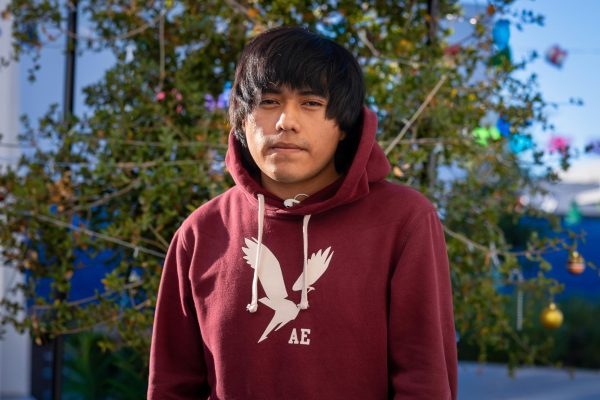
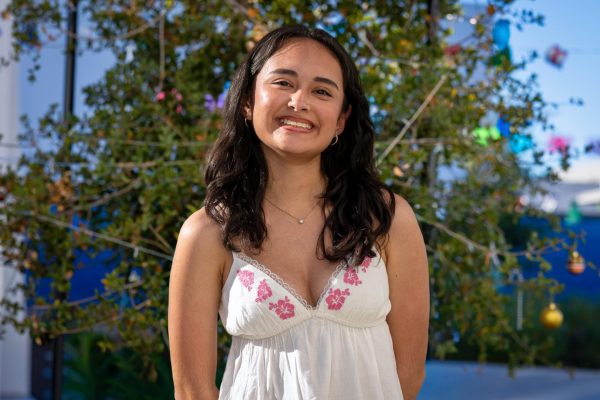
“It feels very dystopian, and it doesn’t feel right,” said Julian Oriaku, a NHA senior here at NHHS. “It doesn’t feel like the ‘American way,’ or the free way, as they say.”
“I don’t feel free whatsoever,” Oriaku added. He said that he believes federal enforcement policies disproportionately target marginalized communities. “Since people naturally have their own prejudices against certain things, especially with ICE agents specifically targeting Hispanic people, they [Hispanic people] would definitely feel a certain way against law enforcement compared to a Caucasian man.”
Mr. Wayne, an English teacher here at North Hollywood High School, expressed similar concerns in an email interview.
“I have BIPOC [Black, Indigenous, and People of Color] friends who don’t expect civility from law enforcement,” Wayne said. He also referenced his personal background and how recent events invoke historical fears. “I am Jewish, raised with stern warnings about the lessons of the Holocaust and what Hannah Arendt called ‘banality of evil.’ This is very relevant to my identity as an American.”
“After every one of these incidents, our immediate emotional response is based in anger, frustration, and fear,” said Mr. Manzo, an English teacher here at NHHS.
Mr. Manzo expanded this sentiment, describing having a feeling of “tragic optimism” when reflecting on recent events.
“I try to remind myself that I’m in an ideal position as an educator: I can teach my students how to analyze information. I can teach my students how to check for their own biases. I can teach my students how to practice empathy. I can teach my students how to engage with the realities of their lived experiences,” Manzo said.
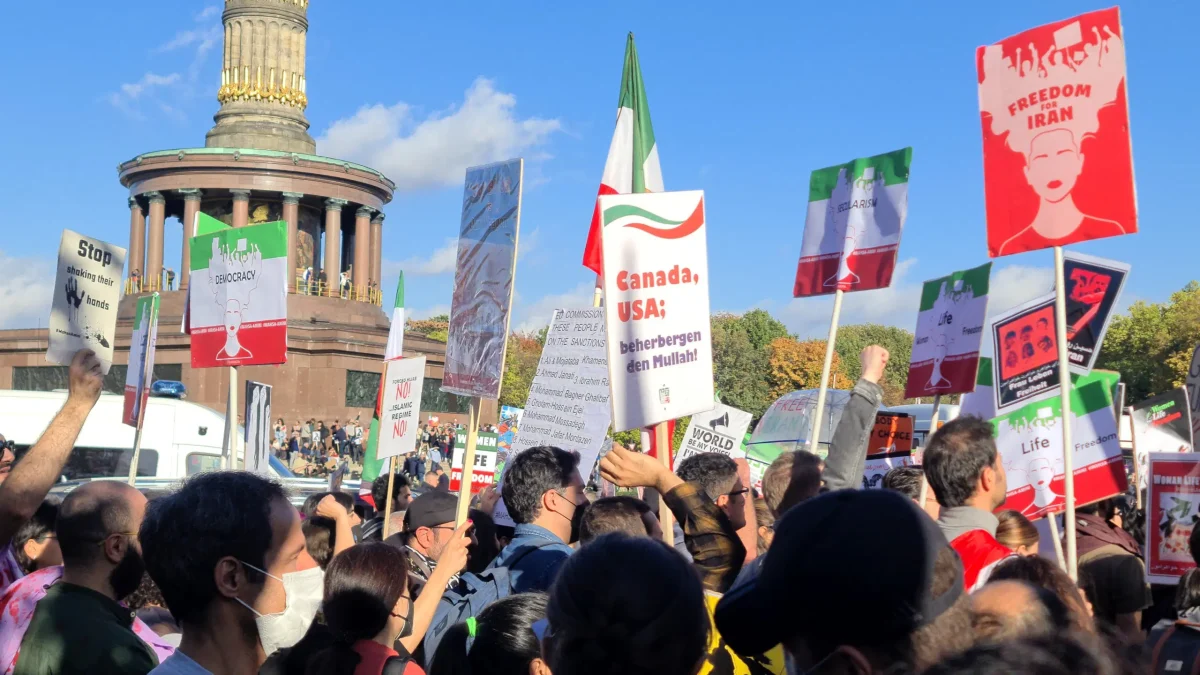
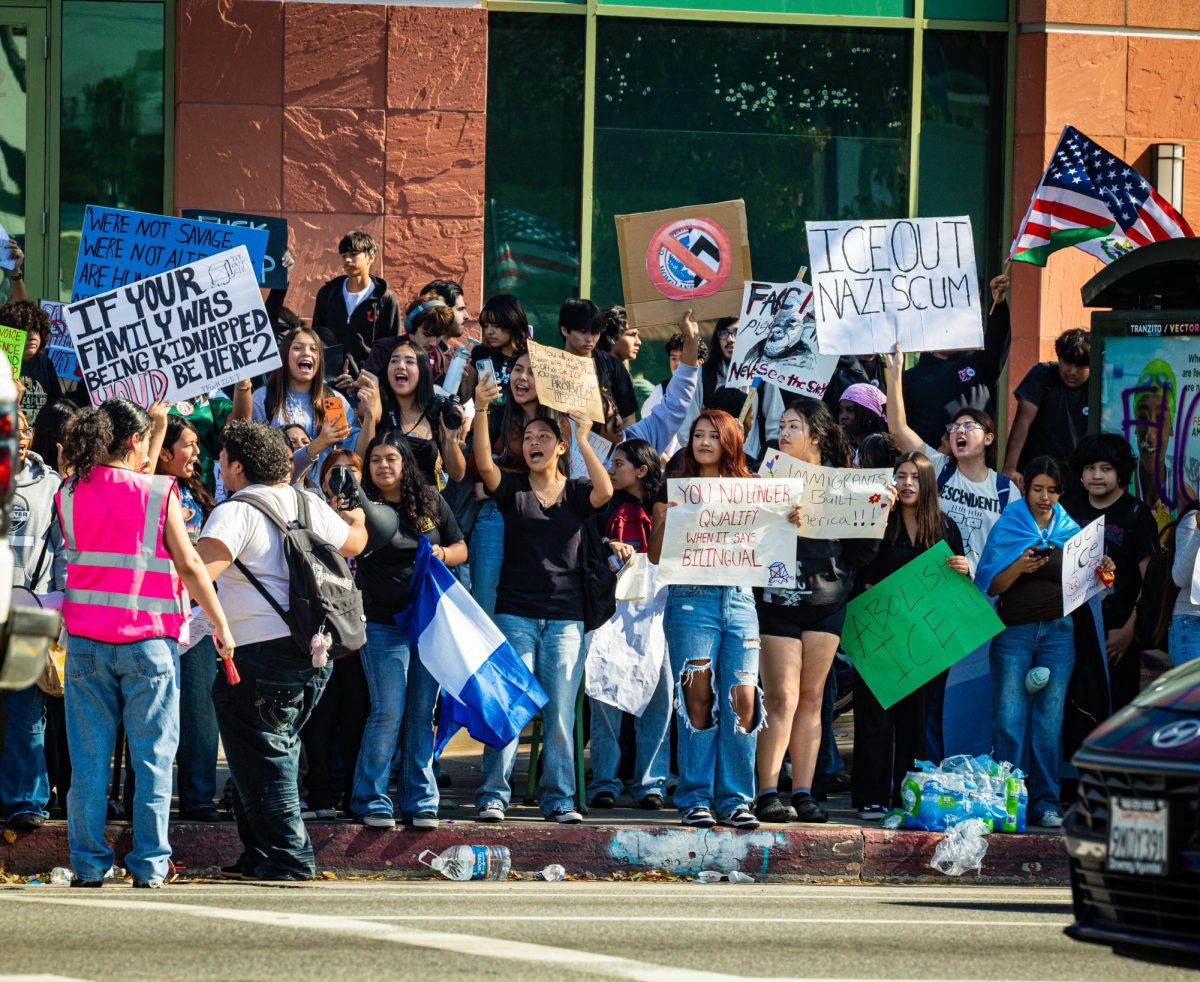
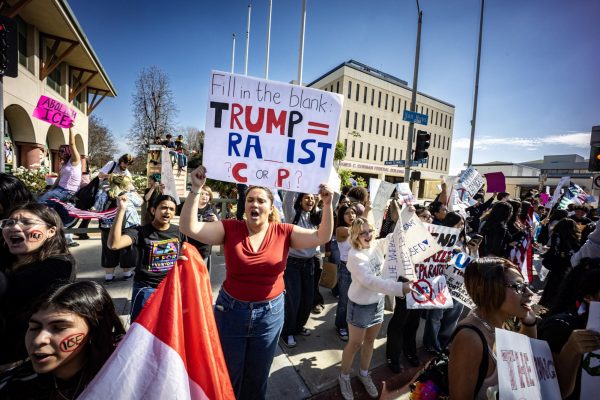
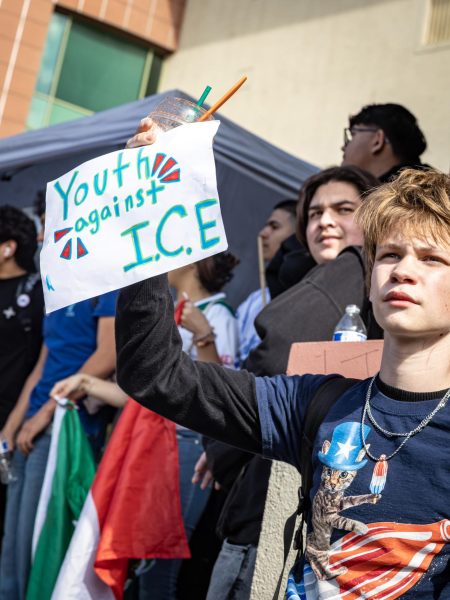
Recent demonstrations across several Los Angeles schools showcase how national debates influence local communities and foster civic engagement among the youth. For many, discussions around enforcement policies extend beyond politics and continue to highlight community awareness around civil liberties and public responsibility.